
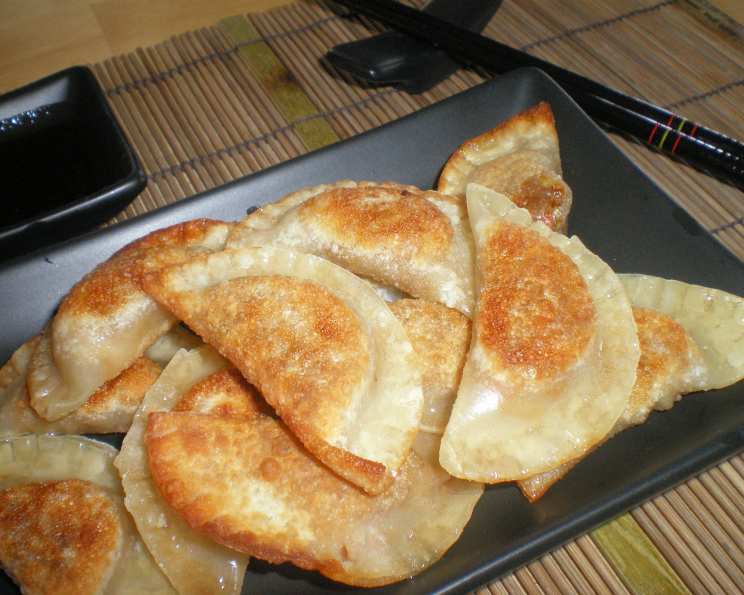
Veggie Pot Stickers: A Bite-Sized Culinary Adventure
The scent of ginger and garlic sizzling in a pan instantly transports me back to my tiny apartment kitchen in culinary school. Late nights were often spent experimenting with different fillings for pot stickers, fueled by ramen and the sheer determination to master the perfect crispy-bottomed dumpling. I remember one particularly disastrous attempt involving an overzealous amount of chili oil that left us all coughing and teary-eyed. But amidst the mishaps, there were moments of pure culinary joy, like discovering the harmonious blend of textures and flavors in a well-crafted veggie pot sticker – a culinary hug in every bite.
Recipe Overview
- Prep Time: 45 minutes
- Cook Time: Varies (see instructions)
- Total Time: Varies (see instructions)
- Yields: 24 potstickers
- Dietary Type: Vegetarian (easily vegan)
Ingredients
- 3 tablespoons vegetable oil
- 1 leek, cleaned and thinly sliced
- 2 garlic cloves, pressed (or minced)
- 1/2 cup mushrooms, finely chopped (shiitake or cremini work well)
- 1 head Napa cabbage, finely shredded
- 2 tablespoons rice wine vinegar
- 2 teaspoons soy sauce (tamari for gluten-free)
- 1-inch piece fresh ginger, peeled and grated
- 1 medium carrot, finely grated
- 24 wonton wrappers
Asian Dipping Sauce
- 1/4 cup soy sauce (tamari for gluten-free)
- 2 tablespoons rice wine vinegar
- 1/2-inch piece fresh ginger, peeled and finely grated
- 1 teaspoon brown sugar
- 1/2 teaspoon toasted sesame oil
- 1/2 lemon, zest of
Equipment Needed
- Large nonstick skillet
- Mixing bowl
- Small bowl
- Grater
- Measuring cups and spoons
Instructions
-
Prepare the Filling: Heat 2 tablespoons of vegetable oil in a large nonstick skillet over medium-high heat. Add the thinly sliced leek, pressed (or minced) garlic, and finely chopped mushrooms. Cook, stirring occasionally, until the leeks begin to soften, about 3-4 minutes. Be careful not to burn the garlic; lower the heat if necessary.
-
Add the Cabbage: Add the finely shredded Napa cabbage, rice wine vinegar, soy sauce, and grated ginger to the skillet. Cook, stirring frequently, until the cabbage is softened and slightly wilted, about 3-4 minutes more. This step helps to reduce the cabbage’s volume and concentrate its flavor.
-
Incorporate the Carrot: Remove the skillet from the heat and stir in the finely grated carrot. The residual heat will lightly cook the carrot, adding a touch of sweetness and vibrant color to the filling.
-
Cool the Filling: Transfer the cabbage mixture to a mixing bowl and gently work everything together until fully incorporated. Allow the filling to cool completely before proceeding to the next step. This is crucial; a warm filling will make the wonton wrappers soggy and difficult to work with. Keep refrigerated until ready to use if not using immediately.
-
Assemble the Pot Stickers: Lay a wonton wrapper on a clean work surface. Place about 1 tablespoon of the cooled filling in the center of the wrapper. Avoid overfilling, as this can make it difficult to seal the pot stickers properly.
-
Seal the Pot Stickers: Dip your finger in a little water and lightly wet the edges of the wonton wrapper. This is essential for creating a strong seal that prevents the filling from leaking out during cooking. Bring the outside edges of the wonton wrapper together over the filling and press firmly to form a half-moon shape. For a more decorative look, you can create pleats along one edge as you seal the pot sticker.
-
Repeat: Continue with the remaining wonton wrappers and filling until all the pot stickers are assembled. Arrange the finished pot stickers on a parchment-lined baking sheet to prevent them from sticking together while you work.
-
Cook the Pot Stickers: Heat the remaining 1 tablespoon of vegetable oil in a very large skillet (preferably nonstick) over medium heat. Place the pot stickers upright in the pan, ensuring they don’t overcrowd the skillet. You may need to cook them in batches.
-
Brown the Bottoms: Cook the pot stickers, without disturbing them, until the bottoms are nicely browned and crispy, about 1 to 2 minutes. Keep a close eye on them to prevent burning.
-
Steam the Pot Stickers: Carefully add 1/2 cup of water to the pan and immediately cover it with a tight-fitting lid. This creates steam that will cook the filling and soften the wrappers. Allow the pot stickers to steam for about 3 minutes.
-
Evaporate the Water: Remove the skillet lid and continue cooking until all the water has completely evaporated. This will allow the bottoms of the pot stickers to crisp up again. Listen for the sizzling sound to change, indicating that the water is gone.
-
Serve: Transfer the cooked pot stickers to a platter and serve immediately with the prepared dipping sauce.
-
Prepare the Dipping Sauce: In a small bowl, stir together all the dipping sauce ingredients: soy sauce, rice wine vinegar, grated ginger, brown sugar, toasted sesame oil, and lemon zest. Stir until the sugar is dissolved. Refrigerate until ready to serve to allow the flavors to meld. Yield: about 1/3 cup.
Expert Tips & Tricks
- Make-Ahead Prep: The filling can be made up to 2 days in advance and stored in the refrigerator. This is a great time-saver, especially when preparing for a party.
- Freezing Pot Stickers: Assemble the pot stickers and freeze them on a parchment-lined baking sheet until solid. Then, transfer them to a freezer-safe bag or container. Cook directly from frozen, adding a minute or two to the steaming time.
- Crispy Bottoms: For extra crispy bottoms, add a tablespoon of cornstarch to the water when steaming the pot stickers. The cornstarch will create a thin, crispy layer as the water evaporates.
- Variations: Experiment with different vegetables in the filling. Shredded cabbage, spinach, chives, or water chestnuts all work well.
- Sealing Issues: If your pot stickers are not sealing properly, try using a slightly thicker wonton wrapper or adding a small amount of cornstarch to the water you use to wet the edges.
Serving & Storage Suggestions
Serve the pot stickers hot, right out of the skillet, alongside the Asian dipping sauce. Garnish with sesame seeds, sliced scallions, or a sprinkle of chili flakes for added visual appeal and flavor.
Leftover pot stickers can be stored in an airtight container in the refrigerator for up to 3 days. Reheat them in a skillet over medium heat until heated through and crispy, or microwave them for a quicker option (although they may not be as crispy). They can also be frozen for longer storage; simply reheat them from frozen as described above.
Nutritional Information
| Nutrient | Amount per Serving | % Daily Value |
|---|---|---|
| Calories | 46 kcal | N/A |
| Calories from Fat | 17 g | 38% |
| Total Fat | 1.9 g | 2% |
| Saturated Fat | 0.3 g | 1% |
| Cholesterol | 0.7 mg | 0% |
| Sodium | 244 mg | 10% |
| Total Carbohydrate | 5.9 g | 1% |
| Dietary Fiber | 0.3 g | 1% |
| Sugars | 0.5 g | 2% |
| Protein | 1.3 g | 2% |
Note: Nutritional information is an estimate and may vary based on specific ingredients and cooking methods.
Variations & Substitutions
- Vegan Pot Stickers: Ensure the wonton wrappers are vegan (some contain egg). Use tamari instead of soy sauce.
- Gluten-Free Pot Stickers: Use gluten-free wonton wrappers (difficult to find, but rice paper wrappers can be used with practice). Use tamari instead of soy sauce.
- Spicy Pot Stickers: Add a pinch of red pepper flakes or a drizzle of chili oil to the filling for a kick.
- Different Dipping Sauce: Experiment with other dipping sauces, such as a peanut sauce, a sweet chili sauce, or a ginger-scallion sauce.
FAQs (Frequently Asked Questions)
Q: Can I use frozen vegetables in the filling?
A: While fresh vegetables are preferred for their texture and flavor, you can use frozen vegetables in a pinch. Be sure to thaw them completely and squeeze out any excess moisture before adding them to the skillet.
Q: My pot stickers keep sticking to the pan. What am I doing wrong?
A: Make sure you’re using a nonstick skillet and that it’s properly heated before adding the oil. Also, don’t overcrowd the pan; cook the pot stickers in batches if necessary.
Q: How can I tell when the pot stickers are cooked through?
A: The bottoms should be nicely browned and crispy, and the filling should be heated through. The wrappers should also be slightly translucent.
Q: Can I bake these instead of pan-frying them?
A: While pan-frying is the traditional method, you can bake them at 375°F (190°C) for about 15-20 minutes, or until golden brown. However, they won’t be as crispy as pan-fried pot stickers.
Q: The edges of my wonton wrappers are cracking. How can I prevent this?
A: This usually happens when the wrappers are too dry. Keep the stack of wrappers covered with a damp cloth while you’re working to prevent them from drying out.
Final Thoughts
These veggie pot stickers are a delightful and versatile dish that’s perfect for appetizers, snacks, or even a light meal. Don’t be intimidated by the process – with a little practice, you’ll be churning out batches of these delicious dumplings in no time. Feel free to experiment with different fillings and dipping sauces to create your own signature pot sticker recipe. And most importantly, have fun in the kitchen! Share your creations and any variations you come up with – I’d love to hear about your culinary adventures.