
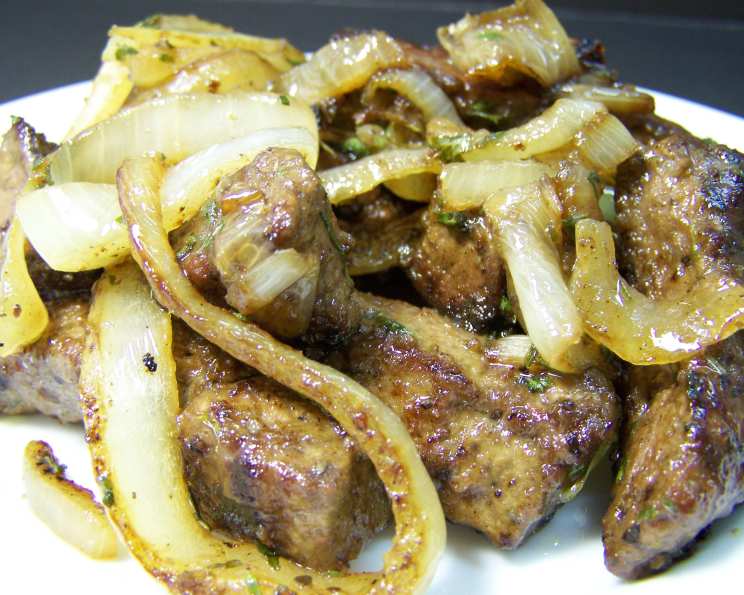
Venetian Calf Liver and Onions: A Taste of Tradition
The scent of sautéed onions, sweet and pungent, always transports me back to my grandmother’s kitchen. It wasn’t her signature dish, but every so often, she’d prepare calf liver this way – “Venetian style,” she called it, though whether that was geographically accurate or just a fancy term, I never knew. I remember being hesitant as a child, unsure about liver, but the caramelized onions, fragrant with thyme and sage, always drew me in. One bite, and the slightly earthy taste of the liver, balanced by the sweetness of the onions, became a surprisingly comforting flavor. It’s a dish that speaks of simple ingredients, careful cooking, and a love passed down through generations.
Recipe Overview
- Prep Time: 15 minutes
- Cook Time: 25 minutes
- Total Time: 40 minutes
- Servings: 2
- Dietary Type: N/A
Ingredients
- 4 tablespoons olive oil
- 1 1/2 white onions, sliced
- 1 teaspoon dried thyme, crumbled
- 1 teaspoon rubbed sage or 1 teaspoon ground sage
- 1 garlic clove, flattened
- 2 tablespoons all-purpose flour
- Salt and pepper
- 12 ounces calf liver, 1/4 to 1/2 inch thick, cut into strips
- 1 tablespoon butter
- 1 1/2 tablespoons minced fresh Italian parsley
Equipment Needed
- Heavy large skillet
- Bowl
Instructions
-
Heat 3 tablespoons of olive oil in a heavy large skillet over medium heat. Be patient here; allowing the oil to heat properly before adding the onions will ensure they caramelize beautifully.
-
Add the sliced onions, 1/2 teaspoon of dried thyme, and 1/2 teaspoon of rubbed sage (or ground sage, if using) to the skillet. Sauté until the onions are tender and deeply browned, approximately 20 minutes. Stir frequently to prevent burning and ensure even cooking. The goal is a rich, sweet caramelization.
-
Transfer the sautéed onions to a bowl and set aside.
-
Add the remaining 1 tablespoon of olive oil to the skillet.
-
Add the flattened garlic clove to the skillet and cook until it is golden brown and fragrant, about 2 minutes. The garlic infuses the oil with its aroma.
-
Carefully discard the garlic clove. You want the flavor, not the potentially bitter, burnt garlic itself.
-
In a separate bowl, combine the all-purpose flour, the remaining 1/2 teaspoon of dried thyme, and the remaining 1/2 teaspoon of rubbed sage (or ground sage). Season generously with salt and pepper. This seasoned flour will create a light crust on the liver.
-
Pat the calf liver strips dry with paper towels. This step is crucial for achieving a good sear. Excess moisture will steam the liver instead of browning it.
-
Add the dried calf liver strips to the bowl with the flour mixture and toss to coat them evenly. Make sure each piece is lightly dusted.
-
Add the butter to the garlic-infused olive oil in the skillet and melt it over medium-high heat. The combination of oil and butter provides both flavor and prevents the butter from burning.
-
Add the flour-coated calf liver to the skillet and stir until it begins to brown on the outside but is still pink inside, about 3 minutes. Don’t overcrowd the pan; work in batches if necessary to ensure proper browning. Overcooking the liver will make it tough.
-
Add the reserved sautéed onions to the skillet with the liver and sauté until the liver is just cooked through, about 5 minutes. This allows the flavors to meld together beautifully.
-
Stir in the minced fresh Italian parsley. This adds a touch of freshness and color to the dish.
Expert Tips & Tricks
- Soak the liver in milk: For a milder flavor, soak the calf liver in milk for about 30 minutes before cooking. This helps to draw out any bitterness. Be sure to pat it completely dry afterwards.
- Don’t overcook the liver: This is the cardinal rule. Overcooked liver is tough and unappetizing. Cook it just until it’s slightly pink inside for the best texture.
- Deglaze the pan: After removing the onions, consider deglazing the pan with a splash of dry Marsala wine or balsamic vinegar. This will add depth of flavor to the sauce. Just scrape up any browned bits from the bottom of the pan before adding the liver.
- Use a heavy skillet: A heavy-bottomed skillet, like cast iron, will distribute heat more evenly and prevent hot spots, ensuring the onions and liver cook properly.
- Prep ahead: The onions can be sautéed ahead of time and reheated when ready to cook the liver. This saves time on busy weeknights.
Serving & Storage Suggestions
Serve the Venetian Calf Liver and Onions immediately while it’s hot. It pairs beautifully with creamy mashed potatoes, polenta, or crusty bread to soak up the flavorful sauce. A simple green salad with a light vinaigrette provides a refreshing contrast.
Leftovers can be stored in an airtight container in the refrigerator for up to 2 days. Reheat gently in a skillet over medium-low heat, adding a splash of broth or water if necessary to prevent drying out. While freezing is possible, the texture of the liver may be affected. I recommend enjoying it fresh for the best quality.
Nutritional Information
| Nutrient | Amount per Serving | % Daily Value |
|---|---|---|
| Calories | 623 kcal | 31% |
| Total Fat | 44.1g | 57% |
| Saturated Fat | 10.8g | 54% |
| Cholesterol | 598.6mg | 199% |
| Sodium | 184.3mg | 8% |
| Total Carbohydrate | 21.2g | 8% |
| Dietary Fiber | 2.0g | 7% |
| Sugars | 3.7g | N/A |
| Protein | 37.2g | 74% |
Note: Nutritional information is an estimate and may vary based on specific ingredients and cooking methods.
Variations & Substitutions
- Chicken Liver: If you’re not a fan of calf liver, you can substitute chicken liver. Keep in mind that chicken liver cooks faster, so reduce the cooking time accordingly.
- Gluten-Free: Use a gluten-free all-purpose flour blend for a gluten-free version of this dish.
- Different Herbs: Experiment with different herbs, such as rosemary or marjoram, in addition to or instead of thyme and sage.
- Wine Reduction: After cooking the onions, deglaze the pan with a dry red wine for a richer sauce. Allow the wine to reduce by half before adding the liver.
- Balsamic Glaze: Drizzle with balsamic glaze before serving for added sweetness and tang.
FAQs (Frequently Asked Questions)
Q: Can I make this ahead of time?
A: While it’s best served fresh, you can sauté the onions in advance and store them in the refrigerator for up to 2 days. Reheat them before adding the liver.
Q: How do I prevent the liver from becoming tough?
A: The key is to not overcook it. Cook the liver just until it’s slightly pink inside. Overcooking will make it dry and tough.
Q: Can I use a different type of onion?
A: Yes, yellow onions or even sweet onions can be used, but white onions are traditionally used in this dish.
Q: What’s the best way to clean calf liver?
A: Simply rinse the liver under cold water and pat it dry with paper towels. Remove any tough membranes or veins.
Q: What if I don’t have fresh parsley?
A: You can use dried parsley, but fresh parsley provides a brighter flavor. Use about 1 teaspoon of dried parsley in place of the fresh.
Final Thoughts
Venetian Calf Liver and Onions is a testament to the power of simple ingredients, expertly prepared. It’s a dish that may challenge some, but for those willing to embrace its unique flavor profile, it offers a taste of tradition and a culinary experience that’s both comforting and satisfying. I encourage you to give it a try, and don’t be afraid to experiment with the herbs and seasonings to make it your own. Pair it with a robust Italian red wine for a truly authentic experience. I’d love to hear about your experience and any variations you try! Buon appetito!