
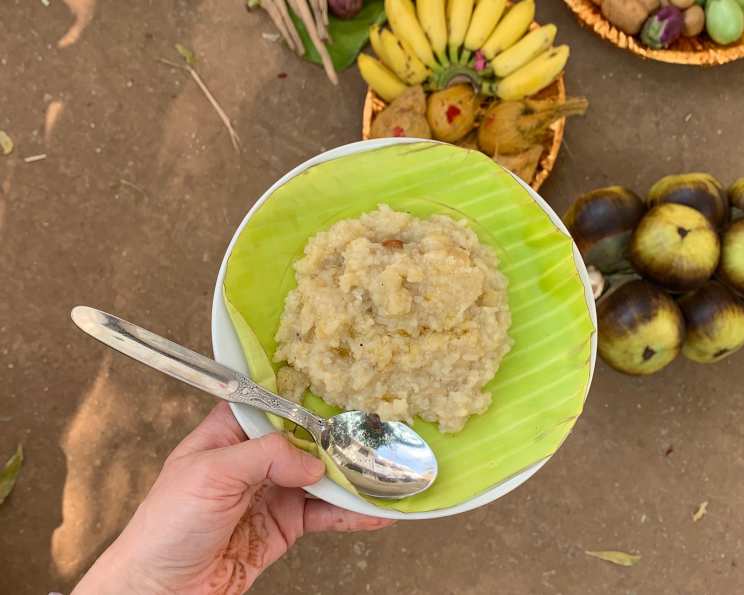
Venn Pongal: A South Indian Harvest Celebration
The first time I tasted Venn Pongal, I was in Chennai, India, completely overwhelmed by the vibrant sensory explosion of the city. The aroma, however, cut through the chaos – a savory, peppery scent wafting from a tiny street-side stall. I remember the vendor, a kind-faced woman with eyes that crinkled when she smiled, handing me a steaming bowl. The creamy texture, the comforting warmth, and the subtle spice were a revelation. It wasn’t just food; it was a hug in a bowl, a taste of home and tradition, and a beautiful testament to the harvest season it celebrated.
Recipe Overview
- Prep Time: 10 minutes
- Cook Time: 35 minutes
- Total Time: 45 minutes
- Servings: 4
- Dietary Type: Vegetarian, Gluten-Free (naturally)
Ingredients
- 1 cup uncooked rice
- ½ cup green gram dal (aka moong dal)
- 1 ½ teaspoons cumin seeds
- 1 ½ teaspoons black peppercorns
- 12 cashews, quartered
- ½ inch fresh ginger, minced
- 1 teaspoon salt
- ¼ cup butter (aka clarified butter) or ¼ cup ghee (aka clarified butter)
- 4-5 curry leaves (optional)
Equipment Needed
- Large pot or Dutch oven
- Small pan
- Mortar and pestle or spice grinder (optional)
Instructions
-
Begin by lightly dry frying the green gram dal in a large pot over medium heat. This enhances its nutty flavor. Stir constantly for about 3-5 minutes until fragrant, being careful not to burn it. Remove from the pot and set aside.
-
In the same pot, combine the lightly toasted dal, rice, salt, and 3 cups of water. Bring the mixture to a boil over medium-high heat, stirring frequently to prevent sticking.
-
Once boiling, reduce the heat to low, cover the pot tightly, and cook for approximately 20 minutes, or until the rice is very soft and most of the water has been absorbed. Stir often during this time, ensuring that the pongal doesn’t stick to the bottom of the pot. The mixture should have a porridge-like consistency. If it appears too dry, add a little more hot water, a quarter cup at a time.
-
While the rice and dal are cooking, prepare the spice mixture. Using a mortar and pestle or a spice grinder, coarsely powder the cumin seeds and black peppercorns. A slightly coarse texture is preferable for this dish. If you don’t have either, you can lightly crush the spices with the bottom of a heavy pan.
-
In a separate small pan, heat the ghee or butter over medium heat. Once melted and hot, carefully add the quartered cashews and fry them until they turn a light golden brown. Be careful not to burn them, as they can become bitter quickly.
-
Add the spice powder (cumin and black pepper) to the pan with the cashews and scald it briefly for about 30 seconds, stirring constantly. This will release the aromatic oils of the spices and infuse the ghee/butter with their flavor.
-
Next, add the minced ginger to the pan and scald it for another 30 seconds, stirring continuously. The ginger should become fragrant but not burnt.
-
Pour the entire contents of the pan (ghee/butter, cashews, spices, and ginger) into the pot with the cooked rice and dal.
-
Stir everything together thoroughly to combine, ensuring that the spices and cashews are evenly distributed throughout the pongal.
-
If using, add the curry leaves at this stage and stir them into the mixture. The curry leaves will add a lovely aromatic note to the pongal.
-
Simmer the Venn Pongal on low heat for another 5-10 minutes, stirring occasionally, to allow the flavors to meld together. Taste and adjust the salt if needed.
-
The Venn Pongal is ready when it has a creamy, porridge-like consistency, and all the flavors are well-integrated.
Expert Tips & Tricks
- For an extra rich flavor, use homemade ghee. The process, though simple, elevates the taste significantly.
- If you prefer a smoother texture, you can use an immersion blender to partially blend the pongal after cooking. Be careful not to over-blend it, as you want to retain some texture.
- For a spicier version, increase the amount of black peppercorns.
- To save time, soak the rice and dal for 30 minutes before cooking. This will reduce the cooking time and result in a creamier texture.
- If you don’t have fresh ginger, you can use ginger powder, but the flavor will be slightly different. Use about 1/2 teaspoon of ginger powder.
- Keep a close eye on the pongal while it’s cooking, especially during the last 10 minutes, as it can easily stick to the bottom of the pot. Stir frequently and add a little hot water if needed.
Serving & Storage Suggestions
Venn Pongal is best served hot, directly from the pot. It can be served on its own or with a dollop of yogurt or a side of coconut chutney. The creamy, savory flavor pairs well with the coolness of yogurt or the slightly sweet and tangy taste of coconut chutney.
Leftover Venn Pongal can be stored in an airtight container in the refrigerator for up to 2-3 days. To reheat, add a splash of water or milk and microwave or heat gently on the stovetop, stirring occasionally. The texture may change slightly upon reheating, but the flavor will remain delicious.
It is not recommended to freeze Venn Pongal as the texture of the rice and dal can become mushy upon thawing.
Nutritional Information
| Nutrient | Amount per Serving | % Daily Value |
|---|---|---|
| Calories | 320 kcal | 16% |
| Total Fat | 15g | 23% |
| Saturated Fat | 9g | 45% |
| Cholesterol | 25mg | 8% |
| Sodium | 550mg | 23% |
| Total Carbohydrate | 40g | 13% |
| Dietary Fiber | 2g | 8% |
| Sugars | 1g | 2% |
| Protein | 8g | 16% |
Note: Nutritional information is an estimate and may vary based on specific ingredients and preparation methods.
Variations & Substitutions
- Vegan: Substitute the butter or ghee with a plant-based oil like coconut oil or avocado oil.
- Spicier: Add a pinch of red chili powder or a few chopped green chilies along with the ginger.
- Vegetable Pongal: Add chopped vegetables like carrots, peas, or beans along with the rice and dal.
- Sweet Pongal (Sakkarai Pongal): For a sweet version, substitute the salt with sugar or jaggery and add cardamom powder for flavoring.
- Herbs: Experiment with other herbs like cilantro or mint, added at the end for a fresh twist.
FAQs (Frequently Asked Questions)
Q: Can I use brown rice instead of white rice?
A: Yes, you can use brown rice, but it will require a longer cooking time. Increase the cooking time by about 15-20 minutes and add more water if needed.
Q: Can I make this in a pressure cooker?
A: Yes, you can cook this in a pressure cooker. Add all the ingredients to the pressure cooker, close the lid, and cook for about 2-3 whistles on medium heat. Allow the pressure to release naturally before opening the lid.
Q: What if I don’t have moong dal?
A: While moong dal is traditional, you could try substituting with yellow split peas (toor dal), but the flavor will be different.
Q: Can I make this ahead of time?
A: Yes, you can make this a day ahead of time. Store it in the refrigerator and reheat it before serving. You may need to add a little water or milk to loosen the texture.
Q: How do I prevent the pongal from sticking to the bottom of the pot?
A: Stir the pongal frequently, especially during the last 10 minutes of cooking. Also, make sure the heat is set to low. If it still sticks, try using a heavy-bottomed pot or a Dutch oven.
Final Thoughts
Venn Pongal is more than just a dish; it’s a celebration of flavors, tradition, and the bounty of the harvest. It’s a dish that nourishes both body and soul, and I wholeheartedly encourage you to try making it in your own kitchen. Feel free to experiment with variations to suit your taste, and don’t be afraid to add your own personal touch. Share your creations with friends and family, and let the warmth and comfort of Venn Pongal bring joy to your table. And if you do try this recipe, I would love to hear about your experience! Let me know how it turned out and if you made any interesting modifications. Happy cooking!