
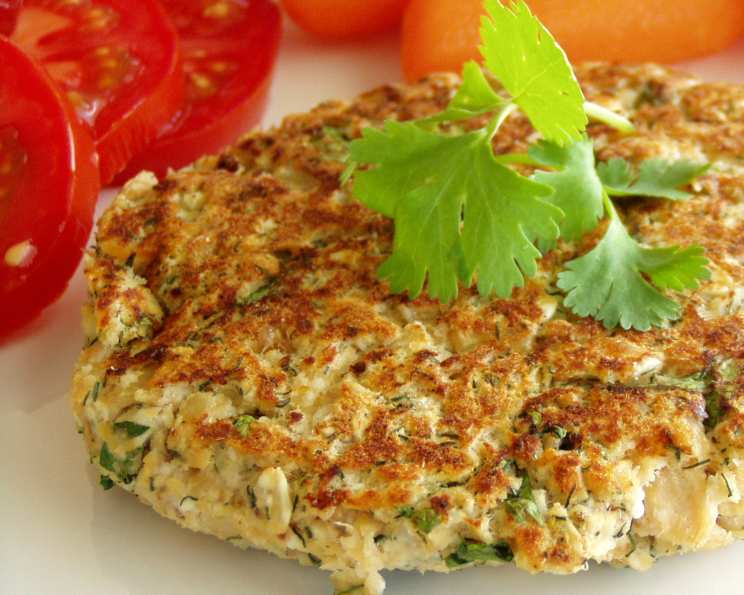
Very Healthy Salmon Cakes: A Chef’s Secret for Flavor and Wellness
The memory is etched in my mind: a small coastal town in the Pacific Northwest, the salty air thick with the scent of pine and the distant cry of gulls. My grandmother, a woman whose hands seemed to hold the secrets of the ocean, stood at her stove, humming a tuneless melody as she crafted salmon cakes. They weren’t fancy, but the taste – rich, savory, and undeniably healthy – was a revelation. More than just a meal, they were a taste of home, a connection to the sea, and a testament to the power of simple, wholesome ingredients. These salmon cakes are my homage to her, updated with a focus on maximizing both flavor and nutritional benefits.
Recipe Overview
- Prep Time: 10 minutes
- Cook Time: 10-15 minutes
- Total Time: 20-25 minutes
- Servings: 6
- Yield: 6 cakes
- Dietary Type: Healthy, High-Protein
Ingredients
- 2 (240 g) cans red salmon, drained
- ¼ cup oats
- ½ cup fat-free ricotta cheese
- 2 egg whites
- 2 tablespoons chopped fresh chives
- 2 tablespoons chopped fresh dill
- 2 tablespoons chopped fresh cilantro (coriander)
- Kosher salt, to taste
- Pepper, to taste
Equipment Needed
- Large mixing bowl
- Non-stick frying pan
- Spatula
Instructions
-
In a large mixing bowl, gently flake the drained red salmon with a fork. Be careful not to overwork it; you want to retain some texture.
-
Add the oats, fat-free ricotta cheese, egg whites, chopped fresh chives, chopped fresh dill, and chopped fresh cilantro (coriander) to the bowl.
-
Season the mixture generously with kosher salt and pepper. Remember that canned salmon can be salty, so taste as you go.
-
Thoroughly but gently mix all the ingredients together until just combined. Avoid overmixing, which can result in tough salmon cakes.
-
Assess the consistency of the mixture. If it appears too soft to hold its shape, add more oats, one tablespoon at a time, until you reach a workable consistency. If the mixture seems too dry, add another egg white. The mixture should be moist but not soggy.
-
Shape the mixture into approximately 6 equally sized cakes or patties. Use your hands to gently form each cake, ensuring it’s compact enough to hold together during cooking.
-
Lightly spray a non-stick frying pan with cooking spray and place it over medium heat. Allow the pan to heat up for a minute or two.
-
Carefully place the salmon cakes into the hot pan, being careful not to overcrowd it. Cook in batches if necessary.
-
Cook the salmon cakes for about 5-7 minutes per side, or until they are golden brown and heated through. Use a spatula to gently flip the cakes, being careful not to break them.
-
Remove the cooked salmon cakes from the pan and place them on a plate lined with paper towels to absorb any excess oil.
-
Serve immediately and enjoy!
Expert Tips & Tricks
- For extra flavor: Add a pinch of red pepper flakes to the salmon mixture for a subtle kick, or a teaspoon of lemon zest for brightness.
- To prevent sticking: Make sure your non-stick pan is properly heated before adding the salmon cakes. A well-seasoned cast iron skillet also works beautifully.
- For crispy cakes: After forming the patties, lightly dust them with oat flour or whole-wheat flour before cooking. This will create a lovely crust.
- Make-ahead tip: Prepare the salmon cake mixture ahead of time and store it in the refrigerator for up to 24 hours. Shape and cook just before serving.
- Binder Alternatives: If you don’t have ricotta cheese, plain Greek yogurt or cottage cheese can be used as a substitute.
- Herbs Matter: Fresh herbs make a big difference in the flavor of these cakes. If you don’t have all the herbs listed, use what you have available. Parsley, tarragon, or basil would all be delicious additions.
Serving & Storage Suggestions
These salmon cakes are incredibly versatile. Serve them hot as a main course with a side of roasted vegetables, a green salad, or quinoa. They’re also delicious on a bun as a salmon burger, topped with your favorite condiments. For a lighter option, serve them cold over a bed of greens with a lemon vinaigrette.
Leftover salmon cakes can be stored in an airtight container in the refrigerator for up to 3 days. To reheat, gently warm them in a skillet over medium-low heat or in a 350°F (175°C) oven until heated through. You can also reheat them in the microwave, but they may lose some of their crispness.
Freezing is also an option. Allow the cooked salmon cakes to cool completely, then wrap them individually in plastic wrap and place them in a freezer bag. They can be stored in the freezer for up to 2 months. To reheat, thaw them overnight in the refrigerator and then reheat as described above.
Nutritional Information
| Nutrient | Amount per Serving | % Daily Value |
|---|---|---|
| Calories | 145.3 kcal | – |
| Calories from Fat | 44 g | 31% |
| Total Fat | 5 g | 7% |
| Saturated Fat | 0.7 g | 3% |
| Cholesterol | 42.5 mg | 14% |
| Sodium | 108.4 mg | 4% |
| Total Carbohydrate | 4.5 g | 1% |
| Dietary Fiber | 0.7 g | 2% |
| Sugars | 0.1 g | 0% |
| Protein | 19.4 g | 38% |
Variations & Substitutions
- Spicy Salmon Cakes: Add a finely chopped jalapeño pepper or a dash of hot sauce to the salmon mixture.
- Mediterranean Salmon Cakes: Incorporate sun-dried tomatoes, Kalamata olives, and feta cheese for a Mediterranean twist.
- Asian-Inspired Salmon Cakes: Mix in grated ginger, minced garlic, soy sauce, and sesame oil. Top with a drizzle of sriracha mayo.
- Gluten-Free Option: Use gluten-free oats or substitute the oats with almond flour or gluten-free breadcrumbs.
- Herb Variations: Feel free to experiment with different herbs based on your preference. Thyme, oregano, or rosemary would all be delicious additions.
FAQs (Frequently Asked Questions)
Q: Can I use fresh salmon instead of canned?
A: Yes, you can use cooked fresh salmon! Ensure it’s thoroughly cooked and flaked before adding it to the mixture. About 1 pound of cooked salmon will be equivalent to the canned salmon.
Q: What can I do if my salmon cakes fall apart while cooking?
A: This usually indicates that the mixture is too wet. Try adding more oats or a tablespoon of breadcrumbs to absorb excess moisture. Make sure your pan is hot enough before adding the cakes.
Q: Are these salmon cakes suitable for freezing?
A: Absolutely! Cooked salmon cakes freeze well. Ensure they are completely cooled before wrapping them individually and storing them in a freezer bag.
Q: Can I bake these instead of frying them?
A: Yes, you can bake them. Place the formed cakes on a baking sheet lined with parchment paper and bake at 375°F (190°C) for about 15-20 minutes, or until golden brown and heated through.
Q: Is ricotta cheese necessary, or can I use something else?
A: Ricotta adds moisture and a creamy texture, but you can substitute it with plain Greek yogurt, cottage cheese, or even mashed avocado for a dairy-free option.
Final Thoughts
These healthy salmon cakes are more than just a recipe; they’re an invitation to embrace simple, wholesome ingredients and create a dish that nourishes both body and soul. I encourage you to try this recipe and make it your own, experimenting with different herbs and spices to create a flavor profile that suits your taste. Share your creations with loved ones and let the taste of the sea transport you to a place of warmth, comfort, and well-being. Bon appétit!