
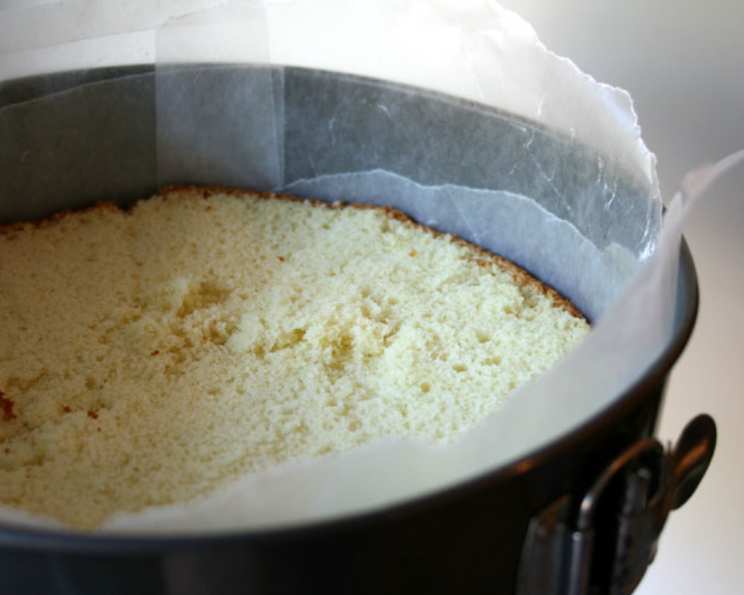
Victorian Hot Milk Sponge Cake: A Taste of Nostalgia
The scent of this cake always takes me back to my grandmother’s kitchen. I can almost see her now, humming softly as she carefully folded ingredients, the warm milk scent mingling with the comforting aroma of vanilla. It wasn’t just the cake itself; it was the feeling of being surrounded by love and the simple joy of sharing something delicious. This Victorian Hot Milk Sponge Cake is more than just a recipe; it’s a cherished memory I’m delighted to share.
Recipe Overview
- Prep Time: 15 minutes
- Cook Time: 18 minutes
- Total Time: 33 minutes
- Servings: 8
- Yield: 1 cake
- Dietary Type: Not Gluten-Free
Ingredients
- 1/2 cup all-purpose flour
- 1/2 teaspoon baking powder
- 1 dash salt
- 1 egg
- 1/2 cup sugar
- 1/4 cup milk
- 1 tablespoon butter
Equipment Needed
- 9×1 1/2 inch or 8x 1/2 inch round baking pan
- Small mixing bowl
- Medium mixing bowl
- Electric mixer
- Small saucepan
- Wire rack
Instructions
-
Preheat your oven to 350 degrees F (175 degrees C). This is crucial for even baking and the perfect rise.
-
Prepare your baking pan: Grease it thoroughly with butter or shortening, then lightly flour it. This prevents the cake from sticking and ensures easy removal. Tap out any excess flour.
-
In a small mixing bowl, combine the dry ingredients: all-purpose flour, baking powder, and salt. Stir them together thoroughly with a whisk to ensure even distribution of the baking powder. This step is important for the cake’s light and airy texture. Set this mixture aside.
-
In a medium mixing bowl, using an electric mixer on high speed, beat the egg for 3 to 4 minutes, or until it becomes thick and lemon-colored. This incorporates air into the batter, contributing to the sponge cake’s signature lightness.
-
Gradually add the sugar to the egg mixture, beating on medium speed for 4 to 5 minutes, or until the sugar is almost completely dissolved. The mixture should become noticeably lighter and fluffier. This step is essential for creating a smooth and tender cake.
-
Add the flour mixture to the egg and sugar mixture. Beat on low to medium speed “just until combined.” Be careful not to overmix the batter, as this can develop the gluten in the flour and result in a tough cake.
-
In a small saucepan, heat the milk and butter together over low heat, just until the butter melts. Do not boil the milk. Stir to ensure the butter is fully incorporated.
-
Gently stir the warm milk mixture into the egg mixture. The batter will be thin.
-
Pour the batter into the prepared baking pan and spread it evenly with a spatula.
-
Bake for about 18 minutes, or until the cake top springs back when lightly touched. The baking time may vary slightly depending on your oven, so keep a close eye on it. A toothpick inserted into the center should come out clean.
-
Remove the cake from the oven and let it cool in the pan on a wire rack for 10 minutes. This allows the cake to set slightly and prevents it from breaking when inverted.
-
After 10 minutes, loosen the cake from the sides of the pan with a knife or spatula. Invert the cake onto a wire rack and let it cool completely before serving.
-
To make ahead, wrap the cooled cake tightly in freezer wrap or foil and freeze for up to 1 month. Thaw at room temperature before using.
Expert Tips & Tricks
- Room Temperature Egg: Using an egg at room temperature will allow it to whip up to a better volume. If you forgot to take your egg out of the refrigerator, you can place it in a bowl of warm water for a few minutes.
- Don’t Overmix: Overmixing is the enemy of sponge cakes! Mix only until the ingredients are just combined to avoid a tough texture.
- Warm Milk is Key: The warm milk helps to relax the gluten in the flour, creating a more tender crumb.
- Oven Thermometer: Use an oven thermometer to ensure your oven is at the correct temperature. This will help prevent over- or under-baking.
- Gentle Touch: When folding in the flour, use a gentle hand to avoid deflating the egg mixture.
Serving & Storage Suggestions
This Victorian Hot Milk Sponge Cake is delicious served simply, dusted with powdered sugar, or topped with fresh berries and whipped cream. It’s also wonderful with a scoop of vanilla ice cream or a light glaze.
To store: The cake can be stored at room temperature for up to 2 days in an airtight container. For longer storage, refrigerate for up to 5 days. You can also freeze the cake for up to 1 month. To reheat, thaw the cake at room temperature and warm it gently in a low oven or microwave if desired.
Nutritional Information
| Nutrient | Amount per Serving | % Daily Value |
|---|---|---|
| Calories | 103.8 kcal | N/A |
| Calories from Fat | 21 g | 21% |
| Total Fat | 2.4 g | 3% |
| Saturated Fat | 1.3 g | 6% |
| Cholesterol | 31.3 mg | 10% |
| Sodium | 64.9 mg | 2% |
| Total Carbohydrate | 18.9 g | 6% |
| Dietary Fiber | 0.2 g | 0% |
| Sugars | 12.6 g | 50% |
| Protein | 1.9 g | 3% |
Variations & Substitutions
- Gluten-Free: Substitute the all-purpose flour with a gluten-free blend for a gluten-free version. Be sure to use a blend that contains xanthan gum or add 1/4 teaspoon of xanthan gum to the dry ingredients.
- Lemon Zest: Add 1 teaspoon of lemon zest to the batter for a bright, citrusy flavor.
- Vanilla Extract: Add 1/2 teaspoon of vanilla extract to the egg mixture for a more pronounced vanilla flavor.
- Spice it up: Add a pinch of cinnamon or nutmeg to the dry ingredients for a warm, comforting flavor.
FAQs (Frequently Asked Questions)
Q: Why is my cake dense and not fluffy?
A: Overmixing the batter is the most common cause. Be sure to mix only until the ingredients are just combined.
Q: Can I use a different type of milk?
A: While whole milk is recommended for the best flavor and texture, you can substitute with other types of milk, such as 2% or even a plant-based milk.
Q: My cake is browning too quickly. What should I do?
A: Tent the cake with foil during the last few minutes of baking to prevent it from browning too much.
Q: Can I make this cake in a different size pan?
A: You can, but you may need to adjust the baking time. Keep a close eye on the cake and test for doneness with a toothpick.
Q: How do I prevent the cake from sticking to the pan?
A: Grease and flour the pan thoroughly. You can also use parchment paper to line the bottom of the pan.
Final Thoughts
I hope this Victorian Hot Milk Sponge Cake brings as much joy to your kitchen as it has to mine. It’s a simple, comforting cake that’s perfect for any occasion. Don’t be afraid to experiment with different flavors and toppings to make it your own. I’d love to hear about your experiences with this recipe, so please share your feedback and any creative twists you try! Pair it with a cup of Earl Grey tea for a truly authentic Victorian experience. Happy baking!