
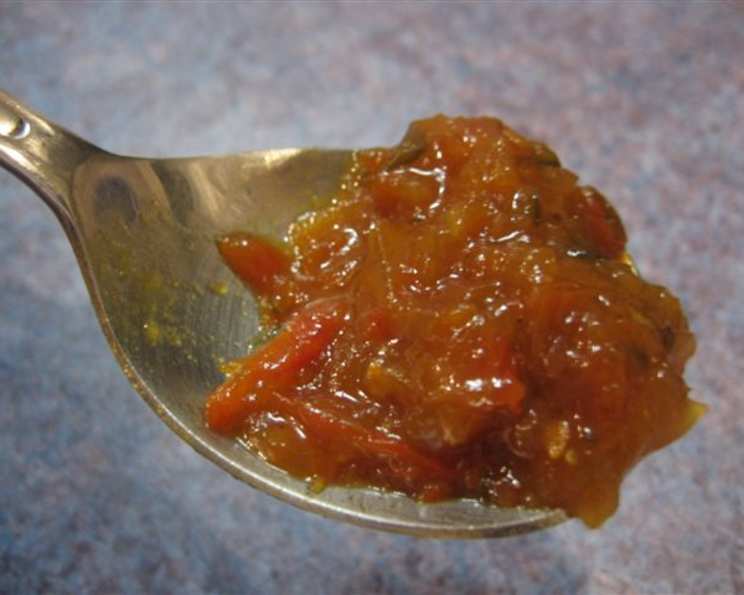
Victorian Tomato Relish: A Taste of Nostalgia
My memories of tomato relish are inextricably linked to the aroma of late summer, simmering pots on my grandmother’s stove, and the sheer joy of spreading it on crusty bread alongside a generous slice of cheddar. The sweet, tangy, slightly spicy notes were a perfect counterpoint to the richness of the cheese, creating a flavor symphony that still resonates with me today. It wasn’t just food; it was a hug from my childhood, bottled and preserved for savoring.
Recipe Overview
- Prep Time: 24 hours
- Cook Time: Varies, see instructions
- Total Time: Approximately 26 hours
- Yields: About 8 small jars
- Dietary Type: Vegan, Gluten-Free
Ingredients
- 24 tomatoes
- 8 onions
- 3-4 Lebanese cucumbers (or one large burpless cucumber, or a couple of ordinary cucumbers, but use the entire cucumber with seeds)
- 1 1/2 ounces salt
- 2 lbs sugar (white, brown, or half white and half brown)
- 0.5 (1687 ml) bottle malt vinegar or white distilled vinegar
- 3 tablespoons mustard
- 3 teaspoons cayenne pepper
- 6 tablespoons flour (for thickening)
- 3 tablespoons curry powder (use Clive of India if available)
Equipment Needed
- Large, heavy-bottomed pot or stockpot
- Sterilized jars with lids
- Slotted spoon or strainer
- Vegetable chopper (optional, but recommended)
- Measuring cups and spoons
Instructions
- Begin by cutting the unskinned tomatoes, onions, and unpeeled cucumbers into small pieces. A vegetable chopper will expedite this process considerably. Remember to use the entire cucumber, including the seeds, for the best flavor and texture.
- In a large bowl or container, sprinkle the chopped vegetables with all the salt. Stir well to ensure the salt is evenly distributed.
- Leave the mixture overnight (approximately 24 hours) at room temperature. This allows the salt to draw out the excess liquid from the vegetables. The salting process is crucial for achieving the desired relish consistency and preventing a watery final product.
- The next day, strain off as much of the accumulated liquid as possible. Use a slotted spoon or strainer to press down on the vegetables, extracting the liquid. Discard the liquid.
- Transfer the drained vegetables to a large, heavy-bottomed pot or stockpot. Add the sugar and vinegar.
- Bring the mixture to a boil over medium-high heat, then reduce the heat to low and simmer until the vegetables are tender. This simmering process can take several hours. Stir occasionally to prevent sticking and burning. The cooking time will vary depending on the heat and the size of the vegetable pieces. You’re looking for the tomatoes and cucumbers to break down and soften significantly.
- Once the vegetables are tender, add the mustard and cayenne pepper. Taste and adjust the amount of cayenne pepper to your preference. Remember that the flavors will intensify as the relish cools.
- In a small bowl, mix the flour and curry powder with a little extra vinegar to form a smooth slurry. This mixture will act as a thickening agent.
- Slowly pour the flour and curry powder mixture into the cooked tomatoes, stirring constantly to prevent lumps from forming.
- Continue to simmer the relish for another 15-20 minutes, or until it has thickened to your desired consistency. Stir frequently to prevent sticking. The relish should coat the back of a spoon.
- While the relish is simmering to its desired thickness, sterilize your jars and lids. Sterilizing your jars will create a vacuum seal that will help keep your relish shelf-stable for longer. Wash jars and lids in hot, soapy water and rinse well. Place the jars in a large pot, cover with water, and bring to a boil for 10 minutes. Remove the jars and lids from the boiling water and allow them to air dry on a clean towel, or place them in a warm oven to dry.
- Ladle the hot relish into the sterilized jars, leaving about 1/2 inch of headspace at the top.
- Wipe the rims of the jars clean with a damp cloth.
- Place the lids on the jars and screw on the bands until fingertip-tight.
- Process jars in a boiling water bath canner for 10 minutes to ensure a good seal.
- Allow the jars to cool completely before checking the seals. The lids should be concave and not flex when pressed. If a jar doesn’t seal, store it in the refrigerator and use it within a few weeks.
- Cover the jars when cold.
The relish can be used immediately. It also keeps extremely well and the flavor improves over time.
Expert Tips & Tricks
- Spice Level: The amount of cayenne pepper can be adjusted to suit your taste. Start with a smaller amount and add more gradually, tasting as you go.
- Thickening: If the relish is not thickening sufficiently, you can add a bit more flour slurry. Be sure to mix the flour with vinegar before adding it to the pot to prevent lumps.
- Jar Sterilization: Proper jar sterilization is crucial for long-term storage. Ensure that the jars and lids are thoroughly cleaned and sterilized before filling.
- Cucumber Choice: Lebanese cucumbers have a thinner skin and fewer seeds than regular cucumbers, making them ideal for relish. However, you can use any type of cucumber. If using regular cucumbers, you may want to remove some of the seeds if they are very large.
Serving & Storage Suggestions
Victorian Tomato Relish is incredibly versatile. Serve it as a condiment with grilled meats, sausages, or burgers. It’s also delicious with cheese and crackers, in sandwiches, or as a topping for eggs.
Store unopened jars of relish in a cool, dark place for up to a year. Once opened, refrigerate and use within a few weeks.
Nutritional Information
(Estimated values, will vary based on specific ingredients used)
| Nutrient | Amount per Serving | % Daily Value |
|---|---|---|
| Calories | 250 kcal | 13% |
| Total Fat | 1g | 2% |
| Saturated Fat | 0g | 0% |
| Cholesterol | 0mg | 0% |
| Sodium | 1000mg | 42% |
| Total Carbohydrate | 60g | 20% |
| Dietary Fiber | 3g | 12% |
| Sugars | 50g | – |
| Protein | 2g | 4% |
Variations & Substitutions
- Spicier Relish: For a hotter relish, add more cayenne pepper or a pinch of dried chili flakes.
- Sweeter Relish: If you prefer a sweeter relish, use brown sugar or add a touch of honey.
- Herbed Relish: Add fresh herbs like basil, oregano, or thyme for a more complex flavor.
- Smoked Relish: Use smoked paprika in place of some of the curry powder for a smoky flavor.
FAQs (Frequently Asked Questions)
Q: Why do I need to salt the vegetables overnight?
A: Salting draws out excess moisture from the vegetables, resulting in a thicker relish with a more concentrated flavor. It also helps to preserve the relish.
Q: Can I use different types of vinegar?
A: Yes, while malt vinegar is traditional, you can substitute white distilled vinegar or even apple cider vinegar for a slightly different flavor profile.
Q: How do I know when the relish is done?
A: The relish is done when the vegetables are tender and the mixture has thickened to your desired consistency. It should coat the back of a spoon.
Q: Can I freeze this relish?
A: While you can freeze it, the texture may change slightly upon thawing. If freezing, use freezer-safe containers and leave some headspace for expansion.
Q: My relish is too runny. How can I fix it?
A: If your relish is too runny, continue to simmer it over low heat until it thickens. You can also add a bit more flour slurry to help thicken it.
Final Thoughts
This Victorian Tomato Relish is more than just a recipe; it’s a taste of history and a connection to generations past. Embrace the process, savor the aromas, and create a batch that will transport you back to simpler times. I encourage you to try this recipe and share your feedback – and don’t forget to pair it with your favorite cheese and crackers for the ultimate culinary experience!