
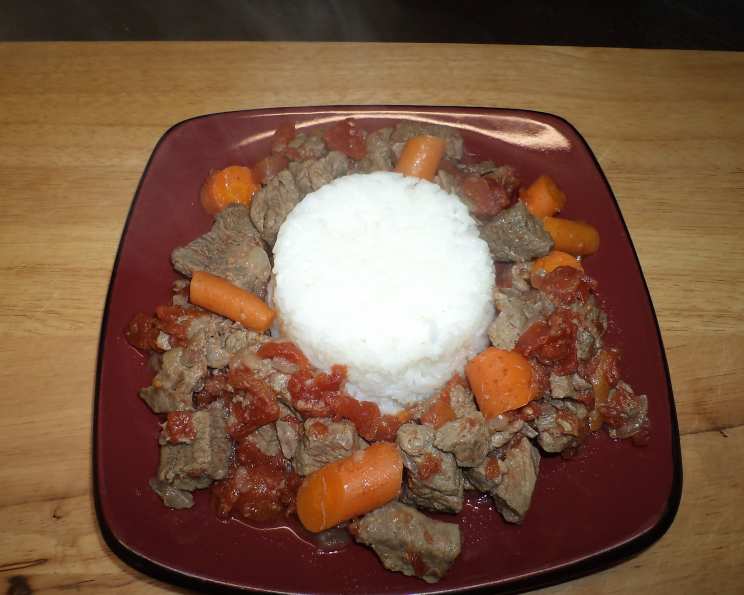
The Soul-Warming Embrace of Vietnamese Beef Stew (Bo’ Kho)
The first time I tasted Bo’ Kho, I was a wide-eyed culinary student working a summer internship in Little Saigon. The aroma alone – a heady blend of star anise, lemongrass, and slow-cooked beef – pulled me into a tiny, bustling eatery. That first bite, a tender morsel of beef bathed in a rich, savory broth, was an epiphany. It wasn’t just food; it was a story, a comforting hug on a plate, and a vibrant expression of Vietnamese culinary heritage. I was hooked, and spent the rest of the summer trying to recreate that magic, eventually learning the secrets to this incredible dish.
Recipe Overview
- Prep Time: 45 minutes
- Cook Time: 2 hours
- Total Time: 2 hours 45 minutes
- Servings: 4
- Yield: About 6 cups
- Dietary Type: Not Gluten-Free (can be modified), Dairy-Free
Ingredients
- 2 lbs boneless beef chuck, cut into 1.5-inch cubes (weigh after trimming)
- 1 stalk lemongrass, cut into 2-inch pieces and bruised
- 3 tablespoons fish sauce
- 1 1/2 teaspoons Chinese five spice powder
- 1 1/2 teaspoons brown sugar
- 2 1/2 tablespoons minced ginger
- 1 bay leaf
- 3 tablespoons vegetable oil
- 1 medium onion, chopped
- 1 cup chopped fresh tomatoes or (14 ounce) can crushed tomatoes
- 1/2 teaspoon salt
- 1 lb carrots, peeled, cut into 1-inch chunks
- 2 star anise
- 3 cups water
- Thai basil (optional, for garnish)
- Cilantro (optional, for garnish)
Equipment Needed
- Large, heavy-bottomed pot (5-quart or larger)
- Cutting board
- Sharp knife
- Measuring spoons and cups
Instructions
-
Marinate the Beef: In a large bowl, combine the beef chuck, lemongrass, fish sauce, Chinese five spice powder, minced ginger, brown sugar, and bay leaf. Mix well to ensure the beef is evenly coated. Cover and marinate in the refrigerator for at least 30 minutes, or up to 2 hours for a more intense flavor. The longer the marinating time, the more tender and flavorful the beef will become.
-
Sear the Beef: Heat the vegetable oil in the heavy-bottomed pot over high heat. Once the oil is shimmering, add the marinated beef in batches, being careful not to overcrowd the pot. Sear the beef quickly on all sides until browned. This step is crucial for developing a rich, deep flavor in the stew. Remove the seared beef from the pot and set aside, reserving the lemongrass and bay leaf for later use.
-
Sauté the Aromatics: Reduce the heat to medium. Add the chopped onion to the pot and cook, stirring occasionally, until translucent, about 5 minutes. Add the chopped fresh tomatoes (or crushed tomatoes) and cook, with the lid on, for another 12-15 minutes, stirring occasionally. This step helps to create a rich and flavorful base for the stew.
-
Deglaze (if necessary): If the sauce in the pot becomes too thick or starts to stick, add a splash of water to deglaze the pot, scraping up any browned bits from the bottom. These browned bits, called fond, are packed with flavor and will add depth to the stew.
-
Combine and Simmer: Add the seared beef back to the pot, along with the reserved lemongrass, bay leaf, and star anise. Cook uncovered for 5 minutes, allowing the flavors to meld together. Add the water, ensuring the beef is mostly submerged.
-
First Simmer: Bring the pot to a boil, then reduce the heat to low, cover, and simmer gently for 1 hour and 15 minutes. This slow simmering process allows the beef to become incredibly tender and the flavors to fully develop. Maintain a gentle simmer, adjusting the heat as needed to prevent the stew from boiling too rapidly or drying out.
-
Add Carrots and Continue Simmering: Add the carrot chunks to the pot and continue to simmer for another 45 minutes, or until the beef and carrots are both tender. Check the tenderness of the beef by piercing it with a fork; it should be easily pierced with little resistance. The carrots should be fork-tender as well.
-
Final Touches: Before serving, remove the bay leaf, lemongrass, and star anise from the stew. These aromatics have imparted their flavor and are no longer needed. Season with additional salt to taste.
-
Garnish and Serve: Ladle the Vietnamese Beef Stew into bowls and garnish with fresh cilantro and Thai basil (if desired).
Expert Tips & Tricks
- Beef Selection: While beef chuck is traditional, you can also use brisket or short ribs for a richer flavor. Remember to trim excess fat before cutting the beef into cubes.
- Browning is Key: Don’t skip the searing step! It adds a depth of flavor that’s essential to the dish. Work in batches to avoid overcrowding the pot, which can lower the temperature and prevent proper browning.
- Adjusting the Broth: If the stew becomes too thick during simmering, add a little more water to reach your desired consistency. Conversely, if the broth is too thin, simmer uncovered for a longer period to allow it to reduce.
- Spice Level: Adjust the amount of Chinese five spice powder to your liking. If you prefer a spicier stew, add a pinch of chili flakes or a thinly sliced chili pepper to the pot along with the tomatoes.
- Make-Ahead: Bo’ Kho tastes even better the next day, as the flavors have more time to meld together. Prepare it a day in advance and store it in the refrigerator. Reheat gently on the stovetop before serving.
Serving & Storage Suggestions
Serve Bo’ Kho hot, garnished with fresh cilantro and Thai basil. It’s traditionally enjoyed with crusty French bread (banh mi) for dipping into the flavorful broth, or with steamed rice.
Leftovers can be stored in an airtight container in the refrigerator for up to 3 days. For longer storage, freeze the stew in freezer-safe containers for up to 2 months. Thaw overnight in the refrigerator before reheating on the stovetop.
Nutritional Information
| Nutrient | Amount per Serving | % Daily Value |
|---|---|---|
| Calories | 480 kcal | 24% |
| Total Fat | 28g | 43% |
| Saturated Fat | 10g | 50% |
| Cholesterol | 160mg | 53% |
| Sodium | 1800mg | 75% |
| Total Carbohydrate | 25g | 8% |
| Dietary Fiber | 6g | 24% |
| Sugars | 12g | |
| Protein | 55g | 110% |
Variations & Substitutions
- Gluten-Free: To make this dish gluten-free, substitute the fish sauce with a gluten-free tamari or coconut aminos. Ensure that the Chinese five-spice powder is also gluten-free, as some blends may contain wheat flour.
- Vegetarian/Vegan: While traditionally made with beef, you can adapt this recipe for a vegetarian or vegan version by using firm tofu or seitan in place of the beef. Add some mushrooms for an “earthy” umami flavor. Use vegetable broth instead of water, and consider adding a splash of soy sauce for added depth.
- Root Vegetables: Feel free to add other root vegetables like potatoes or parsnips along with the carrots for added texture and flavor.
- Spices: Experiment with other spices like cinnamon sticks or cloves for a warmer, more complex flavor profile.
FAQs (Frequently Asked Questions)
Q: Can I use a different cut of beef?
A: Yes, you can. Beef brisket or short ribs are good substitutes for chuck, but keep in mind they may require slightly longer cooking times.
Q: Can I make this stew in a slow cooker?
A: Absolutely! Sear the beef as instructed, then transfer all ingredients to a slow cooker. Cook on low for 6-8 hours, or on high for 3-4 hours, until the beef is tender.
Q: How do I know when the beef is cooked through?
A: The beef should be fork-tender, meaning it can be easily pierced with a fork with little resistance. If it’s still tough, continue to simmer for a longer period.
Q: Can I add other vegetables?
A: Yes, you can add other vegetables like potatoes, daikon radish, or even bell peppers. Add them along with the carrots in the last 45 minutes of cooking time.
Q: Is it necessary to marinate the beef?
A: While not strictly necessary, marinating the beef for at least 30 minutes will significantly improve the flavor and tenderness of the stew.
Final Thoughts
Vietnamese Beef Stew, or Bo’ Kho, is more than just a recipe; it’s an experience. It’s a culinary journey that transports you to the bustling streets of Vietnam with every spoonful. Don’t be intimidated by the list of ingredients – this dish is surprisingly easy to make, and the results are well worth the effort. Gather your ingredients, follow the steps, and prepare to be amazed by the depth of flavor and comforting warmth of this classic Vietnamese stew. I encourage you to try this recipe, experiment with variations, and share your creations with loved ones. And if you find yourself with a pot of Bo’ Kho, pair it with a glass of robust red wine for a truly unforgettable meal.