
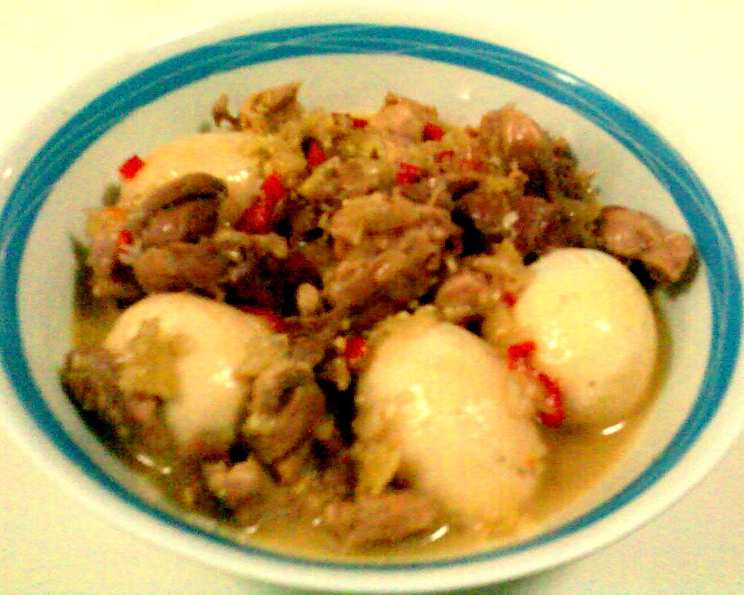
Vietnamese Clay Pot Pork: A Taste of Home
The aroma alone transports me back to my grandmother’s kitchen in Saigon. I can almost see her now, carefully layering ingredients in her well-worn clay pot, the sweet and savory scent of caramelized sugar mingling with the rich, earthy aroma of fish sauce. Each spoonful of this dish is more than just food; it’s a comforting embrace, a culinary tapestry woven with memories of family, laughter, and the simple joys of sharing a meal together. This dish, braised pork in a clay pot, is a cornerstone of Vietnamese home cooking, and I’m thrilled to share my family’s version with you.
Recipe Overview
- Prep Time: 15 minutes
- Cook Time: 35 minutes
- Total Time: 50 minutes
- Servings: 4-6
- Dietary Type: Gluten-Free (check fish sauce label)
Ingredients
- 2 tablespoons canola oil
- ¼ cup sugar
- 2-3 cloves garlic, minced
- 2 whole shallots, chopped
- 1 tablespoon minced ginger
- 1-2 chili, chopped
- 2 tablespoons fish sauce (or change depending on your taste)
- 1 ½ lbs pork tenderloin, cubed about 1 ½ inch in size
- 1 pinch salt, to taste
- 1 pinch pepper
- 4-6 hard-boiled eggs, peeled (optional)
- ½ cup water
Equipment Needed
- Clay pot or heavy-bottomed saucepan
- Knife
- Cutting board
- Measuring spoons and cups
- Stirring spoon
Instructions
- Begin by heating the canola oil in your clay pot (or saucepan) over medium heat. Once the oil is shimmering, add the sugar.
- Cook the sugar, stirring frequently, until it dissolves completely and begins to caramelize. Be careful not to burn the sugar; you’re looking for a rich amber color.
- Add the minced garlic, chopped shallots, minced ginger, and chopped chili to the caramelized sugar. Cook, stirring constantly, for about 4-5 minutes, until the aromatics are fragrant and softened.
- Increase the heat to high. Add the cubed pork tenderloin to the pot. Stir the pork continuously until it has browned slightly on all sides. This searing process is key to developing depth of flavor.
- Pour in the water, and then add the fish sauce. Stir well to combine all the ingredients.
- Once the mixture comes to a boil, reduce the heat to a simmer.
- Optional step: Cut the hard-boiled eggs in half and gently place them into the pot, nestled amongst the pork. The eggs will absorb the flavorful sauce, creating a delightful treat.
- Cover the pot tightly with a lid and let it simmer gently.
- Allow the pork to simmer for 30-35 minutes, or until the pork is tender and the sauce has thickened. The longer it simmers, the richer the flavor will become. Be sure to check occasionally to ensure the sauce hasn’t reduced too much; if it has, add a tablespoon or two of water.
- Taste the sauce and adjust seasoning with salt and pepper as needed. Remember that fish sauce is already quite salty, so add salt sparingly.
- Serve hot over cooked white rice or fragrant basmati rice. A side of steamed cabbage or water spinach (rau muống) makes for a complete and balanced meal.
Expert Tips & Tricks
- Pork Selection: While pork tenderloin is preferred for its tenderness, you can also use pork shoulder or pork chops. If using pork chops, increase the amount to about 1 ¾ – 2 lbs.
- Sugar Caramelization: Pay close attention during the sugar caramelization process. Burnt sugar will impart a bitter taste to the entire dish. Aim for a deep amber color.
- Clay Pot Advantage: A clay pot helps to distribute heat evenly, resulting in more tender and flavorful pork. If you don’t have one, a heavy-bottomed saucepan works just as well.
- Flavor Enhancement: For an even deeper flavor, marinate the pork in a mixture of fish sauce, sugar, and minced garlic for at least 30 minutes before cooking.
- Spice Level: Adjust the amount of chili to your preference. For a milder dish, use less chili or remove the seeds. For a spicier kick, use a hotter variety of chili.
Serving & Storage Suggestions
Serve the Vietnamese Clay Pot Pork hot, ladled generously over a bed of fluffy white rice. Garnish with a sprinkle of freshly chopped cilantro or green onions for a pop of color and freshness.
Leftovers can be stored in an airtight container in the refrigerator for up to 3 days. To reheat, gently warm the pork and sauce in a saucepan over low heat or microwave until heated through. You may need to add a splash of water to loosen the sauce if it has thickened too much. Freezing is not recommended as it can affect the texture of the pork.
Nutritional Information
| Nutrient | Amount per Serving | % Daily Value |
|---|---|---|
| Calories | 327.8 kcal | N/A |
| Calories from Fat | N/A | 36% |
| Total Fat | 13.1 g | 20% |
| Saturated Fat | 2.6 g | 12% |
| Cholesterol | 110.6 mg | 36% |
| Sodium | 836 mg | 34% |
| Total Carbohydrate | 15.1 g | 5% |
| Dietary Fiber | 0.2 g | 0% |
| Sugars | 12.9 g | N/A |
| Protein | 35.9 g | 71% |
Variations & Substitutions
- Vegetarian Option: Substitute the pork with firm tofu or mushrooms. Adjust the cooking time accordingly.
- Sweetness: For a sweeter sauce, add a tablespoon of honey or brown sugar.
- Spiciness: Increase or decrease the amount of chili depending on your preference. You can also add a pinch of red pepper flakes for extra heat.
- Vegetables: Add other vegetables such as carrots, potatoes, or bell peppers to the pot during the simmering process.
- Coconut Water: Substitute the water with coconut water for a subtle sweetness and aroma.
FAQs (Frequently Asked Questions)
Q: Can I use a different type of pork?
A: Yes, you can substitute pork tenderloin with pork shoulder or pork chops. Adjust the cooking time accordingly, as these cuts may require longer simmering to become tender.
Q: Is fish sauce essential for this recipe?
A: Fish sauce is a key ingredient that provides the characteristic savory and umami flavor. However, you can substitute it with soy sauce or tamari (for a gluten-free option) in a pinch, although the flavor profile will be slightly different.
Q: How do I prevent the sugar from burning when caramelizing?
A: Use medium heat and stir the sugar frequently to ensure even melting. Keep a close eye on it, and remove from heat immediately if it starts to burn.
Q: Can I make this dish ahead of time?
A: Yes, this dish can be made ahead of time and stored in the refrigerator for up to 3 days. The flavors will actually meld and intensify over time.
Q: What is a good side dish to serve with Vietnamese Clay Pot Pork?
A: Steamed white rice is a classic accompaniment. You can also serve it with steamed vegetables like cabbage or water spinach, or a fresh cucumber salad.
Final Thoughts
This Vietnamese Clay Pot Pork is more than just a recipe; it’s an invitation to experience the heartwarming flavors of Vietnamese home cooking. I encourage you to try it, experiment with the variations, and make it your own. Share your creations with loved ones, and don’t hesitate to leave feedback and let me know what you think. Pair it with a refreshing Vietnamese iced coffee (cà phê sữa đá) for the perfect culinary experience. Enjoy!