
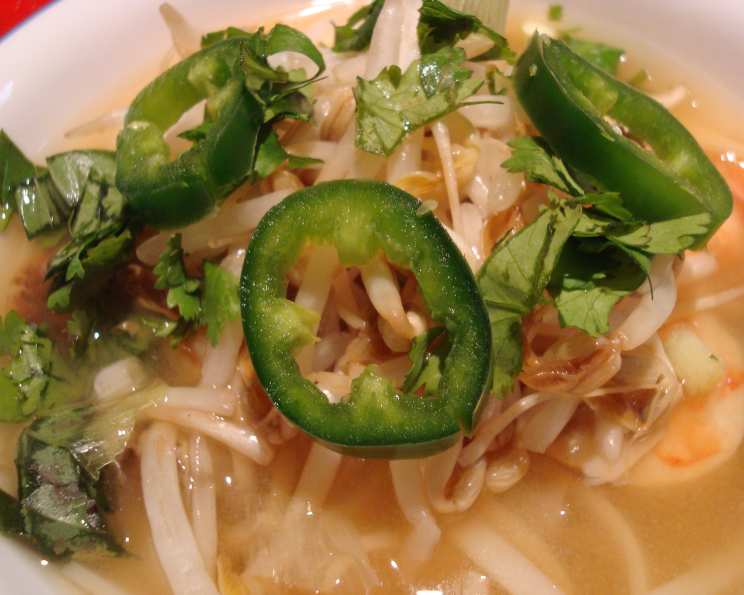
Vietnamese Hot and Sour Soup: A Culinary Journey
The first time I tasted canh chua, Vietnamese hot and sour soup, was at a tiny, bustling pho shop in Little Saigon. Steam curled from the vibrant broth, carrying the scent of lemongrass and lime. It was a revelation – a symphony of contrasting flavors, where the sharp tang danced with a gentle sweetness, all balanced by the savory depth of the broth. That initial spoonful sparked a lifelong love affair with Vietnamese cuisine, and this soup has remained a comforting staple in my kitchen ever since.
Recipe Overview
- Prep Time: 15 minutes
- Cook Time: 25 minutes
- Total Time: 40 minutes
- Servings: 4
- Dietary Type: Gluten-Free
Ingredients
- 4 ounces rice noodles, cooked, rinsed, and drained as directed on package
- 5 cups chicken broth or 5 cups vegetable broth
- 2 stalks lemongrass, crushed and thinly sliced diagonally (use only bottom third to half of the stalk)
- 1 cup shiitake mushrooms, sliced (or button mushrooms)
- ½ cup onion, thinly sliced
- ½ lb medium shrimp, cleaned and deveined
- 1 tablespoon fish sauce (or slightly more to taste)
- 2 ½ tablespoons fresh lime juice
Garnish
- 1 cup fresh bean sprouts, trimmed and rinsed
- 2 green onions, thinly sliced
- 2 fresh jalapeño chilies, seeded and thinly sliced
- 2 tablespoons fresh cilantro, roughly chopped
- 2 tablespoons fresh basil, roughly chopped
Equipment Needed
- Large pot
- Knife
- Cutting board
- Soup bowls
Instructions
-
In a large pot, bring the broth, lemongrass, mushrooms, and onion to a boil over high heat. The lemongrass releases its aromatic oils best when crushed slightly before slicing.
-
Once boiling, reduce the heat to medium and let the mixture simmer for about 10 minutes, allowing the flavors to meld and deepen. This step is crucial for building a rich and complex broth.
-
Add the shrimp, fish sauce, and lime juice to the pot. The fish sauce adds a savory umami note, while the lime juice provides the signature sourness. Adjust the amount of fish sauce to your preference.
-
Cook until the shrimp is opaque and pink, which typically takes only 1-2 minutes. Overcooking the shrimp will result in a rubbery texture, so keep a close eye on it.
-
Add the cooked rice noodles to the pot and heat through for another minute. Be sure the noodles are well-drained before adding them to the soup to prevent a diluted broth.
-
Serve the soup immediately in individual bowls. Garnish generously with fresh bean sprouts, green onions, jalapeño chilies, cilantro, and basil. Let your guests customize their soup with the amount of heat and herbs they prefer.
Expert Tips & Tricks
- Broth is Key: The quality of your broth significantly impacts the final flavor of the soup. If you have the time, consider making your own chicken or vegetable broth for a richer, more complex taste.
- Lemongrass Preparation: Don’t discard the tougher outer leaves of the lemongrass. Tie them together with kitchen twine and add them to the broth while simmering for added flavor. Remove them before serving.
- Mushroom Variety: Experiment with different types of mushrooms. Oyster mushrooms or enoki mushrooms would also work well in this soup.
- Spice Level: Adjust the amount of jalapeños to control the spiciness of the soup. For a milder soup, remove the seeds and membranes from the jalapeños before slicing. You can also serve a side of sriracha for those who prefer extra heat.
- Make-Ahead Tip: You can prepare the broth and slice the vegetables ahead of time. Store them separately in the refrigerator, and then combine them when you’re ready to cook the soup. The shrimp should be added just before serving to prevent it from becoming tough.
Serving & Storage Suggestions
Serve the Vietnamese hot and sour soup hot and garnished generously. The soup is best enjoyed immediately, but leftovers can be stored in an airtight container in the refrigerator for up to 2 days. The noodles will absorb some of the broth over time, so you may need to add a little extra broth when reheating. To reheat, gently warm the soup on the stovetop over medium heat or in the microwave. I don’t recommend freezing this soup, as the texture of the noodles and vegetables may change.
Nutritional Information
| Nutrient | Amount per Serving | % Daily Value |
|---|---|---|
| Calories | 217 kcal | N/A |
| Total Fat | 2.6g | 4% |
| Saturated Fat | 0.6g | 3% |
| Cholesterol | 71.6mg | 23% |
| Sodium | 1664.2mg | 69% |
| Total Carbohydrate | 30.7g | 10% |
| Dietary Fiber | 1.7g | 6% |
| Sugars | 3.6g | N/A |
| Protein | 16.4g | 32% |
Variations & Substitutions
- Vegetarian/Vegan: Replace the chicken broth with vegetable broth and omit the shrimp. You can add tofu or more mushrooms for protein. Use soy sauce instead of fish sauce, or a vegetarian fish sauce substitute.
- Protein Options: Feel free to substitute the shrimp with chicken, pork, or fish. Adjust cooking times accordingly.
- Noodle Variety: Try using glass noodles or egg noodles instead of rice noodles.
- Vegetable Additions: Add other vegetables like tomatoes, pineapple, or okra for a different flavor profile.
- Coconut Milk: For a richer, creamier soup, add a can of coconut milk to the broth during the simmering stage.
- Spicy Level: Add more or less jalapeño to adjust the spiciness. Chili garlic sauce or red pepper flakes are other good options.
- Herbs: Mint can also be added to the herbs used for garnish.
FAQs (Frequently Asked Questions)
Q: Can I make this soup ahead of time?
A: Yes, you can prepare the broth and vegetables ahead of time and store them separately. Add the shrimp and noodles just before serving.
Q: What is fish sauce, and can I substitute it?
A: Fish sauce is a fermented fish sauce that adds a savory umami flavor to the soup. If you don’t have fish sauce, you can substitute it with soy sauce or tamari, but the flavor will be slightly different.
Q: How do I store leftover soup?
A: Store leftover soup in an airtight container in the refrigerator for up to 2 days. Reheat gently on the stovetop or in the microwave.
Q: Can I freeze this soup?
A: Freezing is not recommended, as the texture of the noodles and vegetables may change.
Q: How do I adjust the sourness of the soup?
A: Add more or less lime juice to adjust the sourness of the soup to your taste.
Final Thoughts
This Vietnamese hot and sour soup is more than just a recipe; it’s an experience. The combination of bright, tangy, and savory flavors is incredibly satisfying and comforting. Don’t be intimidated by the list of ingredients – the process is simple, and the results are well worth the effort. Gather your ingredients, embrace the aromas, and prepare to be transported to the vibrant streets of Vietnam with every spoonful. I encourage you to try this recipe and make it your own by adjusting the ingredients to your liking. Share your creations and feedback – I’d love to hear how it turns out! This soup pairs perfectly with fresh spring rolls or a side of steamed rice. Enjoy!