
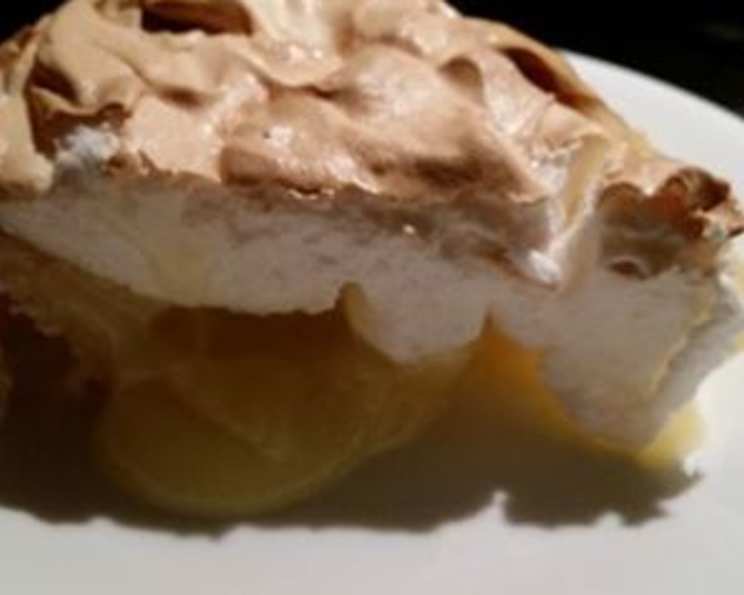
The Unexpected Delight: Rediscovering Vinegar Pie
I’ll never forget the first time I encountered Vinegar Pie. I was a young culinary student, thumbing through a tattered collection of Depression-era recipes in a dusty library. The name itself – Vinegar Pie! – sounded utterly unappetizing. Yet, something about the simple ingredient list and the promise of a tart, creamy filling intrigued me. It felt like uncovering a secret, a culinary whisper from a time when resourcefulness reigned supreme. Now, decades later, it remains a testament to the power of simple ingredients transformed into something truly special.
Recipe Overview
- Prep Time: 15 minutes
- Cook Time: 25-30 minutes (filling) + 5-10 minutes (meringue)
- Total Time: 45-60 minutes
- Servings: 8
- Yield: 1 pie
- Dietary Type: Vegetarian
Ingredients
- 1 1/4 cups sugar
- 3 egg yolks, beaten
- 6 tablespoons vinegar (cider or white)
- 1/3 cup flour
- 2 cups water
- 3 tablespoons butter
- 1 1/2 teaspoons lemon extract
- 1 (9 inch) pie shell, baked and cooled
- Meringue (made from the leftover egg whites)
Equipment Needed
- Medium saucepan
- Whisk
- Measuring cups and spoons
- 9-inch pie plate (if not using a pre-made crust)
- Mixer (for meringue)
Instructions
-
In a medium saucepan, combine the sugar, beaten egg yolks, vinegar (cider or white), flour, and water. Whisk everything together thoroughly to ensure there are no lumps of flour. This is crucial for a smooth filling.
-
Place the saucepan over medium heat. It is vital to cook the mixture while stirring constantly using a whisk. Don’t stop stirring, or the mixture could scorch on the bottom of the pan.
-
Continue to cook and stir until the mixture thickens. This usually takes about 20-25 minutes. The mixture is ready when it coats the back of a spoon. A good test is to dip a spoon into the mixture and run your finger down the back of the spoon; if the line remains distinct and the mixture doesn’t immediately run back together, it is thick enough.
-
Remove the saucepan from the heat. Immediately stir in the lemon extract and butter.
-
Continue to stir until the butter has completely melted and is fully incorporated into the filling. This will give the pie a richer flavor and a smoother texture.
-
Pour the warm filling into the pre-baked and cooled pie crust.
-
Prepare a meringue using the leftover egg whites. Beat the egg whites with sugar until stiff peaks form. (Approximately 3 egg whites to 6 tablespoons of sugar). The meringue should be glossy and hold its shape well.
-
Spread the meringue evenly over the pie filling, ensuring it reaches the edges of the crust. You can create decorative swirls with the back of a spoon or a piping bag if you’re feeling fancy.
-
Bake the pie in a preheated oven at 350ºF (175ºC) until the meringue is golden brown. This typically takes about 5-10 minutes. Watch it carefully to prevent the meringue from burning.
-
Let cool completely before serving. This allows the filling to set properly and the flavors to meld together.
Expert Tips & Tricks
- Vinegar Choice: While cider vinegar and white vinegar are both acceptable, cider vinegar will impart a slightly sweeter, fruitier flavor to the pie. White vinegar will provide a sharper tang.
- Preventing a Soggy Crust: To prevent a soggy bottom crust, you can brush the baked pie shell with a thin layer of melted chocolate or egg white before adding the filling.
- Meringue Stability: For a more stable meringue, add a pinch of cream of tartar to the egg whites before beating. This will help the meringue hold its shape better.
- Baking the Crust: For best results, blind bake the pie crust before adding the filling. This means baking the crust partially or fully before adding the filling. Use pie weights or dried beans to prevent the crust from puffing up.
- Lemon Zest: Add the zest of one lemon to the filling along with the lemon extract for an extra burst of citrus flavor.
- Fixing a Lumpy Filling: If your filling becomes lumpy during cooking, try using an immersion blender to smooth it out before adding the butter and lemon extract.
Serving & Storage Suggestions
Vinegar pie is best served chilled or at room temperature. A dollop of whipped cream or a dusting of powdered sugar makes a lovely addition. Store leftover pie in the refrigerator, covered, for up to 3 days. The meringue may soften slightly over time, but the flavor will remain delicious. While freezing isn’t recommended due to the meringue’s texture, the filling itself can be frozen separately. Let it thaw completely in the refrigerator before pouring into a freshly baked crust and topping with meringue.
Nutritional Information
Here’s an estimated nutritional breakdown per serving:
| Nutrient | Amount per Serving | % Daily Value |
|---|---|---|
| Calories | 320 kcal | 16% |
| Total Fat | 12g | 18% |
| Saturated Fat | 6g | 30% |
| Cholesterol | 90mg | 30% |
| Sodium | 160mg | 7% |
| Total Carbohydrate | 50g | 17% |
| Dietary Fiber | 1g | 4% |
| Sugars | 35g | — |
| Protein | 4g | 8% |
Note: Nutritional information is an estimate and may vary based on specific ingredients and portion sizes.
Variations & Substitutions
- Crust: Use a gluten-free pie crust for a gluten-free version.
- Vinegar: Experiment with different types of vinegar, such as apple cider vinegar, for a unique flavor profile.
- Sweetener: Substitute honey or maple syrup for the sugar, adjusting the quantity to taste.
- Dairy-Free: Use a plant-based butter alternative to make the pie dairy-free. Note that the meringue will need to be replaced to avoid eggs.
- Lemon-Lime Pie: Replace half of the lemon extract with lime extract for a tangy twist.
FAQs (Frequently Asked Questions)
Q: Why is it called Vinegar Pie?
A: It’s called Vinegar Pie because vinegar is one of the key ingredients in the filling. It provides a characteristic tanginess that balances the sweetness.
Q: Can I use a store-bought pie crust?
A: Yes, using a store-bought pie crust is perfectly acceptable and will save you time. Just make sure it’s a 9-inch crust and pre-bake it before adding the filling.
Q: What if my filling is too thin?
A: If your filling is too thin, you can try cooking it for a longer period over medium heat, stirring constantly, until it thickens. Alternatively, you can whisk a tablespoon of cornstarch with a small amount of cold water and add it to the filling while cooking.
Q: How do I prevent my meringue from weeping?
A: Ensure that the meringue is spread evenly over the hot filling, sealing it to the edges of the crust. Bake the pie immediately after topping it with meringue. Also, avoid overbaking the meringue.
Q: Can I make this pie ahead of time?
A: Yes, you can make the pie filling a day in advance and store it in the refrigerator. However, it’s best to make the meringue and assemble the pie just before serving to prevent the meringue from softening.
Final Thoughts
Vinegar Pie is more than just a recipe; it’s a piece of history, a testament to culinary ingenuity in the face of adversity. It’s a reminder that deliciousness doesn’t always require fancy ingredients or complicated techniques. I encourage you to try this surprisingly delightful dessert. Prepare to be amazed by the unexpected burst of flavor, and perhaps even share this timeless treasure with your loved ones. I bet they won’t believe it has vinegar in it! Don’t hesitate to add your own creative touch to this classic recipe, and most importantly, enjoy the process. Let me know what you think!