
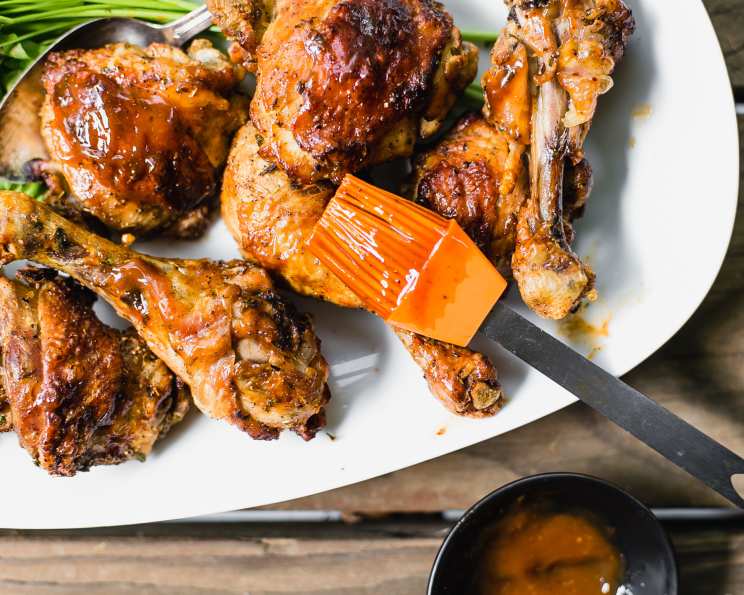
Virginia Barbecue Chicken: A Taste of Summer
The memory is as vivid as the Virginia sunset itself: a haze of smoke hanging low in the air, the joyous chatter of neighbors, and that unmistakable, tantalizing aroma wafting from the grill. Every summer, our church would host a barbecue fundraiser, and the star of the show was always this Virginia Barbecue Chicken. The tangy, savory sauce, brushed lovingly over the smoking chicken, created a flavor that permeated every gathering, every laugh, and every shared moment. It wasn’t just a meal; it was a taste of community, a slice of Virginia summer on a plate. Now, I’m thrilled to share this cherished recipe with you, so you can bring that same warm, nostalgic flavor to your own table.
Recipe Overview
- Prep Time: 15 minutes
- Cook Time: 45 minutes
- Total Time: 1 hour
- Servings: 5-10
- Yield: About 2 1/2 cups of sauce
- Dietary Type: Generally Gluten-Free (check individual ingredient labels)
Ingredients
- 1 cup oil (vegetable or canola work well)
- 1 1/4 cups vinegar (white distilled vinegar is traditional)
- 1 teaspoon black pepper
- 2 teaspoons salt
- 1 teaspoon garlic salt
- 1 tablespoon lemon juice
- 2 tablespoons poultry seasoning
- 5-10 chicken halves or 12-20 drumsticks
Equipment Needed
- Grill
- Small saucepan (optional, for warming sauce)
- Basting brush
- Mixing bowl
- Hand blender or whisk
Instructions
- Prepare the Sauce: In a large mixing bowl, combine the oil, vinegar, black pepper, salt, garlic salt, lemon juice, and poultry seasoning.
- Emulsify the Sauce: The key to a good sauce is preventing separation. Using a hand blender is highly recommended to thoroughly emulsify the ingredients. Alternatively, you can whisk vigorously for several minutes until the mixture is well combined. The sauce may still separate slightly as it sits, but a good initial emulsification will help.
- Marinate the Chicken: Pour a small amount of the barbecue sauce over your chicken pieces. Aim for about 5-10 chicken halves or 12-20 drumsticks. Massage the sauce into the chicken, ensuring it’s evenly coated.
- Marinating Time: Allow the chicken to marinate for at least a couple of hours, or ideally overnight in the refrigerator. The longer the chicken marinates, the more flavorful it will become.
- Prepare the Grill: Preheat your grill to medium heat. For a more authentic flavor, use charcoal. Build a fire that provides consistent, medium heat.
- Grill the Chicken: Place the marinated chicken pieces on the grill.
- Baste Frequently: This is crucial! Every 5-7 minutes, turn the chicken and generously baste it with the remaining barbecue sauce. The frequent basting is what creates that signature tangy crust. Be careful not to let the sauce drip excessively into the coals, as this can cause flare-ups.
- Cook to Doneness: Continue grilling and basting until the chicken is cooked through. The internal temperature should reach 165°F (74°C) for the dark meat (thighs and drumsticks) and 160°F (71°C) for the white meat (breasts). Use a meat thermometer to ensure accuracy. Cooking time will vary depending on the size of the chicken pieces and the heat of your grill, but typically, it takes around 45 minutes to an hour.
- Slow Cooking Variation: For the most tender and flavorful result, consider using a grilling pit or smoker and slow-cooking the chicken for a couple of hours over indirect heat. This allows the flavors to meld and the chicken to become incredibly moist. Maintain a consistent temperature of around 250-275°F (120-135°C) in the pit.
- Serve and Enjoy: Once the chicken is cooked through, remove it from the grill and let it rest for a few minutes before serving.
Expert Tips & Tricks
- Don’t Overcrowd the Grill: Give the chicken pieces plenty of space on the grill to ensure even cooking and browning. Work in batches if necessary.
- Control Flare-Ups: Keep a spray bottle filled with water nearby to tame any flare-ups caused by dripping sauce.
- Warm the Sauce: For an extra layer of flavor, gently warm the sauce in a small saucepan before basting. This helps the sauce adhere to the chicken and caramelize better. Be careful not to boil the sauce.
- Adjust Sweetness: If you prefer a sweeter barbecue sauce, add a tablespoon or two of brown sugar or honey to the mixture.
- Spice it Up: Add a pinch of red pepper flakes or a dash of hot sauce to the sauce for a little kick.
Serving & Storage Suggestions
This Virginia Barbecue Chicken is fantastic served hot off the grill with classic sides like coleslaw, potato salad, baked beans, and corn on the cob. It’s also delicious cold, making it perfect for picnics and potlucks.
- Room Temperature: Do not leave cooked chicken at room temperature for more than 2 hours.
- Refrigeration: Store leftover chicken in an airtight container in the refrigerator for up to 3-4 days.
- Freezing: For longer storage, freeze the chicken in an airtight container for up to 2-3 months. Thaw it overnight in the refrigerator before reheating.
- Reheating: Reheat leftover chicken in the oven at 350°F (175°C) until warmed through, or microwave it in short intervals, checking frequently to prevent it from drying out.
Nutritional Information
Estimates based on 1 chicken half serving. Actual values may vary.
| Nutrient | Amount per Serving | % Daily Value |
|---|---|---|
| Calories | 350 kcal | 18% |
| Total Fat | 25g | 38% |
| Saturated Fat | 5g | 25% |
| Cholesterol | 100mg | 33% |
| Sodium | 800mg | 35% |
| Total Carbohydrate | 5g | 2% |
| Dietary Fiber | 1g | 4% |
| Sugars | 2g | – |
| Protein | 30g | 60% |
Variations & Substitutions
- Gluten-Free: Ensure all ingredients, especially poultry seasoning, are certified gluten-free.
- Vinegar Variations: While white distilled vinegar is traditional, you can experiment with apple cider vinegar for a slightly sweeter and more complex flavor.
- Spice Level: Adjust the amount of black pepper and consider adding a pinch of cayenne pepper to control the heat.
- Herb Variations: Fresh herbs like rosemary or thyme can be added to the marinade for a more aromatic flavor.
- Chicken Cuts: This recipe works well with bone-in, skin-on chicken thighs, or even a whole chicken spatchcocked (butterflied) for grilling.
FAQs (Frequently Asked Questions)
Q: Why is it important to emulsify the sauce?
A: Emulsifying the sauce helps to combine the oil and vinegar, preventing them from separating during cooking and ensuring a more even distribution of flavor.
Q: Can I use this sauce on other meats besides chicken?
A: Absolutely! This sauce is also delicious on pork ribs, beef brisket, or even grilled vegetables.
Q: How do I prevent the chicken from drying out on the grill?
A: Frequent basting with the sauce is key to keeping the chicken moist. Also, avoid overcooking the chicken by using a meat thermometer to check for doneness.
Q: What if my grill doesn’t have a lid?
A: You can still grill the chicken successfully without a lid, but it may take a bit longer to cook. Just be sure to monitor the chicken closely and turn it frequently to prevent burning.
Q: Can I make the sauce ahead of time?
A: Yes, the sauce can be made up to a few days in advance and stored in an airtight container in the refrigerator. This allows the flavors to meld even further.
Final Thoughts
Virginia Barbecue Chicken is more than just a recipe; it’s a connection to simpler times, to shared meals and community spirit. I hope this recipe inspires you to gather your loved ones, fire up the grill, and create your own cherished memories. Don’t be afraid to experiment with the flavors and make it your own. I’d love to hear about your experiences and any variations you try. Consider pairing this chicken with a crisp, dry rosé or a light-bodied red wine for the perfect summer meal. Enjoy!