
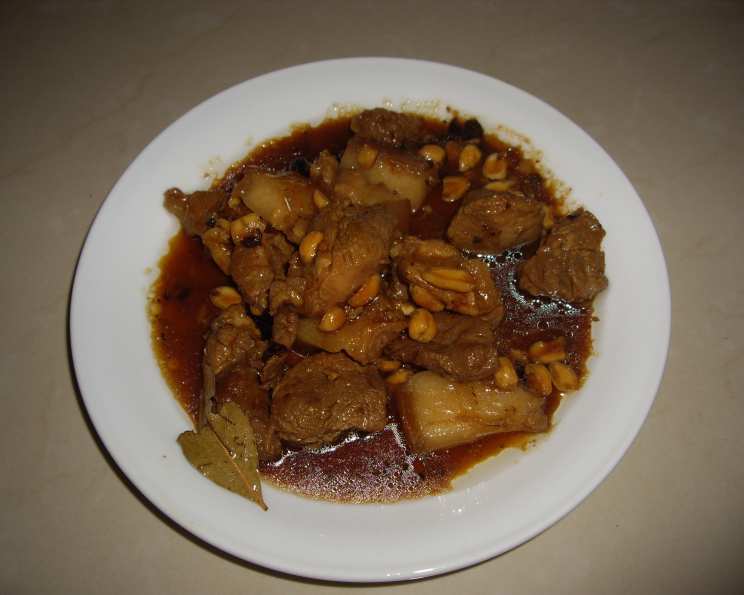
Humba: A Taste of Visayan Comfort
The scent of humba instantly transports me back to my grandmother’s kitchen in Cebu. I remember being a small child, perched on a stool, watching her meticulously prepare this dish. The aroma of braised pork, mingling with the sweet tang of pineapple and the savory depth of soy sauce, was intoxicating. Each simmering pot was a lesson in patience, a story told through flavors, and a testament to the enduring love that permeated her cooking. To this day, humba is more than just a meal; it’s a cherished memory, a connection to my heritage, and a reminder of the simple joy of sharing good food with loved ones.
Recipe Overview
- Prep Time: 15 minutes
- Cook Time: 2-3 hours
- Total Time: 2 hours 15 minutes – 3 hours 15 minutes
- Servings: 12
- Yield: Approx. 12 servings
- Dietary Type: Not specified (contains meat, soy)
Ingredients
- 2 lbs pork butt, cubed (combination of lean meat and fat)
- 3 cups sweetened pineapple juice
- 1/4 cup light soy sauce
- 1/4 cup white vinegar
- 1/2 teaspoon oregano
- Salt and pepper to taste
- 1 head garlic, minced
- 1/4 cup brown sugar
- 2 pieces bay leaves
- 4 tablespoons soybean paste
- 1 cup ground peanuts
- 1 tablespoon oil
- 1 medium onion, chopped
Equipment Needed
- Large pot or casserole dish
Instructions
-
In a large pot or casserole dish, heat the oil over medium heat. Sauté the garlic and onion until fragrant and softened, about 3-5 minutes. Be careful not to burn the garlic.
-
Add the pork cubes and brown on all sides. It’s important to brown the pork in batches if necessary to avoid overcrowding the pot, which can steam the meat instead of searing it. Searing the pork develops a deeper flavor and richer color.
-
Return all the browned pork pieces to the pot.
-
Pour in the pineapple juice, soy sauce, and white vinegar.
-
Add the minced garlic, oregano, salt, pepper, brown sugar, and bay leaves. Stir to combine all ingredients.
-
Bring the mixture to a boil, then reduce the heat to a simmer.
-
Cook and simmer for 1-2 hours over medium-low heat, or until the pork is very tender. The cooking time will depend on the size of the pork cubes and the cut of meat. Check the pork periodically; it should be easily pierced with a fork when done.
-
During the simmering process, keep adding liquids (water, stock, or pineapple juice) if necessary to prevent the sauce from drying out. You want the pork to be submerged in liquid throughout the cooking process.
-
Once the pork is tender, add in the soybean paste and ground peanuts.
-
Cook, stirring frequently, until the sauce thickens to your desired consistency. This usually takes about 15-20 minutes. The peanuts will also contribute to the sauce’s thickening.
-
Remove from heat and serve hot with steamed rice.
Expert Tips & Tricks
- Pork Selection: For the most flavorful humba, use pork butt (also known as Boston butt) with a good balance of lean meat and fat. The fat renders during cooking, adding richness and moisture to the dish.
- Browning is Key: Don’t skip the browning step! This adds depth of flavor to the final dish. If you overcrowd the pot, the pork will steam instead of brown.
- Adjust Sweetness: The sweetness of the pineapple juice can vary. Adjust the amount of brown sugar to your taste. You can also use unsweetened pineapple juice and add more brown sugar.
- Liquid Levels: Keep an eye on the liquid level during simmering. If it gets too low, the pork can burn. Add more water, stock, or pineapple juice as needed.
- Thickening the Sauce: If the sauce isn’t thickening enough, you can remove some of the liquid and simmer it separately to reduce it. Alternatively, you can add a cornstarch slurry (1 tablespoon cornstarch mixed with 2 tablespoons cold water) to the pot towards the end of cooking.
Serving & Storage Suggestions
Humba is best served hot with a generous portion of steamed rice to soak up the flavorful sauce. Garnish with chopped green onions or cilantro for a pop of freshness.
Storage: Leftover humba can be stored in an airtight container in the refrigerator for up to 3-4 days. It can also be frozen for up to 2-3 months. Thaw overnight in the refrigerator before reheating.
Reheating: Reheat humba gently in a pot over medium heat, stirring occasionally, until heated through. You may need to add a little water or broth if the sauce has thickened too much during refrigeration. Microwave reheating is also possible, but the pork may become slightly drier.
Nutritional Information
| Nutrient | Amount per Serving | % Daily Value |
|---|---|---|
| Calories | 313.3 kcal | N/A |
| Calories from Fat | 171 g | 55% |
| Total Fat | 19.1 g | 29% |
| Saturated Fat | 5.1 g | 25% |
| Cholesterol | 49.9 mg | 16% |
| Sodium | 394.6 mg | 16% |
| Total Carbohydrate | 17.4 g | 5% |
| Dietary Fiber | 1.4 g | 5% |
| Sugars | 11.7 g | 46% |
| Protein | 18.6 g | 37% |
Note: Nutritional information is an estimate and can vary based on specific ingredients and portion sizes.
Variations & Substitutions
- Spicy Humba: Add a few dried chili peppers or a pinch of chili flakes to the pot for a spicy kick.
- Humba with Pineapple Chunks: Add fresh pineapple chunks to the pot during the last 30 minutes of cooking for added sweetness and texture.
- Star Anise Humba: Add 1-2 star anise pods to the pot during simmering for a more complex flavor profile. Remove the star anise before serving.
- Vegetarian Humba (using mock meat): Replace the pork with cubed firm tofu or other meat substitute. Adjust cooking time accordingly.
FAQs (Frequently Asked Questions)
Q: Can I use pork belly instead of pork butt?
A: Yes, pork belly can be used for a richer and fattier humba. Reduce the cooking time slightly, as pork belly tends to cook faster.
Q: What if I don’t have soybean paste?
A: You can substitute with miso paste, though the flavor will be slightly different. Use the same amount as the soybean paste.
Q: Can I make humba in a slow cooker?
A: Yes, you can adapt this recipe for a slow cooker. Brown the pork as directed, then transfer all ingredients to the slow cooker. Cook on low for 6-8 hours, or on high for 3-4 hours, or until the pork is tender. Thicken the sauce on the stovetop after slow cooking.
Q: How do I prevent the sauce from being too salty?
A: Use low-sodium soy sauce or reduce the amount of soy sauce called for in the recipe. You can also add a little bit of brown sugar or honey to balance the saltiness.
Q: Can I use other types of nuts instead of ground peanuts?
A: Yes, you can substitute with other nuts such as cashews or almonds, but the flavor will be slightly different. Make sure the nuts are finely ground.
Final Thoughts
Humba is a dish that embodies the spirit of Filipino cuisine: rich, flavorful, and deeply satisfying. It’s a dish that’s meant to be shared, enjoyed with family and friends, and savored slowly. I encourage you to try this recipe and experience the comforting flavors of Visayan home cooking. Don’t be afraid to experiment with variations and make it your own. And if you do, please share your creations and feedback – I’d love to hear about your humba adventures! This flavorful stew pairs perfectly with a side of pickled green papaya or a refreshing glass of calamansi juice.