
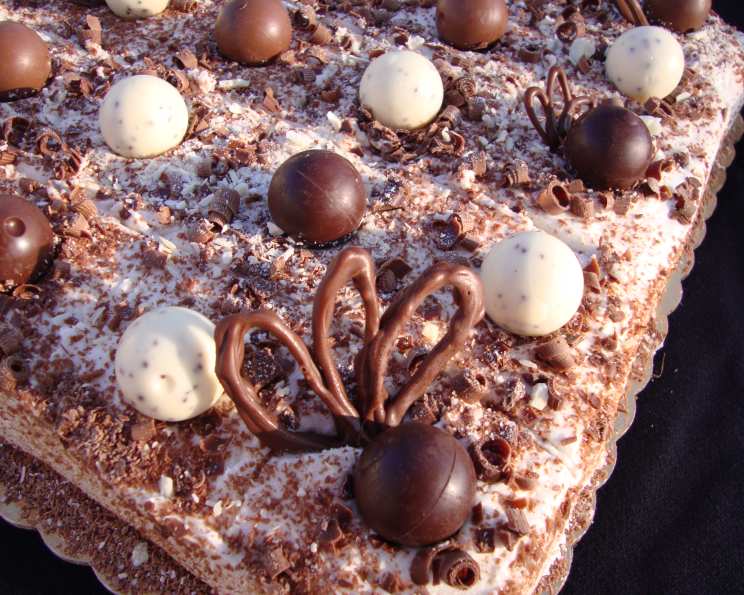
The Enduring Elegance of Waldorf Astoria Frosting
I remember my grandmother’s kitchen, a warm and inviting space filled with the comforting aroma of vanilla and sugar. She always baked a simple two-layer cake for our birthdays, nothing fancy, but the frosting… that was pure magic. It was incredibly light, almost ethereal, yet rich and decadent all at once. Only years later did I discover her secret: a treasured recipe for Waldorf Astoria Frosting, passed down through generations, a testament to simple ingredients transformed into something extraordinary.
Recipe Overview
- Prep Time: 15 minutes
- Cook Time: 5 minutes
- Total Time: 20 minutes
- Servings: 8-10
- Yield: Enough frosting for a 2-layer cake
- Dietary Type: Not specified (contains dairy and potentially shortening)
Ingredients
- 1 cup milk
- ¼ cup flour
- ½ cup margarine
- ½ cup shortening
- 1 cup granulated sugar
- 1 teaspoon vanilla extract
Equipment Needed
- Saucepan
- Whisk
- Mixing bowl
- Electric mixer
- Rubber spatula
Instructions
- In a medium saucepan, thoroughly combine the milk and flour using a whisk. Ensure there are no lumps for the smoothest possible frosting base.
- Place the saucepan over medium heat and cook, stirring constantly with the whisk. This prevents scorching and ensures the mixture thickens evenly.
- Continue cooking and stirring until the mixture becomes very thick, resembling a pudding-like consistency. This should take approximately 3-5 minutes.
- Remove the saucepan from the heat and allow the mixture to cool completely. It is crucial that the milk mixture is completely cool before proceeding to the next steps to prevent melting the fats and creating a runny frosting.
- In a separate mixing bowl, cream together the margarine, shortening, and granulated sugar using an electric mixer. Beat on medium speed until the mixture is light and fluffy. This process incorporates air, which contributes to the light texture of the frosting.
- Once the milk mixture has fully cooled, gradually add it to the creamed mixture in the mixing bowl.
- Beat the combined ingredients on medium-high speed until the frosting is incredibly light and fluffy, usually for 2-3 minutes. The frosting will increase in volume and become noticeably lighter in color.
- Stir in the vanilla extract.
- Frost your cooled cake with the Waldorf Astoria Frosting. This recipe yields enough frosting for a standard two-layer cake.
Expert Tips & Tricks
- Cooling is Key: Patience is vital when cooling the milk and flour mixture. If you try to combine it with the fats while it’s still warm, the margarine and shortening will melt, resulting in a thin, soupy frosting. To speed up the cooling process, transfer the mixture to a shallow dish and place it in the refrigerator for a short period.
- Room Temperature Fats: Ensure your margarine and shortening are at room temperature. This will allow them to cream together more easily and create a smoother, more voluminous frosting.
- Adjusting Sweetness: If you prefer a less sweet frosting, you can slightly reduce the amount of sugar, but be mindful that it also contributes to the frosting’s structure. Start by reducing it by 1/4 cup.
- Reviving Thin Frosting: If your frosting becomes too thin, try chilling it in the refrigerator for about 30 minutes. The fats will solidify slightly, helping to thicken the frosting. You can also try adding a tablespoon of powdered sugar at a time until you reach the desired consistency.
- Flavor Variations: While classic vanilla is divine, don’t be afraid to experiment! A tiny pinch of salt can enhance the sweetness. You could also substitute the vanilla extract with other extracts like almond, lemon, or even a touch of peppermint for a festive twist.
Serving & Storage Suggestions
This Waldorf Astoria Frosting is best used immediately after making it. However, if you have leftovers, you can store them in an airtight container in the refrigerator for up to 3 days. Before using refrigerated frosting, allow it to come to room temperature and then whip it again with an electric mixer to restore its light and fluffy texture. Due to the ingredients used, this frosting is not recommended for freezing, as it can affect the texture upon thawing. Frosting a cake? Make sure the cake is completely cool before frosting to prevent melting.
Nutritional Information
Please note that nutritional information is an estimate and can vary based on specific ingredients and portion sizes.
| Nutrient | Amount per Serving | % Daily Value |
|---|---|---|
| Calories | 275 kcal | 14% |
| Total Fat | 18g | 28% |
| Saturated Fat | 8g | 40% |
| Cholesterol | 0mg | 0% |
| Sodium | 15mg | 1% |
| Total Carbohydrate | 28g | 9% |
| Dietary Fiber | 0g | 0% |
| Sugars | 22g | N/A |
| Protein | 1g | 2% |
Variations & Substitutions
- Dairy-Free Option: Substitute the milk with unsweetened almond milk or soy milk. Use a vegan margarine or a solid coconut oil in place of the margarine and shortening. Be aware that the taste and texture may be slightly different.
- Reduced Fat: While it will alter the texture, you could experiment with using a whipped butter substitute in place of some of the margarine and shortening. Be sure to monitor the consistency carefully.
- Lemon Infusion: Add the zest of one lemon to the creamed mixture for a bright, citrusy flavor.
- Chocolate Delight: Incorporate 2 tablespoons of unsweetened cocoa powder into the dry ingredients (flour) for a chocolate version.
- Spice it Up: During the holidays, a pinch of cinnamon or nutmeg can add a warm and festive touch.
FAQs (Frequently Asked Questions)
Q: Why is it important to cool the milk mixture completely?
A: If the milk mixture is not cooled before adding it to the creamed fats, the heat will melt the margarine and shortening, resulting in a runny and unusable frosting.
Q: Can I use butter instead of margarine and shortening?
A: Yes, you can use all butter, but the frosting may not be as stable at room temperature. Shortening helps provide structure and stability.
Q: My frosting is too sweet. What can I do?
A: You can add a pinch of salt or a few drops of lemon juice to balance the sweetness. You could also reduce the sugar by 1/4 cup in the next batch.
Q: How can I make my frosting smoother?
A: Ensure the milk and flour mixture is completely smooth and lump-free before cooking. Also, beat the frosting for a longer period to incorporate more air and create a smoother texture.
Q: Can I add food coloring to this frosting?
A: Yes, you can add gel food coloring for a vibrant look. Add it gradually until you achieve your desired color.
Final Thoughts
This Waldorf Astoria Frosting is more than just a topping; it’s a piece of culinary history and a testament to the magic of simple ingredients. Don’t be intimidated by the process – it’s surprisingly straightforward, and the results are well worth the effort. I encourage you to give this recipe a try, and I’m confident it will become a cherished favorite in your own kitchen, just as it has in mine. Perhaps you’ll pair it with a classic vanilla cake, or maybe a rich chocolate one – either way, the combination will be simply unforgettable. Feel free to share your creations and experiences! I can’t wait to hear how it turns out for you. Happy baking!