
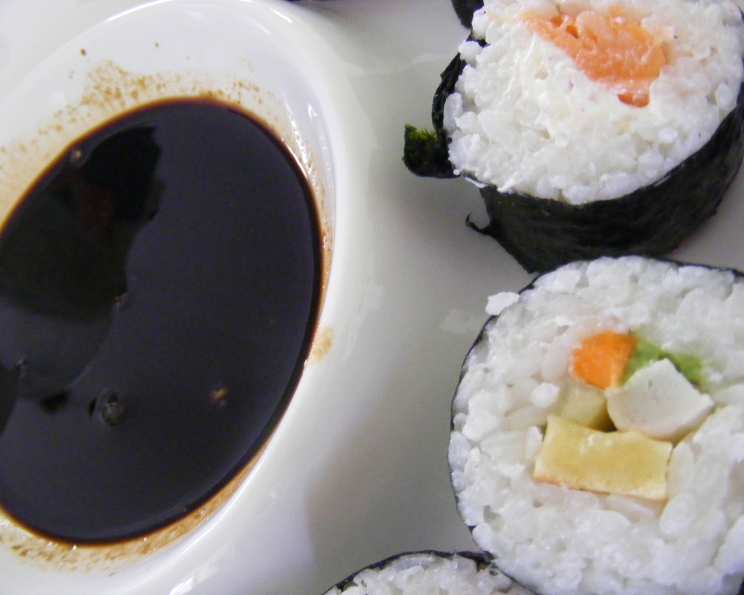
Elevate Your Culinary Creations with Wasabi Soy Dipping Sauce
There’s a certain electric thrill I get whenever I recreate a dish from a memorable experience. I remember vividly the first time I encountered the perfect wasabi soy dipping sauce. I was at a tiny sushi bar tucked away in Tokyo’s Ginza district. The chef, a stoic but kind man, presented me with a delicate plate of nigiri. The fish, of course, was exquisite, but what truly elevated the experience was the accompanying sauce – a vibrant green-flecked blend that danced on my tongue with salty umami and a fiery kick. It was so simple, yet so profound, and I’ve been chasing that flavor ever since. This recipe brings me pretty darn close!
Recipe Overview
- Prep Time: 2 minutes
- Cook Time: 0 minutes
- Total Time: 2 minutes
- Servings: 3/4 cup
- Yield: Approximately 3/4 cup
- Dietary Type: Vegan, Gluten-Free (depending on soy sauce used)
Ingredients
- ¾ cup soy sauce (use tamari for gluten-free)
- 1 teaspoon wasabi (paste or powder)
Equipment Needed
- Small bowl
- Fork or whisk
Instructions
- In a small bowl, pour in ¾ cup of your preferred soy sauce. For a gluten-free option, be sure to use tamari instead.
- Add 1 teaspoon of wasabi to the soy sauce. You can use either wasabi paste or wasabi powder. If using wasabi powder, you might want to add a tiny drop of water to it first to form a paste, which will help it incorporate more smoothly into the soy sauce.
- Using a fork or a small whisk, thoroughly combine the soy sauce and wasabi. Whisk vigorously until the wasabi is evenly distributed throughout the soy sauce. There should be no clumps of wasabi remaining.
- Taste the sauce and adjust the wasabi to your preference. If you prefer a milder sauce, start with a smaller amount of wasabi (½ teaspoon) and increase it gradually. If you like a stronger kick, add a bit more wasabi, a quarter teaspoon at a time, until you reach your desired level of heat.
- Serve immediately or store in an airtight container in the refrigerator.
Expert Tips & Tricks
- Wasabi Quality Matters: The quality of your wasabi will significantly impact the flavor of the sauce. Freshly grated wasabi root is ideal, but high-quality wasabi paste or powder is a good substitute. Avoid artificially colored or flavored wasabi, as it can have a chemical aftertaste.
- Soy Sauce Selection: Different types of soy sauce will create slightly different flavor profiles. Regular soy sauce is a good all-purpose choice, while low-sodium soy sauce allows the wasabi flavor to shine through more prominently. Dark soy sauce will add richness and depth but can overpower the wasabi if used in large quantities.
- Bloom the Wasabi: If using wasabi powder, “blooming” it with a tiny bit of water (just enough to form a paste) before adding it to the soy sauce will intensify its flavor and prevent it from clumping. Let the paste sit for a minute or two before incorporating it.
- Spice Level Control: Wasabi heat dissipates over time. If you’re making the sauce ahead of time, consider adding a little extra wasabi to compensate for the loss of pungency. Conversely, if you’re sensitive to spice, prepare the sauce a few hours in advance to allow the heat to mellow.
- Emulsifying for Smoothness: For an extra-smooth sauce, whisk in a tiny drop of sesame oil. This will help to emulsify the ingredients and create a more cohesive texture. Be cautious not to add too much, as sesame oil has a strong flavor.
Serving & Storage Suggestions
This wasabi soy dipping sauce is incredibly versatile and can be used with a wide range of dishes. It’s a classic accompaniment to sushi, sashimi, and nigiri. It also pairs beautifully with spring rolls, rice paper rolls, gyoza, and other Asian-inspired appetizers.
For a more creative application, try using it as a marinade for grilled chicken or fish, or as a dressing for a refreshing Asian slaw. A small drizzle can also add a surprising kick to steamed vegetables or even a simple bowl of rice.
To store, transfer the dipping sauce to an airtight container and refrigerate. It will keep for up to a week, although the wasabi flavor will gradually diminish over time. It is not recommended to freeze this sauce, as the texture and flavor may be compromised.
Nutritional Information
Note: Nutritional information is an estimate and can vary based on specific ingredients used.
| Nutrient | Amount per Serving | % Daily Value |
|---|---|---|
| Calories | 25 kcal | 1% |
| Total Fat | 0g | 0% |
| Saturated Fat | 0g | 0% |
| Cholesterol | 0mg | 0% |
| Sodium | 900mg | 38% |
| Total Carbohydrate | 2g | 1% |
| Dietary Fiber | 0g | 0% |
| Sugars | 1g | |
| Protein | 2g | 4% |
Variations & Substitutions
- Spicy Sesame Wasabi Sauce: Add 1 teaspoon of sesame oil, ½ teaspoon of chili garlic sauce, and a pinch of red pepper flakes for extra heat and depth of flavor.
- Yuzu Wasabi Sauce: Incorporate 1 tablespoon of yuzu juice or zest for a citrusy and aromatic twist. Yuzu is a Japanese citrus fruit with a unique flavor profile.
- Ginger Wasabi Sauce: Grate a small amount of fresh ginger (about ½ teaspoon) into the sauce for a warm and spicy undertone.
- Miso Wasabi Sauce: Whisk in 1 teaspoon of white miso paste for added umami and a slightly sweet flavor.
- Honey Wasabi Sauce: Add ½ teaspoon of honey for a touch of sweetness to balance the spiciness of the wasabi.
- Vegan Options: Ensure the soy sauce you use is vegan-friendly. Some soy sauces may contain additives that are not vegan.
FAQs (Frequently Asked Questions)
Q: Can I make this sauce ahead of time?
A: Yes, you can! However, the wasabi flavor will mellow over time, so consider adding a bit more wasabi if you plan to make it more than a few hours in advance.
Q: Can I use fresh wasabi root instead of paste or powder?
A: Absolutely! Freshly grated wasabi root is the best option for flavor, but it can be difficult to find. If you can get your hands on some, use a microplane to grate it finely and add it to the soy sauce.
Q: How long does this sauce last in the refrigerator?
A: The sauce will keep for up to a week in the refrigerator, but the wasabi flavor will diminish over time.
Q: Can I use this sauce for anything besides dipping?
A: Yes! It’s great as a marinade, salad dressing, or even drizzled over steamed vegetables.
Q: What if I don’t like wasabi? Can I substitute something else?
A: If you’re not a fan of wasabi, you can try substituting a small amount of grated ginger or a pinch of red pepper flakes for a different kind of heat.
Final Thoughts
This simple wasabi soy dipping sauce is a testament to the power of quality ingredients and balanced flavors. It’s an effortless way to elevate your favorite dishes, adding a touch of Japanese-inspired flair to everything from sushi to grilled meats. I urge you to try it! Experiment with the variations, adjust the wasabi to your liking, and discover how this unassuming sauce can transform your culinary creations. And please, share your experience and feedback – I’d love to hear how you make this recipe your own. Consider pairing it with a crisp, dry sake for an authentic Japanese dining experience.