
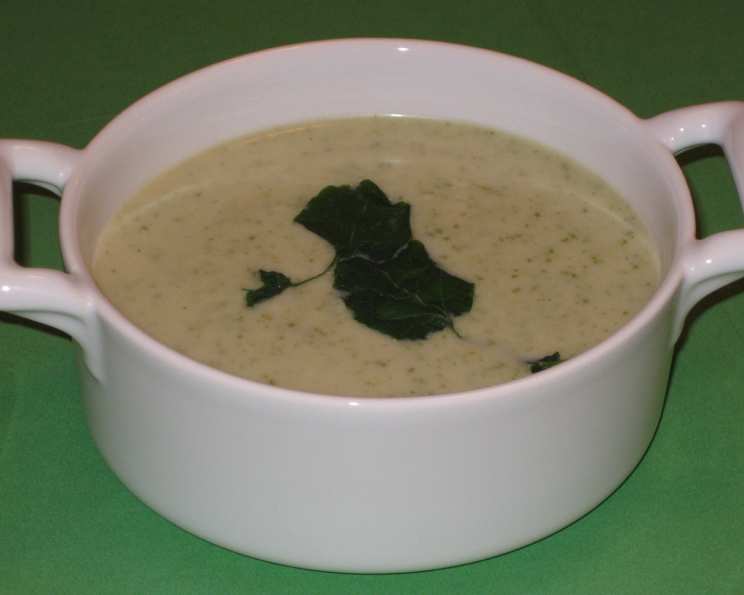
Watercress Soup: A Culinary Ode to Simplicity (Julia Child Inspired)
The memory is as clear as the perfectly strained broth itself. It was a chilly spring evening, the kind where the air still held the bite of winter despite the burgeoning blossoms outside. My grandmother, a woman whose kitchen was her sanctuary and whose food was her love language, ladled a vibrant green soup into earthenware bowls. The peppery aroma of watercress filled the air, a stark contrast to the grey skies beyond the window. She smiled, a knowing glint in her eye, and simply said, “Try this, darling. It will warm you from the inside out.” That first spoonful, velvety and subtly spicy, did just that, leaving an indelible mark on my culinary soul. It was a simple soup, yet it held a depth of flavor that spoke of fresh ingredients and careful preparation – a lesson I’ve carried with me throughout my cooking journey.
Recipe Overview
- Prep Time: 15 minutes
- Cook Time: 45-55 minutes
- Total Time: 1 hour – 1 hour 10 minutes
- Servings: 4-6
- Yield: About 2 quarts
- Dietary Type: Vegetarian (can be vegan with substitutions)
Ingredients
- 1 lb potato, peeled and diced (or leave skins on, if preferred)
- 3 cups leeks, thinly sliced (white and tender green parts only)
- 2 quarts water
- 1 tablespoon salt
- 1 cup watercress leaves and tender stems, packed
- 4-6 tablespoons whipping cream or 2-3 tablespoons softened butter (optional)
Equipment Needed
- Large pot or Dutch oven
- Measuring cups and spoons
- Cutting board
- Knife
- Blender or immersion blender (optional)
- Fork or potato masher
Instructions
- Prepare the vegetables: Peel and dice the potato. Wash the leeks thoroughly and thinly slice them, using only the white and tender green parts.
- Combine and Simmer: In a large pot or Dutch oven, combine the diced potato, sliced leeks, water, and salt.
- Cook: Bring the mixture to a simmer over medium heat. Partially cover the pot and cook for 40-50 minutes, or until the vegetables are very tender. Check periodically to ensure the soup is not boiling too vigorously, and adjust the heat as needed.
- Add Watercress: Pack the watercress leaves and tender stems into a measuring cup to ensure accurate measurement. Stir the watercress into the soup.
- Simmer Watercress: Continue to simmer the soup for 5 minutes, allowing the watercress to wilt and infuse its flavor into the broth.
- (Optional Garnish): While the watercress is simmering, you can prepare an optional garnish: a small handful of watercress leaves boiled for 30 seconds, rinsed in cold water, and drained. This intensifies the green color and provides a textural contrast.
- Puree or Mash: Remove the pot from the heat. You can either mash the vegetables directly in the soup using a fork or potato masher for a rustic texture, or puree the soup in a blender or with an immersion blender for a smoother consistency. If using a blender, be extremely careful when blending hot liquids; vent the lid to prevent pressure buildup.
- Adjust Seasoning: Taste the soup and adjust the seasoning as needed. Add more salt, if necessary, or a pinch of black pepper to enhance the flavors.
- Enrich the Soup (Optional): Off the heat, and just before serving, stir in either the whipping cream or softened butter by spoonfuls. Start with the smaller amount and add more to taste, until the desired richness is achieved. This step is optional but adds a luxurious velvety texture to the soup.
- Garnish and Serve: Ladle the soup into bowls and garnish with the optional boiled watercress leaves. Serve immediately and enjoy!
Expert Tips & Tricks
- Leek Preparation is Key: Leeks tend to trap dirt and sand between their layers. Thoroughly wash them after slicing by submerging them in a bowl of cold water and agitating them with your hands. The dirt will sink to the bottom.
- Potato Choice Matters: While any potato will work, Yukon Gold potatoes lend a creamy texture to the soup. Russet potatoes will create a slightly starchier soup.
- Don’t Overcook the Watercress: Watercress can become bitter if overcooked. The short simmering time is all it needs to release its peppery flavor.
- For a Vegan Option: Substitute the whipping cream or butter with a plant-based cream or a drizzle of high-quality olive oil.
- Make-Ahead Tip: The soup can be made a day or two in advance. Store it in the refrigerator and reheat gently before serving. Add the cream or butter just before serving to maintain the best texture.
- Adjusting Consistency: If the soup is too thick, add a little more water or vegetable broth to thin it out. If it’s too thin, simmer it uncovered for a few minutes to reduce the liquid.
Serving & Storage Suggestions
Watercress soup is best served hot, garnished with a swirl of cream, a sprig of fresh watercress, or a sprinkle of freshly ground black pepper. It can be enjoyed as a light lunch, a first course, or a comforting supper.
Leftover soup should be cooled completely before storing it in an airtight container in the refrigerator. It will keep for 3-4 days. The soup can also be frozen for up to 2-3 months. Thaw it overnight in the refrigerator before reheating. Reheat gently on the stovetop over medium-low heat, stirring occasionally, until heated through. Avoid boiling the soup during reheating, as this can affect its texture.
Nutritional Information
(Note: Nutritional information is an estimate and may vary based on specific ingredients and portion sizes.)
| Nutrient | Amount per Serving | % Daily Value |
|---|---|---|
| Calories | 220 kcal | 11% |
| Total Fat | 12g | 18% |
| Saturated Fat | 7g | 35% |
| Cholesterol | 30mg | 10% |
| Sodium | 800mg | 35% |
| Total Carbohydrate | 25g | 8% |
| Dietary Fiber | 4g | 16% |
| Sugars | 5g | – |
| Protein | 4g | 8% |
Variations & Substitutions
- Potato Variations: Try using sweet potatoes for a slightly sweeter soup with a vibrant orange color.
- Spice it Up: Add a pinch of red pepper flakes or a dash of hot sauce for a touch of heat.
- Herbaceous Twist: Incorporate other fresh herbs like chives, parsley, or dill for added flavor complexity.
- Lemon Zest: A small amount of lemon zest added just before serving can brighten the soup’s flavor.
- Dairy-Free Option: Use coconut cream or cashew cream for a rich and creamy vegan alternative to whipping cream.
- Seasonal Adaptations: In the fall, add roasted butternut squash for a heartier soup. In the summer, use baby spinach instead of watercress for a milder flavor.
FAQs (Frequently Asked Questions)
Q: Can I use dried leeks instead of fresh leeks?
A: While fresh leeks are preferred for their flavor, you can use dried leeks in a pinch. Use about 1 tablespoon of dried leeks for every cup of fresh leeks.
Q: Can I make this soup ahead of time?
A: Yes, this soup can be made a day or two in advance. Store it in the refrigerator and reheat gently before serving. Add the cream or butter just before serving to maintain the best texture.
Q: I don’t have watercress. What can I substitute?
A: If you can’t find watercress, you can substitute arugula or spinach. Keep in mind that the flavor will be slightly different.
Q: How do I prevent the soup from curdling when I add the cream?
A: To prevent curdling, make sure the soup is not boiling when you add the cream. Temper the cream by whisking a small amount of the hot soup into the cream before adding it to the pot.
Q: Is this soup suitable for freezing?
A: Yes, this soup can be frozen for up to 2-3 months. Thaw it overnight in the refrigerator before reheating. The texture may change slightly after freezing, but it will still be delicious.
Final Thoughts
This watercress soup, inspired by Julia Child’s timeless approach to cooking, is more than just a recipe; it’s an invitation to embrace simplicity and celebrate the beauty of fresh, seasonal ingredients. I encourage you to try your hand at this culinary gem, experiment with variations, and share your feedback. Whether you enjoy it on a chilly evening or a warm summer day, I hope this soup brings you the same warmth and comfort it has brought me for so many years. Pair it with a crusty loaf of bread and a crisp white wine for a truly delightful meal. Happy cooking!