
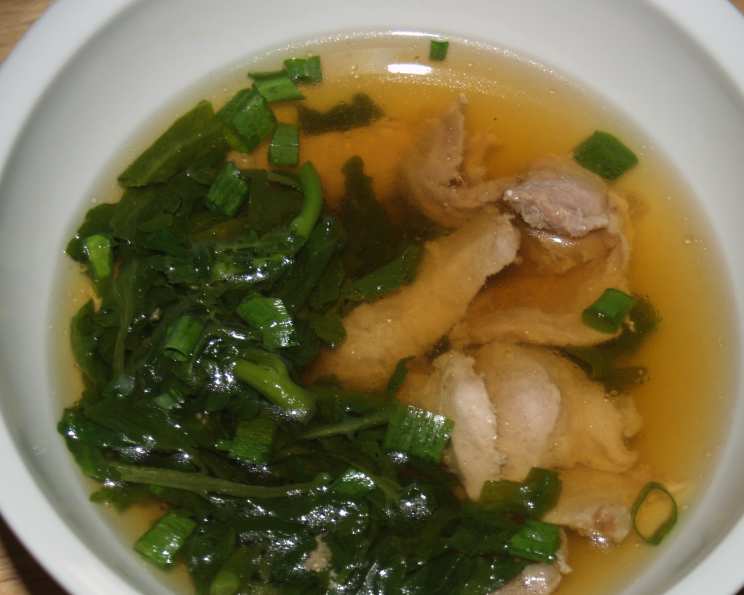
Emerald Elixir: A Journey into Watercress Soup
I remember my first encounter with watercress soup. It was a surprisingly chilly spring evening in the Cotswolds, and I had wandered into a tiny pub seeking warmth and sustenance. The chalkboard menu, scrawled in elegant cursive, offered “Watercress Soup, Locally Sourced.” Intrigued, I ordered a bowl. The vibrant green liquid that arrived, fragrant with the peppery tang of watercress, was a revelation. It was more than just soup; it was a taste of the English countryside, distilled into a single, comforting bowl. From that moment on, I was hooked, determined to recreate that verdant magic in my own kitchen.
Recipe Overview
- Prep Time: 10 minutes
- Cook Time: 35 minutes
- Total Time: 45 minutes
- Servings: 4
- Yield: 4 bowls
- Dietary Type: Generally Gluten-Free, Dairy-Free (check stock ingredients)
Ingredients
- 1/4 cup lean pork, sliced thin
- 5 cups water (or chicken stock)
- 1/2 teaspoon salt
- 4 cups watercress, cut into 2-inch pieces
- 1 stalk green onion, chopped
Equipment Needed
- Large pot or saucepan
- Sharp knife
- Cutting board
Instructions
- Begin by thoroughly washing the watercress. It’s important to remove any grit or sand. Keep the watercress tips separate from the stems. The tips are more delicate and will be added later.
- In a large pot or saucepan, combine the water (or chicken stock), salt, and sliced pork. Bring the mixture to a simmer over medium heat.
- Allow the soup to simmer gently for 30 minutes, allowing the pork to infuse its flavor into the broth. This slow simmering is crucial for developing a rich, savory base.
- After 30 minutes, add the watercress stems to the pot. Boil the soup for 1 minute. Boiling the stems first helps to soften them slightly and release their flavor without overcooking the delicate tips.
- Add the watercress tips to the pot and boil for another 1 minute. Be careful not to overcook the tips, as they will become bitter. The brief boiling time is all they need to wilt slightly and retain their vibrant color and peppery taste.
- Remove from heat.
- Serve the soup hot, garnished with freshly chopped green onion. The green onion adds a final touch of freshness and visual appeal.
Expert Tips & Tricks
- Stock Selection: While this recipe calls for water, using chicken stock will significantly enhance the depth of flavor. Vegetable stock also works well for a vegetarian version.
- Pork Preparation: Thinly slicing the pork is key to allowing its flavor to permeate the broth quickly. You can also use leftover cooked pork, adding it at the same time as the watercress stems.
- Watercress Quality: Fresh, vibrant watercress is essential for this soup. Look for bunches with deep green leaves and firm stems. Avoid any watercress that appears wilted or yellowed.
- Adjusting Seasoning: Taste the soup before serving and adjust the salt as needed. The amount of salt required will depend on the saltiness of your stock (if using).
- Blending for Creaminess: For a smoother, creamier soup, you can use an immersion blender to partially blend the soup after cooking. Be careful not to over-blend, as this can make the soup gluey.
- Intensifying the Flavor: A small squeeze of lemon juice or a dash of white wine vinegar added just before serving can brighten the flavors and add a subtle tang.
Serving & Storage Suggestions
Serve the watercress soup hot, ideally as a starter or light lunch. The bright green color and peppery flavor make it an appealing and refreshing dish. Garnish with a sprinkle of freshly chopped green onions or a swirl of cream (dairy or non-dairy, depending on dietary needs) for an extra touch of elegance.
Leftover soup can be stored in an airtight container in the refrigerator for up to 2 days. Reheat gently on the stovetop over medium-low heat, stirring occasionally, until heated through. Be careful not to boil the soup during reheating, as this can cause the watercress to become bitter.
While freezing is not recommended due to potential changes in texture, if you must freeze the soup, do so in individual portions for easier thawing and reheating. Thaw completely in the refrigerator before reheating.
Nutritional Information
| Nutrient | Amount per Serving | % Daily Value |
|---|---|---|
| Calories | 75 kcal | 4% |
| Total Fat | 3g | 5% |
| Saturated Fat | 1g | 5% |
| Cholesterol | 15mg | 5% |
| Sodium | 350mg | 15% |
| Total Carbohydrate | 5g | 2% |
| Dietary Fiber | 2g | 7% |
| Sugars | 1g | 0% |
| Protein | 7g | 14% |
Nutritional information is an estimate and may vary based on specific ingredients and portion sizes.
Variations & Substitutions
- Vegetarian/Vegan: Omit the pork entirely or substitute with a smoked tofu or tempeh for a similar savory flavor. Ensure you are using vegetable stock.
- Creamy Watercress Soup: Add a splash of cream (dairy or non-dairy) or a swirl of coconut milk at the end for a richer, creamier texture.
- Spicy Watercress Soup: Add a pinch of red pepper flakes or a dash of hot sauce for a touch of heat.
- Potato Watercress Soup: Add a diced potato to the soup along with the watercress stems for a heartier, more substantial meal.
- Seasonal Variation: In the spring, try adding a few asparagus tips along with the watercress. In the fall, consider adding some roasted butternut squash for a touch of sweetness.
- Herbal Infusion: Infuse the broth with fresh herbs like thyme or rosemary for added depth of flavor. Simply tie a bundle of herbs together with kitchen twine and add it to the pot while the soup is simmering. Remove the herb bundle before adding the watercress.
FAQs (Frequently Asked Questions)
Q: Can I use dried watercress?
A: Fresh watercress is highly recommended for the best flavor and texture. Dried watercress will not provide the same vibrant color or peppery bite.
Q: Is watercress soup good for you?
A: Yes! Watercress is packed with vitamins, minerals, and antioxidants. This soup is a healthy and delicious way to incorporate more greens into your diet.
Q: Can I make this soup ahead of time?
A: While the soup is best served fresh, you can prepare the broth (without the watercress) up to 2 days in advance. Add the watercress just before serving.
Q: I don’t have green onions. What can I substitute?
A: Chives or thinly sliced scallions make a great substitute for green onions.
Q: My watercress soup tastes bitter. What did I do wrong?
A: Overcooking the watercress can cause it to become bitter. Be sure to only boil the tips for 1 minute.
Final Thoughts
This watercress soup is more than just a recipe; it’s an invitation to embrace the vibrant flavors of spring and the comforting simplicity of home cooking. I urge you to try it, experiment with different variations, and make it your own. Whether you serve it as a light lunch, a sophisticated starter, or a comforting supper, I hope this emerald elixir brings a touch of warmth and joy to your table. And please, share your experiences and any creative twists you discover along the way! Bon appétit!