
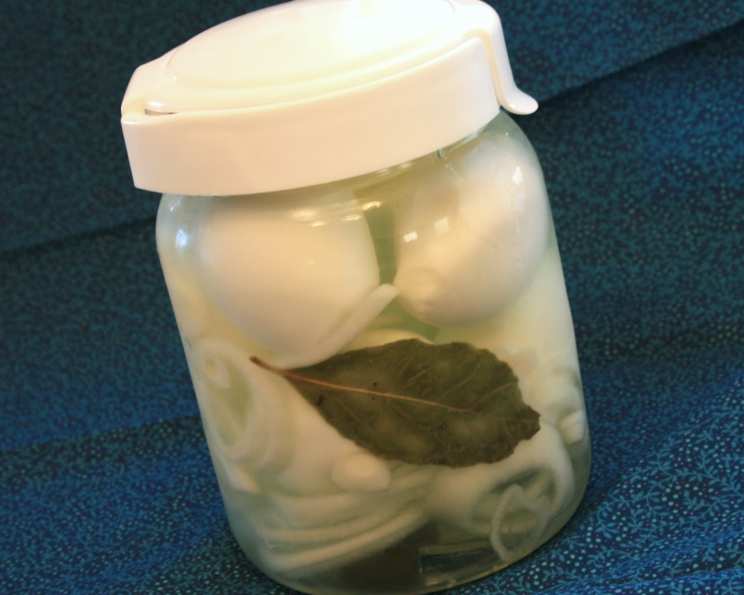
Wayne’s Pickled Eggs: A Culinary Time Capsule
I can still vividly remember the scent of vinegar and spice wafting from my grandmother’s pantry. Nestled amongst the jars of homemade jams and preserves were always a few containers of her pickled eggs. As a child, I was never quite sure about them – the slightly rubbery texture and the pungent flavor were a little intimidating. But my grandfather, Wayne, absolutely adored them. He’d eat them straight from the jar, a look of pure bliss on his face. This recipe, christened “Wayne’s Pickled Eggs” in my family, is a tribute to him and those memories, a culinary time capsule that brings me right back to that pantry.
Recipe Overview
- Prep Time: 15 minutes
- Cook Time: 5 minutes
- Total Time: 3+ days (includes pickling time)
- Servings: 12
- Yield: 12 eggs
- Dietary Type: Varies (not inherently vegan, vegetarian, or gluten-free)
Ingredients
- 12 eggs, hard-boiled and shelled
- 2 bay leaves
- 1 onion, sliced
- 2 garlic cloves, sliced
- 2 cups vinegar (white or apple cider vinegar work best)
- 1 cup water
- ½ tablespoon coarse salt (kosher or sea salt)
Equipment Needed
- Large saucepan
- Glass jar or container with a tight-fitting lid (quart-sized is ideal)
Instructions
-
Begin by ensuring your eggs are perfectly hard-boiled. Place the eggs in a saucepan and cover them with cold water. Bring the water to a rolling boil, then immediately remove the pan from the heat and cover it. Let the eggs sit in the hot water for 10-12 minutes. Transfer the eggs to an ice bath to stop the cooking process and make them easier to peel. Shell the eggs carefully, avoiding tearing the surface.
-
In a large saucepan, combine the vinegar, water, and salt. Bring the mixture to a boil over medium-high heat. Once boiling, remove the pan from the heat and set the liquid aside to cool slightly. This ensures the salt is fully dissolved and the vinegar is properly diluted.
-
Prepare your pickling jar. Place the bay leaves, sliced onions, and sliced garlic cloves in the bottom of the jar. These aromatics will infuse the eggs with their distinct flavors.
-
Carefully arrange the hard-boiled eggs in the jar on top of the aromatics. Try to pack them neatly without overcrowding.
-
Slowly pour the boiled vinegar mixture over the eggs, ensuring they are completely submerged. If needed, you can add a little more vinegar and water, maintaining the 2:1 ratio, to fully cover the eggs.
-
Allow the jar to rest until it reaches room temperature. This is crucial before refrigerating to prevent condensation inside the jar.
-
Securely twist the lid onto the jar and refrigerate for at least 3 days before eating. This allows the eggs to fully absorb the pickling flavors. The longer they sit, the more intense the flavor will become.
Expert Tips & Tricks
- Perfectly Peeled Eggs: To ensure easy peeling, add a teaspoon of baking soda to the water when boiling the eggs. This helps to loosen the shell from the egg white.
- Preventing Discoloration: Sometimes, the yolks of pickled eggs can develop a greenish tint. This is a harmless chemical reaction between the sulfur in the egg white and the iron in the yolk. To minimize this, avoid overcooking the eggs and cool them quickly in an ice bath.
- Flavor Infusion: For a more intense flavor, gently prick the eggs with a toothpick before adding them to the brine. This allows the pickling liquid to penetrate further.
- Spice It Up: Add a pinch of red pepper flakes to the brine for a spicy kick. A teaspoon of mustard seeds or a few whole peppercorns can also add depth of flavor.
Serving & Storage Suggestions
Wayne’s Pickled Eggs are a fantastic snack, appetizer, or addition to a charcuterie board. Serve them chilled straight from the jar. They pair well with crackers, cheese, and crusty bread. They can also be sliced and added to salads or deviled egg preparations for a tangy twist.
Stored properly in the refrigerator, Wayne’s Pickled Eggs will last for up to 2 weeks. Ensure the eggs remain fully submerged in the pickling liquid. They are not suitable for freezing.
Nutritional Information
Note: Nutritional information is an estimate and may vary based on specific ingredients and portion sizes.
| Nutrient | Amount per Serving | % Daily Value |
|---|---|---|
| Calories | 70 kcal | 4% |
| Total Fat | 5g | 6% |
| Saturated Fat | 2g | 10% |
| Cholesterol | 185mg | 62% |
| Sodium | 220mg | 9% |
| Total Carbohydrate | 1g | 0% |
| Dietary Fiber | 0g | 0% |
| Sugars | 0g | 0% |
| Protein | 6g | 12% |
Variations & Substitutions
- Spicy Pickled Eggs: Add sliced jalapenos, a dash of hot sauce, or a pinch of cayenne pepper to the brine for a spicy kick.
- Sweet Pickled Eggs: Add a tablespoon or two of sugar to the brine for a sweeter flavor profile.
- Beet Pickled Eggs: Add a sliced cooked beet to the jar for vibrant pink eggs with a slightly earthy flavor.
- Herbed Pickled Eggs: Add fresh herbs like dill, thyme, or rosemary to the jar for a more aromatic flavor.
- Different Vinegars: Experiment with different types of vinegar, such as malt vinegar or red wine vinegar, to create unique flavor profiles. Keep in mind that the acidity level should be consistent to ensure proper preservation.
FAQs (Frequently Asked Questions)
Q: Can I use brown eggs instead of white eggs?
A: Absolutely! Brown eggs and white eggs have the same nutritional value and will pickle equally well. The only difference is the shell color.
Q: How long do the eggs need to pickle before they are ready to eat?
A: While you can technically eat them after 3 days, the flavor will continue to develop over time. For the best flavor, I recommend pickling them for at least a week.
Q: Can I reuse the pickling brine?
A: No, it’s not recommended to reuse pickling brine due to potential bacterial contamination. It’s best to discard the brine after the eggs have been consumed.
Q: My pickled eggs turned out rubbery. What did I do wrong?
A: Overcooking the eggs before pickling can result in a rubbery texture. Be sure to follow the recommended boiling time and cool the eggs quickly in an ice bath.
Q: Can I add other vegetables to the pickling jar?
A: Yes, you can add other vegetables like sliced carrots, bell peppers, or cucumbers to the jar for added flavor and texture. Just be sure to clean and prepare them properly.
Final Thoughts
Wayne’s Pickled Eggs are more than just a recipe; they’re a connection to the past, a taste of home, and a reminder of the simple joys in life. I hope this recipe inspires you to create your own culinary memories and share them with loved ones. Don’t be afraid to experiment with different flavors and ingredients to make this recipe your own. And, of course, let me know how they turn out! I’d love to hear your feedback and variations. Serve these tangy treasures alongside a crisp pilsner or a robust rye bread for a truly satisfying experience. Enjoy!