
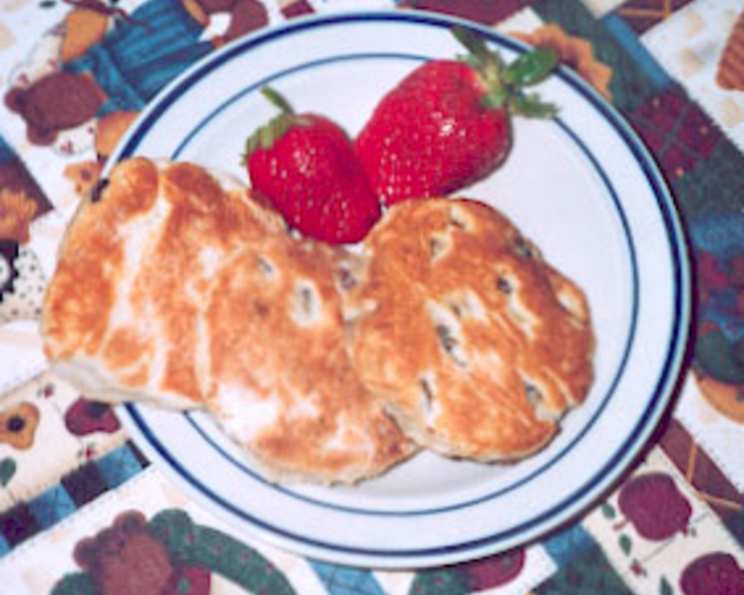
Welsh Cakes: A Taste of Tradition
The scent of warm, spiced cakes always transports me back to my grandmother’s cozy kitchen in Cardiff. As a child, perched on a stool beside her aga, I’d watch mesmerized as she deftly flipped these golden rounds on the griddle, the air thick with the sweet aroma of raisins and vanilla. Each bite was a comforting hug, a taste of heritage and love that I’ve cherished ever since. Now, recreating her Welsh cakes is my way of keeping that memory alive and sharing a piece of my family’s history with others.
Recipe Overview
- Prep Time: 15 minutes
- Cook Time: 5 minutes per batch
- Total Time: 20 minutes
- Yields: 20-25 cakes
- Dietary Type: Not specified
Ingredients
- 2/3 cup sugar
- 2 cups flour
- 1 egg
- 1 teaspoon baking powder
- 1/2 teaspoon vanilla
- 1/2 cup shortening or 1/2 cup margarine
- 1/2 cup milk
- 1 cup raisins
Equipment Needed
- Large mixing bowl
- Sifter
- Rolling pin
- Round cookie cutter or drinking glass (approximately 3 inches in diameter)
- Frying pan or griddle
- Spatula
Instructions
-
Begin by sifting together the dry ingredients. In a large mixing bowl, thoroughly sift together the flour, sugar, and baking powder. This step ensures that the ingredients are evenly distributed and helps to create a light and tender cake.
-
Cut in the shortening or margarine. Using a pastry blender or your fingertips, cut the shortening or margarine into the dry ingredients until the mixture resembles coarse crumbs. This process is crucial for creating a flaky texture in the final product. You want small pieces of fat dispersed throughout the flour mixture.
-
Add the wet ingredients and raisins. In the same bowl, add the milk, vanilla, egg, and raisins.
-
Mix well. Using a wooden spoon or a spatula, mix the ingredients together until just combined. Be careful not to overmix, as this can result in tough cakes. The dough should be slightly sticky but hold its shape.
-
Roll out the dough. Lightly flour a clean, flat surface. Turn the dough out onto the floured surface and roll it out to about 1/4 inch thickness. Use a rolling pin to achieve an even thickness.
-
Cut out the cakes. Using a large round cookie cutter (approximately 3 inches in diameter) or the top end of a drinking glass, cut out cakes from the rolled-out dough. Re-roll the scraps to cut out more cakes until all the dough is used.
-
Fry the cakes. Heat a frying pan or griddle over medium heat. You do not need to add any extra fat, as the cakes will release their own during cooking. Fry the cakes in the hot pan, turning once, until they are golden brown on both sides. This usually takes about 2-3 minutes per side. Watch carefully to prevent burning.
-
Serve immediately. Remove the cooked cakes from the pan and serve them warm. They are best enjoyed fresh off the griddle.
Expert Tips & Tricks
- Fat Choice Matters: While shortening offers a classic tenderness, margarine provides a slightly richer flavor. Experiment to find your preferred taste. Butter can be used but it will result in a more crumbly texture.
- Temperature Control: Maintaining consistent medium heat is key to preventing the cakes from burning on the outside while remaining undercooked inside. A quick check is to prick with a toothpick; it should come out clean.
- Raisin Placement: Ensure the raisins are evenly distributed throughout the dough to prevent uneven cooking or burning.
- Flavor Boost: Add a pinch of mixed spice or cinnamon to the dry ingredients for an extra layer of warmth.
- Resting the Dough: If you find the dough too sticky to handle, wrap it in plastic wrap and chill it in the refrigerator for 30 minutes before rolling. This will make it easier to work with.
Serving & Storage Suggestions
Welsh cakes are best served warm, dusted with a generous sprinkling of granulated sugar or icing sugar. They pair perfectly with a cup of tea or coffee.
- Storage: Leftover Welsh cakes can be stored in an airtight container at room temperature for up to 3 days.
- Reheating: To reheat, warm them in a low oven (around 200°F or 95°C) for a few minutes or briefly microwave them.
- Freezing: For longer storage, freeze the Welsh cakes in a single layer on a baking sheet before transferring them to a freezer bag or container. They can be frozen for up to 2 months. Thaw them completely before reheating.
Nutritional Information
Please note that the following values are approximate and can vary depending on specific ingredients and portion sizes.
| Nutrient | Amount per Serving | % Daily Value |
|---|---|---|
| Calories | 146 kcal | N/A |
| Total Fat | 5.7 g | 8% |
| Saturated Fat | 1.5 g | 7% |
| Cholesterol | 10.2 mg | 3% |
| Sodium | 25.8 mg | 1% |
| Total Carbohydrate | 22.3 g | 7% |
| Dietary Fiber | 0.6 g | 2% |
| Sugars | 11 g | N/A |
| Protein | 2 g | 4% |
Variations & Substitutions
- Gluten-Free: Substitute the all-purpose flour with a gluten-free flour blend. You may need to add a little more milk to achieve the desired dough consistency.
- Vegan: Replace the egg with a flax egg (1 tablespoon of ground flaxseed mixed with 3 tablespoons of water). Use a plant-based milk alternative like almond or soy milk and a vegan margarine.
- Spice Variations: Experiment with different spices such as nutmeg, cardamom, or allspice for a unique flavor profile.
- Dried Fruit: Substitute the raisins with other dried fruits like currants, sultanas, or chopped dried cranberries.
- Citrus Zest: Add the zest of an orange or lemon to the dough for a bright, citrusy twist.
FAQs (Frequently Asked Questions)
Q: Why are my Welsh cakes tough?
A: Overmixing the dough is the most common cause of tough Welsh cakes. Mix the ingredients until just combined to avoid developing too much gluten.
Q: Can I use butter instead of shortening or margarine?
A: Yes, you can use butter, but it will result in a slightly different texture. The cakes may be a bit more crumbly.
Q: How do I know when the cakes are cooked through?
A: The cakes are cooked when they are golden brown on both sides and spring back slightly when touched. A toothpick inserted into the center should come out clean.
Q: Can I make the dough ahead of time?
A: Yes, you can make the dough ahead of time and store it in the refrigerator for up to 24 hours. Wrap it tightly in plastic wrap to prevent it from drying out.
Q: What’s the best way to reheat Welsh cakes?
A: The best way to reheat Welsh cakes is in a low oven (around 200°F or 95°C) for a few minutes. You can also briefly microwave them, but they may become slightly chewy.
Final Thoughts
I truly hope you feel inspired to try your hand at these delightful Welsh cakes! Whether you’re looking to reconnect with your own heritage or simply want to enjoy a delicious and comforting treat, this recipe is sure to please. Don’t hesitate to experiment with different flavors and variations to make them your own. And please, share your creations and feedback—I’d love to hear how they turn out! Perhaps you could pair them with a strong Welsh tea for the ultimate experience. Happy baking!