
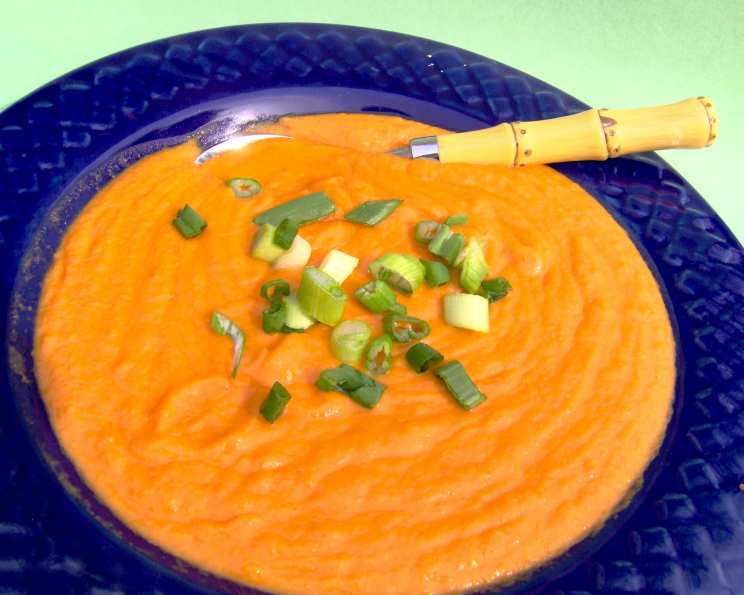
Savoring the Heart of West Africa: A Journey with Peanut Soup
The first time I tasted West African Peanut Soup, I was volunteering at a community kitchen in Brooklyn. The aroma alone – a symphony of roasted peanuts, sweet potatoes, and warm spices – transported me. It wasn’t just the taste; it was the feeling of connection to a culinary heritage so rich and vibrant. One spoonful, and I was hooked; this hearty and comforting soup became a staple in my own kitchen, a reminder of warmth, community, and the incredible power of food to connect us all.
Recipe Overview
- Prep Time: 20 minutes
- Cook Time: 30 minutes
- Total Time: 50 minutes
- Servings: 6-8
- Yield: About 8 cups
- Dietary Type: Vegan
Ingredients
- 2 cups chopped onions
- 1 tablespoon peanut oil or 1 tablespoon vegetable oil
- ½ teaspoon cayenne
- 1 teaspoon grated peeled fresh gingerroot
- 1 cup chopped carrot
- 2 cups chopped sweet potatoes (up to 1 cup white potatoes can be substituted)
- 4 cups vegetable stock or 4 cups water
- 2 cups tomato juice
- 1 cup smooth peanut butter
- 1 tablespoon sugar (optional)
- 1 cup chopped scallions or 1 cup chives
Equipment Needed
- Large pot or Dutch oven
- Blender or food processor
Instructions
- Begin by sautéing the chopped onions in the peanut oil (or vegetable oil) in a large pot or Dutch oven over medium heat. Cook until the onions are just translucent, stirring occasionally. This should take about 5-7 minutes. Watch closely to prevent burning; reduce the heat if necessary.
- Stir in the cayenne and grated fresh gingerroot. Cook for another minute, allowing the spices to bloom and release their fragrance. Be careful not to burn the cayenne, as it can become bitter.
- Add the chopped carrot and sauté for a couple more minutes, stirring occasionally. This helps to soften the carrots and enhance their sweetness.
- Mix in the chopped sweet potatoes (or a combination of sweet and white potatoes) and the vegetable stock (or water). Ensure all the vegetables are submerged in the liquid. If not, add a little more stock or water.
- Bring the soup to a boil, then reduce the heat to low and simmer for about 15 minutes, or until the vegetables are tender. You should be able to easily pierce the sweet potatoes with a fork.
- Carefully transfer the soup, in batches if necessary, to a blender or food processor.
- Puree the vegetables with the cooking liquid and the tomato juice until completely smooth. This step is crucial for achieving the soup’s signature creamy texture. If using a regular blender, be extremely careful with hot liquids. Start on low speed and gradually increase to high, venting the lid slightly to allow steam to escape. Alternatively, use an immersion blender directly in the pot.
- Return the pureed soup to the pot. Stir in the smooth peanut butter until it is completely dissolved and the soup is smooth and homogenous.
- Taste the soup. The sweetness will depend on the natural sweetness of the carrots and sweet potatoes. If it is not naturally sweet enough, add just a little sugar to enhance the other flavors. Start with half a tablespoon and add more to taste.
- Reheat the soup gently over low heat, using a heat diffuser if needed to prevent scorching. Peanut butter has a tendency to stick to the bottom of the pot and burn, so stir frequently.
- If the soup is too thick, add more water, vegetable stock, or tomato juice to reach your desired consistency.
- Serve hot, topped with plenty of chopped scallions or chives.
Expert Tips & Tricks
- Toast your peanuts! For an even richer, nuttier flavor, toast the peanuts before making peanut butter. You can even add some toasted peanut oil to the soup for added flavor.
- Spice it up: Feel free to adjust the amount of cayenne pepper to suit your spice preference. A pinch of smoked paprika can also add depth of flavor. Scotch bonnet peppers are also often used in West Africa for an extra kick.
- Make it ahead: This soup is even better the next day as the flavors meld together. Prepare it a day or two in advance and store it in the refrigerator.
- Roast the vegetables: Roasting the sweet potatoes and carrots before adding them to the soup enhances their sweetness and adds a caramelized flavor.
- Peanut butter variation: Experiment with different types of peanut butter. Natural peanut butter will give a more intense peanut flavor.
Serving & Storage Suggestions
Serve the West African Peanut Soup hot, garnished generously with freshly chopped scallions or chives. A dollop of plain yogurt (dairy or non-dairy) or a swirl of coconut milk can also be a delicious addition, adding a touch of coolness and creaminess. This soup pairs well with crusty bread for dipping, or with a side of couscous or quinoa for a more substantial meal.
Leftover soup can be stored in an airtight container in the refrigerator for up to 3-4 days. It can also be frozen for up to 2-3 months. To reheat, simply warm it gently on the stovetop or in the microwave. If frozen, thaw it in the refrigerator overnight before reheating. You may need to add a little extra liquid (water, stock, or tomato juice) to restore the desired consistency after reheating.
Nutritional Information
| Nutrient | Amount per Serving | % Daily Value |
|---|---|---|
| Calories | 360.8 kcal | N/A |
| Calories from Fat | 217 g | 60% |
| Total Fat | 24.1 g | 37% |
| Saturated Fat | 5 g | 24% |
| Cholesterol | 0 mg | 0% |
| Sodium | 459.2 mg | 19% |
| Total Carbohydrate | 29.2 g | 9% |
| Dietary Fiber | 6.2 g | 24% |
| Sugars | 12.4 g | 49% |
| Protein | 13.2 g | 26% |
Note: Nutritional information is an estimate and may vary based on specific ingredients and preparation methods.
Variations & Substitutions
- Gluten-Free: This recipe is naturally gluten-free.
- Spicy Peanut Soup: For an extra kick, add a chopped scotch bonnet pepper or a few dashes of hot sauce.
- Coconut Peanut Soup: Substitute coconut milk for some of the vegetable stock or tomato juice for a creamier, more tropical flavor.
- Protein Boost: Add cooked chickpeas, lentils, or tofu for a more substantial and protein-rich meal.
- Greens: Stir in some chopped spinach, kale, or collard greens during the last few minutes of cooking for added nutrients.
FAQs (Frequently Asked Questions)
Q: Can I use chunky peanut butter instead of smooth?
A: While you can, the soup will have a slightly different texture. Smooth peanut butter blends in seamlessly, creating a creamy consistency. Chunky peanut butter will leave small pieces of peanuts throughout the soup.
Q: Is it necessary to puree the soup?
A: Pureeing is essential for achieving the signature creamy texture of West African Peanut Soup. If you prefer a chunkier soup, you can puree only half of it and then stir it back into the pot with the remaining vegetables.
Q: Can I use a different type of nut butter?
A: Yes, you can experiment with almond butter or cashew butter, but the flavor profile will change. Peanut butter provides the characteristic taste of this soup.
Q: How do I prevent the soup from scorching?
A: Stir the soup frequently, especially after adding the peanut butter. Using a heat diffuser can also help prevent scorching.
Q: Can I add other vegetables to the soup?
A: Absolutely! Feel free to add other vegetables such as bell peppers, zucchini, or okra.
Final Thoughts
This West African Peanut Soup is more than just a recipe; it’s an invitation to explore a vibrant culinary tradition. I encourage you to try it, experiment with the variations, and make it your own. Share your creations with friends and family, and let the warmth and richness of this soup bring a little bit of West Africa to your table. Don’t be afraid to adjust the spices to your liking, and most importantly, enjoy the process! Your feedback is always welcome, so please let me know what you think. Serve this hearty soup with a side of jollof rice for a truly authentic West African experience.