
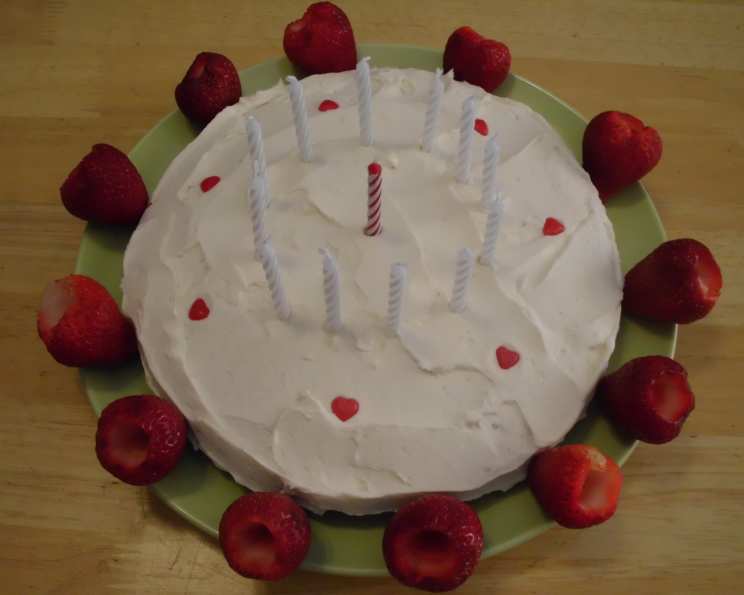
The Cloud-Like Perfection of Classic White Cake
Baking a white cake always takes me back to my childhood. I can almost smell the delicate aroma wafting from Grandma’s kitchen, a blend of vanilla and warm sugar. It was the special occasion cake, the centerpiece of birthdays and anniversaries. Its pristine white frosting, adorned with simple rosettes, always felt like a blank canvas of pure celebration, ready to be filled with joy and laughter. It’s a cake that evokes feelings of pure comfort and timeless elegance.
Recipe Overview
- Prep Time: 30 minutes
- Cook Time: 30 minutes
- Total Time: 1 hour
- Servings: 12
- Yield: Two 8-inch cake layers
- Dietary Type: Not specified
Ingredients
- 3 cups cake flour
- 1 tablespoon baking powder
- 1/2 cup butter, softened
- 2 cups sugar
- 1 1/2 cups cold water
- 1 teaspoon vanilla extract
- 4 egg whites, beaten stiff
Equipment Needed
- Two 8-inch round cake pans
- Mixer (stand or hand-held)
- Sifter
- Mixing bowls
- Rubber spatula
- Measuring cups and spoons
- Oven
Instructions
-
Begin by preparing your dry ingredients. Sift together the cake flour and baking powder in a medium-sized bowl. Sifting ensures a light and airy texture, crucial for a delicate white cake. Set aside.
-
In a large mixing bowl, cream together the softened butter and sugar until the mixture is light and fluffy. This step is essential for incorporating air into the batter, contributing to the cake’s tender crumb. Don’t rush this process; spend a good 3-5 minutes creaming.
-
Gradually add the dry ingredients to the creamed butter and sugar, alternating with the cold water. Begin and end with the dry ingredients. A good method is to add about one-third of the dry ingredients, followed by one-third of the water, and so on. This helps to prevent gluten development and keeps the batter smooth. Mix until just combined after each addition. Avoid overmixing at this stage.
-
Stir in the vanilla extract. This adds a touch of warmth and enhances the overall flavor of the cake.
-
In a separate clean and dry bowl, beat the egg whites until stiff peaks form. This step is key to achieving the light and airy texture characteristic of white cake. Make sure there is no trace of yolk in the whites. The bowl and beaters should be grease-free for optimal volume.
-
Gently fold the beaten egg whites into the batter. It’s important to fold carefully to avoid deflating the whites. Use a rubber spatula and cut down through the center of the batter, scoop underneath, and fold over the top. Rotate the bowl slightly and repeat until the egg whites are just incorporated. A few streaks of white are okay.
-
Divide the batter evenly between two ungreased 8-inch round cake pans. Do NOT grease the pans. This is crucial for this particular recipe, as the cake needs to grip the sides of the pan to rise properly.
-
Bake in a preheated oven at 350°F (175°C) for 30 minutes. To check for doneness, insert a toothpick into the center of the cake. If it comes out clean or with only a few moist crumbs attached, the cake is done. Be careful not to overbake, as this will result in a dry cake.
-
Cool the cakes in the pans for 10-15 minutes before inverting them onto a wire rack to cool completely.
-
Frost with your favorite frosting. This recipe traditionally calls for Seven Minute Icing, a light and fluffy meringue-based frosting.
Expert Tips & Tricks
- Cake Flour is Key: Using cake flour is non-negotiable for this recipe. It has a lower protein content than all-purpose flour, resulting in a more tender crumb.
- Room Temperature Butter: Make sure the butter is truly softened before creaming it with the sugar. It should be soft enough to press a finger into easily but not melted.
- Cold Water Matters: Using cold water helps to inhibit gluten development, contributing to a more tender cake.
- Don’t Overmix: Overmixing the batter after adding the flour will result in a tough cake. Mix until just combined.
- Perfect Egg Whites: Ensure your bowl and beaters are clean and grease-free before whipping the egg whites. A tiny bit of fat can prevent them from whipping properly.
- Baking Time Adjustments: Ovens can vary, so keep an eye on the cake during the last few minutes of baking. If the top is browning too quickly, tent it loosely with foil.
Serving & Storage Suggestions
Serve the white cake at room temperature for the best flavor and texture. It pairs beautifully with fresh berries, whipped cream, or a scoop of vanilla ice cream.
To store, wrap the unfrosted cake layers tightly in plastic wrap and store them at room temperature for up to 2 days, in the refrigerator for up to a week, or in the freezer for up to 3 months. Frosted cake should be stored in the refrigerator due to the frosting. Bring to room temperature before serving for optimal texture.
Nutritional Information
Note: Nutritional information is an estimate and may vary based on specific ingredients and serving sizes.
| Nutrient | Amount per Serving | % Daily Value |
|---|---|---|
| Calories | 328 kcal | N/A |
| Calories from Fat | 71 kcal | N/A |
| Total Fat | 8 g | 12% |
| Saturated Fat | 4.9 g | 24% |
| Cholesterol | 20.3 mg | 6% |
| Sodium | 178.5 mg | 7% |
| Total Carbohydrate | 60.5 g | 20% |
| Dietary Fiber | 0.6 g | 2% |
| Sugars | 33.5 g | N/A |
| Protein | 4.1 g | 8% |
Variations & Substitutions
- Lemon White Cake: Add the zest of one lemon to the batter for a bright, citrusy flavor.
- Almond White Cake: Substitute 1/2 teaspoon of almond extract for the vanilla extract. You can also add a handful of sliced almonds to the top of the cake before baking.
- Chocolate Swirl White Cake: Before baking, reserve about 1/2 cup of the batter. Mix in 1 tablespoon of cocoa powder and 1 tablespoon of milk. Swirl this chocolate batter into the white batter in the pans before baking.
- Gluten-Free White Cake: Substitute a high-quality gluten-free cake flour blend for the regular cake flour. You may need to adjust the liquid slightly to achieve the correct batter consistency.
- Dairy-Free White Cake: Substitute your favorite dairy-free butter alternative for the butter.
FAQs (Frequently Asked Questions)
Q: Why is it important not to grease the cake pans for this recipe?
A: This recipe relies on the cake clinging to the sides of the pan to help it rise properly. Greasing the pans will prevent this from happening, resulting in a flatter cake.
Q: Can I use all-purpose flour instead of cake flour?
A: While you can, it’s not recommended. Cake flour has a lower protein content, which contributes to the cake’s tender crumb. All-purpose flour will result in a tougher cake.
Q: How do I prevent my egg whites from deflating when folding them into the batter?
A: Gently fold the egg whites in using a rubber spatula. Avoid overmixing and cut down through the center of the batter, scoop underneath, and fold over the top.
Q: My cake came out dry. What did I do wrong?
A: Overbaking is the most common cause of dry cake. Be sure to check for doneness using a toothpick and remove the cake from the oven as soon as it’s done.
Q: Can I make this cake ahead of time?
A: Yes! You can bake the cake layers ahead of time, wrap them tightly in plastic wrap, and store them at room temperature for up to 2 days, in the refrigerator for up to a week, or in the freezer for up to 3 months.
Final Thoughts
This White Cake recipe is a classic for a reason. It’s simple, elegant, and incredibly delicious. Don’t be intimidated by the requirement of ungreased pans or the importance of gently folding in the egg whites – these details are what create its signature light and airy texture. So, gather your ingredients, preheat your oven, and get ready to experience the cloud-like perfection of a homemade White Cake. I encourage you to try it and share your baking adventures (and photos!) with me. Happy baking!