
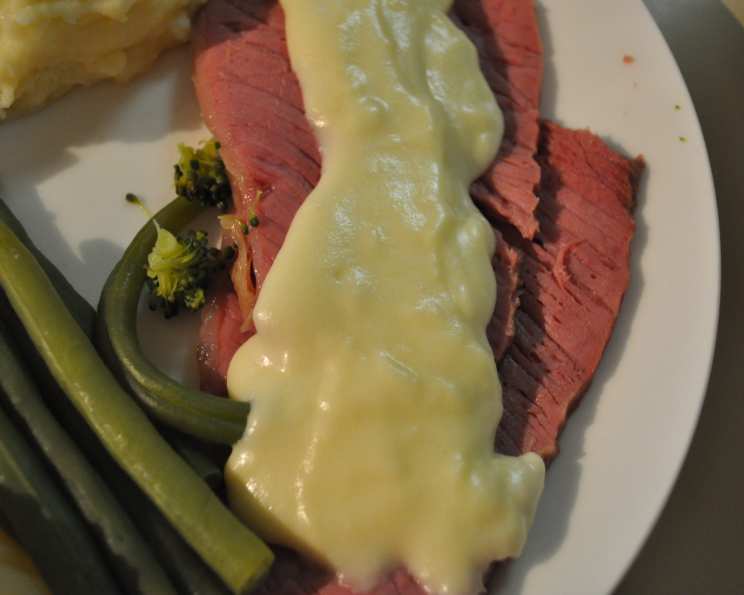
The Velvet Touch: Mastering the Art of White and Cheese Sauce
The first time I ever attempted a white sauce, or béchamel as the French call it, was a culinary disaster. I was maybe ten years old, armed with a cookbook and a fierce determination to recreate a creamy broccoli gratin I’d devoured at a friend’s house. The result? A lumpy, gluey mess that bore no resemblance to the luscious sauce I’d imagined. But that experience, as humbling as it was, ignited a passion for mastering the fundamentals. I kept practicing, tweaking, and tasting until I finally unlocked the secrets to that perfect, velvety smooth white sauce – a skill that has served me countless times in my culinary journey. And today, I’m thrilled to share that knowledge with you, from basic white sauce to decadent cheese sauce.
Recipe Overview
- Prep Time: 5 minutes
- Cook Time: 5 minutes
- Total Time: 10 minutes
- Servings: 4
- Yield: 1 cup
- Dietary Type: Vegetarian
Ingredients
- 1 tablespoon cornstarch
- 1 cup milk
- 2 tablespoons butter (or 2 tablespoons margarine)
- ¼ teaspoon salt
- ⅛ teaspoon pepper
Optional for Cheese Sauce:
- 1 cup shredded cheese (cheddar, Gruyere, or your favorite melting cheese)
Equipment Needed
- Small saucepan
- Whisk
Instructions
-
In a small saucepan, combine the cornstarch and milk. Whisk thoroughly until the cornstarch is completely dissolved and the mixture is smooth. This is crucial for preventing lumps later on.
-
Add the butter (or margarine), salt, and pepper to the saucepan.
-
Place the saucepan over medium heat. Stir constantly with a whisk to prevent scorching or sticking.
-
As the mixture heats, it will begin to thicken. Continue stirring constantly until the sauce comes to a simmer.
-
Once the sauce is simmering, reduce the heat to low and simmer for 1 minute, continuing to stir constantly. This will ensure the cornstarch is fully cooked and the sauce reaches its optimal thickness. The sauce should coat the back of a spoon.
-
For Cheese Sauce: Remove the saucepan from the heat. Stir in the shredded cheese until it is completely melted and the sauce is smooth and creamy. Be patient and continue to stir until all the cheese has melted. Do not return to the heat. The residual heat will be enough to melt the cheese.
Expert Tips & Tricks
-
Preventing Lumps: The key to a smooth white sauce is to thoroughly dissolve the cornstarch in the milk before heating. If lumps do form, you can try whisking vigorously or even passing the sauce through a fine-mesh sieve.
-
Flavor Boost: For a richer flavor, use whole milk instead of skim milk. You can also infuse the milk with aromatics like a bay leaf or a clove of garlic before making the sauce. Just be sure to remove them before serving. A pinch of nutmeg also adds warmth and depth.
-
Cheese Selection: When making cheese sauce, choose cheeses that melt well, such as cheddar, Gruyere, Monterey Jack, or even a combination. Avoid hard cheeses like Parmesan, as they may not melt smoothly.
-
Consistency Control: If the sauce is too thick, add a little more milk until it reaches your desired consistency. If it’s too thin, simmer it for a bit longer to allow it to thicken, but be careful not to burn it.
-
Make-Ahead Tip: White sauce can be made ahead of time. Cool slightly, then press a piece of plastic wrap directly onto the surface of the sauce to prevent a skin from forming. Refrigerate for up to 2 days. Reheat gently over low heat, stirring frequently, adding a splash of milk if needed to restore its original consistency.
Serving & Storage Suggestions
White sauce is incredibly versatile and can be used in a variety of dishes. It’s delicious served over steamed vegetables like broccoli, asparagus, or cauliflower. It’s also a key ingredient in classic dishes like macaroni and cheese, lasagna, and gratins. Cheese sauce is excellent over nachos, baked potatoes or as a dip for soft pretzels.
To store leftover white or cheese sauce, transfer it to an airtight container and refrigerate for up to 3 days. As the sauce cools, it will thicken significantly. When reheating, add a splash of milk and stir frequently over low heat until smooth and creamy again. It’s not recommended to freeze white sauce, as the texture can become grainy upon thawing.
Do not leave the sauce at room temperature for more than two hours.
Nutritional Information
Note: Nutritional information is an estimate and can vary based on specific ingredients and portion sizes.
| Nutrient | Amount per Serving | % Daily Value |
|---|---|---|
| Calories | 110 kcal | 6% |
| Total Fat | 8g | 12% |
| Saturated Fat | 5g | 25% |
| Cholesterol | 24mg | 8% |
| Sodium | 220mg | 10% |
| Total Carbohydrate | 5g | 2% |
| Dietary Fiber | 0g | 0% |
| Sugars | 2g | 4% |
| Protein | 2g | 4% |
Variations & Substitutions
-
Dairy-Free White Sauce: Substitute the milk with unsweetened almond milk, soy milk, or oat milk. Use a dairy-free butter alternative. Be aware that the flavor will be slightly different.
-
Gluten-Free: This recipe is naturally gluten-free, as it uses cornstarch as the thickener.
-
Spicy Cheese Sauce: Add a pinch of cayenne pepper or a dash of hot sauce to the cheese sauce for a kick.
-
Herbaceous White Sauce: Stir in some fresh herbs like thyme, rosemary, or parsley to the white sauce for added flavor.
-
Smoked Cheese Sauce: Use smoked cheddar or Gouda for a smoky twist.
FAQs (Frequently Asked Questions)
Q: Why is my white sauce lumpy?
A: Lumps usually occur when the cornstarch isn’t fully dissolved in the milk before heating. Be sure to whisk thoroughly before turning on the heat.
Q: Can I use flour instead of cornstarch?
A: Yes, you can substitute cornstarch with all-purpose flour. Use the same amount (1 tablespoon) and whisk it with melted butter before gradually adding the milk. Be sure to cook the flour for a minute or two to remove the raw flour taste.
Q: How can I make my cheese sauce smoother?
A: Use freshly grated cheese, as pre-shredded cheese often contains cellulose, which can prevent it from melting smoothly. Also, add the cheese off the heat and stir until just melted.
Q: Can I add other flavors to my white sauce?
A: Absolutely! This recipe is a blank canvas. Try adding sauteed onions, garlic, mushrooms, or even sun-dried tomatoes for a more complex flavor profile.
Q: My white sauce is too thick. How can I fix it?
A: Simply stir in a little more milk, one tablespoon at a time, until it reaches your desired consistency. Gently heat on low, stirring constantly until it becomes smooth.
Final Thoughts
There you have it – the simple yet powerful art of making a perfect white or cheese sauce. This foundational recipe opens up a world of culinary possibilities. Don’t be intimidated if your first attempt isn’t perfect; practice makes perfect, and even a slightly imperfect sauce is still delicious. So grab your saucepan, gather your ingredients, and get ready to experience the velvety touch of homemade white sauce. I encourage you to experiment with different cheeses, herbs, and spices to create your signature sauce. And please, share your creations and feedback – I can’t wait to see what you come up with! Perhaps you’ll pair it with roasted Brussels sprouts or use it as the base for a decadent seafood gratin. The possibilities are endless!