
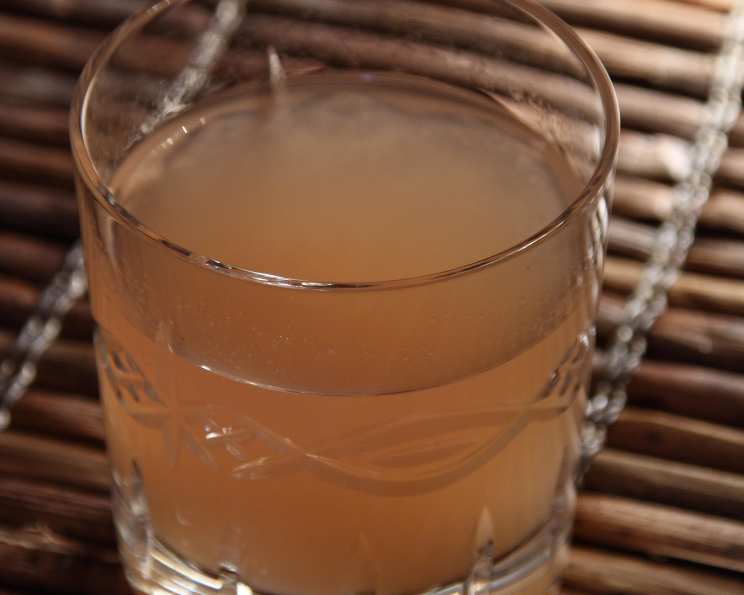
White Peach Sake: A Taste of Summer in Every Sip
I’ll never forget my first experience with flavored sake. It was at a small, tucked-away restaurant during cherry blossom season. The delicate pink hues of the blossoms outside were mirrored in the glass of chilled cherry sake I was served. The combination of the subtle sweetness of the fruit and the clean, crisp sake was pure magic, a perfect embodiment of spring. It sparked a curiosity in me to explore the possibilities of blending sake with different fruits, and this White Peach Sake recipe captures that same essence of delicate flavor and seasonal delight.
Recipe Overview
- Prep Time: 15 minutes
- Cook Time: 20 minutes
- Total Time: 35 minutes
- Servings: 4
- Yield: About 1 quart
- Dietary Type: Gluten-Free
Ingredients
- 3 large ripe white peaches
- 2 ½ cups water
- ¾ cup granulated sugar
- ½ Tahitian vanilla bean
- 1 cinnamon stick
- ¾ pint sake (Hokusetsu honjozo grade)
- 2 teaspoons lemon juice
Equipment Needed
- Large saucepan
- Food processor or blender
- Fine-mesh sieve
- Measuring cups and spoons
- Tall lipped jug or similar container with spout
Instructions
- Begin by gently washing the white peaches. It’s important to leave the skins on, as they contribute to the color and flavor of the final product. Cut the peaches into halves or thirds.
- In a large saucepan, combine the water, granulated sugar, vanilla bean, and cinnamon stick. Place the saucepan over medium heat and allow the mixture to come to a boil. Stir occasionally to ensure the sugar dissolves completely.
- Once the mixture is boiling, carefully add the cut peaches and their stones (pits) to the saucepan. The peach stones, while perhaps unexpected, impart a subtle almond-like flavor that enhances the overall depth of the drink.
- Simmer the peach mixture for approximately 3 minutes. This gentle simmering will soften the peaches and allow their flavors to infuse into the syrup.
- Using a slotted spoon, carefully remove the peaches from the saucepan. Discard the peach stones. Transfer the cooked peaches to a food processor or blender.
- Puree the peaches until smooth.
- Strain the peach puree and the contents of the saucepan (including the vanilla bean and cinnamon stick) through a fine-mesh sieve. This step is crucial for removing any solids and creating a silky-smooth texture. Use a spatula to press gently on the solids in the sieve, extracting as much liquid as possible. Discard the solids.
- Return the strained peach mixture to the saucepan. Place the saucepan back over medium heat and continue to boil the mixture until it is reduced to approximately one-third of its original volume. This reduction concentrates the peach flavor and creates a more intense syrup. This should take roughly 10-15 minutes, depending on your stove. Watch carefully, as it can burn easily.
- Remove the saucepan from the heat and allow the peach syrup to cool completely. Cooling is essential before adding the sake, as heat can negatively impact its delicate flavor.
- In a medium bowl, combine the cooled peach syrup and the sake. Add the lemon juice to taste. The lemon juice adds a touch of acidity, balancing the sweetness of the peaches and brightening the overall flavor profile. Start with the specified amount and adjust according to your preference.
- Pour the finished sake into a tall lipped jug or a similar container with a spout and handle for easy serving.
- Chill in the refrigerator before serving.
Expert Tips & Tricks
- For an even more pronounced vanilla flavor, split the vanilla bean lengthwise and scrape out the seeds before adding it to the saucepan. Include both the pod and the seeds for maximum infusion.
- If you find the peach mixture is too sweet after reducing, add a squeeze more of lemon juice to adjust the balance.
- Don’t over-reduce the peach mixture, or it will become too thick and syrupy. Aim for a consistency slightly thicker than water.
- If you prefer a completely clear sake, you can strain the peach puree twice.
- Experiment with different types of sake. A junmai sake will offer a richer, more complex flavor profile, while a daiginjo sake will provide a more delicate and floral aroma.
Serving & Storage Suggestions
Serve the White Peach Sake chilled. You can garnish it with a slice of fresh white peach or a sprig of mint for an elegant presentation. It’s delicious on its own as an aperitif or dessert drink, or it pairs well with light appetizers like sushi, sashimi, or fruit platters.
Store any leftover sake in an airtight container in the refrigerator. It will keep for up to 3-4 days. The flavor may mellow slightly over time. It is not recommended to freeze this sake, as freezing can alter its texture and flavor.
Nutritional Information
| Nutrient | Amount per Serving | % Daily Value |
|---|---|---|
| Calories | 220 kcal | 11% |
| Total Fat | 0.2g | 0% |
| Saturated Fat | 0g | 0% |
| Cholesterol | 0mg | 0% |
| Sodium | 2mg | 0% |
| Total Carbohydrate | 35g | 12% |
| Dietary Fiber | 1g | 4% |
| Sugars | 33g | – |
| Protein | 0.5g | 1% |
Note: Nutritional information is an estimate and may vary based on specific ingredients and portion sizes.
Variations & Substitutions
- Other Fruits: As the original inspiration suggests, feel free to experiment with other fruits! Cherries, passion fruit, melons, berries, or plums all make fantastic alternatives to white peaches. Adjust the simmering time based on the fruit’s firmness.
- Sparkling Sake: For a celebratory twist, top the finished sake with a splash of sparkling water or club soda just before serving.
- Herbal Infusion: Add a few sprigs of fresh basil or thyme to the peach mixture while simmering for an herbaceous note. Remove the herbs before pureeing.
- Spiced Sake: In the fall or winter, add a star anise or a few cloves to the peach mixture along with the cinnamon stick for a warming, spiced flavor.
FAQs (Frequently Asked Questions)
Q: Can I use canned peaches instead of fresh peaches?
A: While fresh peaches are preferred for their superior flavor and texture, you can use canned peaches in syrup as a substitute. Be sure to drain the syrup well and reduce the amount of sugar added to the saucepan accordingly.
Q: What if I can’t find Hokusetsu honjozo grade sake?
A: Hokusetsu honjozo is a specific brand and grade, but any good-quality honjozo sake will work well in this recipe. Look for a sake that is clean, crisp, and slightly dry.
Q: Do I have to use a vanilla bean?
A: The vanilla bean adds a subtle but complex flavor that complements the white peaches beautifully. However, if you don’t have one on hand, you can substitute 1 teaspoon of vanilla extract. Add the extract after the peach mixture has cooled.
Q: How can I make this sake less sweet?
A: Reduce the amount of sugar used in the saucepan. You can also add more lemon juice to balance the sweetness.
Q: Can I make this sake in advance?
A: Yes, you can make the peach syrup several days in advance and store it in the refrigerator. When you’re ready to serve, simply combine the chilled syrup with the sake and lemon juice.
Final Thoughts
This White Peach Sake is more than just a drink; it’s a celebration of summer’s bounty and a testament to the art of flavor pairing. The delicate sweetness of the white peaches, the subtle spice of the cinnamon, and the clean crispness of the sake create a harmonious and refreshing beverage that is perfect for any occasion. I encourage you to try this recipe and experiment with different fruits and flavors to create your own signature sake blend. Share your creations and feedback – I’m always eager to hear about your culinary adventures! Cheers to delicious discoveries!