
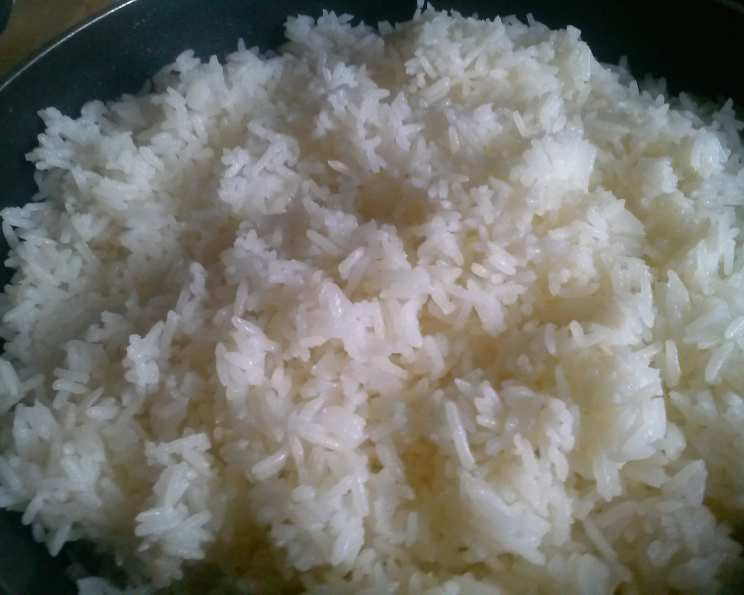
The Perfect Pot of White Rice: A Culinary Staple
Rice was always a mainstay at my grandmother’s table. I remember the aroma wafting from her kitchen, a comforting scent that signaled a delicious meal was imminent. Her rice was legendary – fluffy, perfectly cooked, and subtly flavorful. It was the foundation upon which countless family meals were built, the silent, dependable star that complemented every dish with grace. Learning to master rice has been a culinary journey, and I’m excited to share the secrets I’ve learned along the way.
Recipe Overview
- Prep Time: 5 minutes
- Cook Time: 37 minutes
- Total Time: 42 minutes
- Servings: 4-6
- Yield: About 6 cups cooked rice
- Dietary Type: Vegan, Gluten-Free, Dairy-Free
Ingredients
- 3 cups long grain rice (I like Carolina brand)
- 4 cups cold water
- 1 1/2 teaspoons salt
- 3 tablespoons canola oil
Equipment Needed
- Large pot or caldero
- Lid
- Aluminum foil (optional, but recommended)
Instructions
-
Heat your caldero pot (or any other large pot with a lid) over medium heat.
-
While the pot is heating, thoroughly wash the rice several times with cold water. Rinse until the water runs relatively clear to remove excess starch. This step is crucial for achieving fluffy, non-sticky rice. Drain the rice well in a colander.
-
Add the canola oil, drained rice, and salt to the heated pot. Cook for about 1 minute, stirring once to coat the rice grains evenly with the oil. This helps to prevent sticking and adds a subtle richness to the rice.
-
Pour in the 4 cups of cold water. Increase the heat slightly and bring the mixture to a boil, stirring occasionally to ensure even cooking.
-
Once the water reaches a rolling boil, continue to cook, uncovered, until the rice has absorbed almost all of the water. This should take approximately 10 minutes. You’ll notice the surface of the rice becoming visible, with small pockets of water remaining.
-
Give the rice a final, gentle stir. Then, gather and pile the rice in the center of the pot, creating a mound. This helps prevent the rice from sticking to the sides and bottom of the pot during the simmering process.
-
Reduce the heat to the lowest setting. Cover the pot tightly with aluminum foil, creating a seal, and then place the lid on top. This traps the steam and ensures even cooking. Do not lift the lid or disturb the rice during the next 20 minutes. This is crucial!
-
After 20 minutes of steaming, carefully remove the lid and foil. Gently fluff the rice with a fork, bringing the rice from the bottom of the pot to the top. This helps to distribute any remaining moisture and ensures a consistent texture throughout.
-
Re-cover the pot with the lid (no need for new foil this time) and cook for an additional 10 minutes on low heat. This final steaming period allows the rice to fully absorb any remaining moisture and become perfectly tender.
-
After the final 10 minutes, remove the pot from the heat and let it stand, covered, for 5-10 minutes before serving. This resting period allows the steam to redistribute, resulting in even fluffier rice.
Expert Tips & Tricks
-
The Water Ratio is Key: The 3 cups rice to 4 cups water ratio is a good starting point, but you may need to adjust it slightly depending on your rice and pot. If the rice is too dry, add a splash more water during the final steaming stage. If it’s too wet, slightly extend the final cooking time.
-
Don’t Peek! Resist the urge to lift the lid during the initial 20-minute steaming process. This releases valuable steam and can disrupt the cooking process, leading to unevenly cooked rice.
-
Rinsing is Essential: Thoroughly rinsing the rice before cooking removes excess starch, which prevents the rice from becoming sticky and gummy.
-
Use a Heavy-Bottomed Pot: A heavy-bottomed pot helps to distribute heat evenly, preventing scorching and ensuring consistent cooking. Caldero pots are ideal, but any large pot with a tight-fitting lid will work.
-
Flavor Infusions: For added flavor, try adding a bay leaf, a clove of garlic, or a small piece of ginger to the pot while the rice is cooking. Be sure to remove them before serving. You can also substitute chicken or vegetable broth for water for a richer flavor.
Serving & Storage Suggestions
Serve the cooked rice hot as a base for stir-fries, curries, beans, or any other dish you desire. It pairs well with grilled meats, roasted vegetables, and flavorful sauces.
Leftover rice can be stored in an airtight container in the refrigerator for up to 4 days. To reheat, add a splash of water to the rice and microwave it for 1-2 minutes, or until heated through. You can also reheat it in a skillet over medium heat, stirring occasionally.
For longer storage, cooked rice can be frozen in freezer-safe containers for up to 2 months. To thaw, transfer the rice to the refrigerator overnight.
Nutritional Information
| Nutrient | Amount per Serving | % Daily Value |
|---|---|---|
| Calories | 599.3 kcal | N/A |
| Calories from Fat | 102 g | 17% |
| Total Fat | 11.4 g | 17% |
| Saturated Fat | 1 g | 5% |
| Cholesterol | 0 mg | 0% |
| Sodium | 886.1 mg | 36% |
| Total Carbohydrate | 110.9 g | 36% |
| Dietary Fiber | 1.8 g | 7% |
| Sugars | 0.2 g | 0% |
| Protein | 9.9 g | 19% |
Variations & Substitutions
-
Brown Rice: For a healthier option, substitute brown rice for white rice. Note that brown rice requires more water and a longer cooking time.
-
Jasmine Rice: For a fragrant and slightly floral flavor, use jasmine rice.
-
Basmati Rice: For a delicate and fluffy texture, use basmati rice.
-
Coconut Rice: Substitute coconut milk for water for a rich and tropical twist.
-
Herb Infused Rice: Add fresh herbs like parsley, cilantro, or thyme during the final 10 minutes of cooking for an aromatic variation.
FAQs (Frequently Asked Questions)
Q: Why is my rice sticky?
A: Sticky rice is usually caused by too much starch. Be sure to rinse the rice thoroughly before cooking to remove excess starch.
Q: My rice is burnt on the bottom, what did I do wrong?
A: Burning often indicates the heat was too high or the cooking time was too long. Ensure you reduce the heat to the lowest setting after bringing the rice to a boil, and use a heavy-bottomed pot to prevent scorching.
Q: How do I know when the rice is done?
A: The rice is done when it’s tender and fluffy, and all the water has been absorbed. There should be no crunchy or hard grains.
Q: Can I use less salt?
A: Yes, you can adjust the salt to your preference. However, salt enhances the flavor of the rice, so don’t omit it entirely.
Q: Can I make this in a rice cooker?
A: Absolutely! Follow the rice cooker’s instructions, but the principles of rinsing the rice and using the correct water ratio still apply.
Final Thoughts
Mastering the art of cooking perfect white rice is a fundamental culinary skill that will elevate your everyday meals. Don’t be intimidated – with a few simple steps and a little practice, you’ll be able to create fluffy, flavorful rice that complements any dish. I encourage you to experiment with different rice varieties, flavor infusions, and serving suggestions to create your own signature rice dishes. Share your creations and feedback, and happy cooking!