
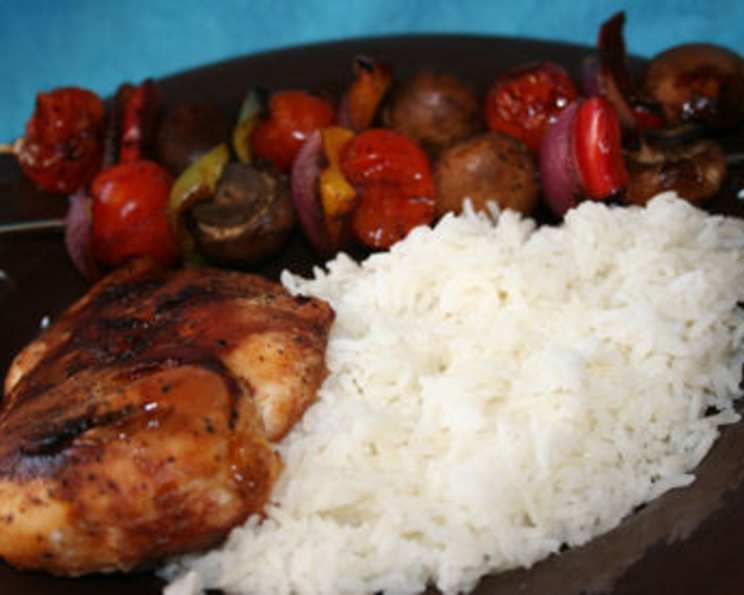
Perfectly Cooked White Rice: A Culinary Staple
The aroma of perfectly cooked white rice is a powerful trigger for me, instantly transporting me back to my grandmother’s kitchen. She always had a pot simmering on the stove, ready to accompany everything from stir-fries to simple grilled fish. It wasn’t just a side dish; it was the foundation of countless meals, a symbol of warmth, nourishment, and family. Her secret, she always said, was simple: good ingredients, patience, and a little bit of love. Today, I’m sharing my tried-and-true method for achieving fluffy, delicious white rice every single time.
Recipe Overview
- Prep Time: 5 minutes
- Cook Time: 25 minutes
- Total Time: 30 minutes
- Servings: 4-6
- Yield: About 3 cups cooked rice
- Dietary Type: Vegan, Gluten-Free, Dairy-Free, Vegetarian
Ingredients
- 1 cup white rice (long grain, medium grain, or short grain will work)
- 2 cups water
- 1 tablespoon oil (vegetable, canola, or olive oil)
- 1 teaspoon salt
Equipment Needed
- Medium saucepan with a tight-fitting lid
- Measuring cups and spoons
- Colander or fine-mesh sieve (optional, for rinsing)
Instructions
- In a medium saucepan, combine the rice, water, oil, and salt. Mix all ingredients together until the salt is dissolved.
- Bring the mixture to a rolling boil over high heat. You’ll know it’s a rolling boil when the bubbles are vigorous and consistent across the surface.
- Once boiling, immediately cover the saucepan tightly with the lid.
- Turn the heat down to medium-low (a gentle simmer) and cook for 20 minutes. It is crucial to maintain a steady simmer, ensuring the rice cooks evenly.
- After 20 minutes, remove the saucepan from the heat and let it stand covered for 5 minutes. This allows the rice to steam and finish cooking completely, resulting in a fluffier texture. Do not lift the lid during this time!
- Optional: You have the option of rinsing the rice or not. I personally like to rinse my rice in cold water to remove some of the starch. Place the rice in a colander or fine-mesh sieve and rinse under cold running water until the water runs clear. This helps prevent the rice from becoming sticky.
- Rinse again in hot water, drain well, and serve immediately. Fluff the rice with a fork before serving to separate the grains.
Expert Tips & Tricks
- Choosing Your Rice: The type of rice you use will affect the final texture. Long-grain rice tends to be fluffier, while short-grain rice is stickier. Experiment to find your preference.
- Rinsing is Key (Sometimes): Rinsing removes excess starch, preventing stickiness. If you prefer a stickier rice, skip the rinsing step.
- Perfect Liquid Ratio: The 2:1 water-to-rice ratio is a general guideline, but some rice varieties may require slightly more or less liquid. Observe the rice during cooking; if it seems dry, add a tablespoon or two of water. If there is too much water at the end of cooking, simply leave the lid slightly ajar for the last few minutes of resting time to allow the excess moisture to evaporate.
- Don’t Peek!: Resist the urge to lift the lid during cooking, as this releases steam and can affect the cooking time and texture.
- Burning Prevention: If your rice tends to burn on the bottom, try using a heavy-bottomed saucepan or a diffuser plate.
- Flavor Boost: For a more flavorful rice, try using broth instead of water, or add herbs, spices, or a knob of butter or coconut oil during cooking.
Serving & Storage Suggestions
Serve the white rice as a versatile accompaniment to a wide range of dishes. It pairs perfectly with stir-fries, curries, grilled meats and vegetables, beans, and soups.
Storage:
- Room Temperature: Cooked rice should not be left at room temperature for more than two hours, as this can encourage bacterial growth.
- Refrigerator: Store leftover rice in an airtight container in the refrigerator for up to 4 days.
- Freezer: For longer storage, freeze cooked rice in freezer-safe bags or containers for up to 2 months. Spread the rice out in a thin layer on a baking sheet before freezing to prevent clumping.
Reheating:
- Microwave: Reheat rice in the microwave with a tablespoon or two of water to prevent it from drying out. Cover the dish and microwave on medium power until heated through.
- Stovetop: Reheat rice on the stovetop with a splash of water or broth, stirring occasionally, until heated through.
- Steaming: Reheat the rice in a steamer for best results.
Nutritional Information
Note: Nutritional information is approximate and may vary based on specific ingredients and portion sizes.
| Nutrient | Amount per Serving (approx. 1/2 cup cooked) | % Daily Value* |
|---|---|---|
| Calories | 102 kcal | 5% |
| Total Fat | 1.1 g | 2% |
| Saturated Fat | 0.2 g | 1% |
| Cholesterol | 0 mg | 0% |
| Sodium | 232 mg | 10% |
| Total Carbohydrate | 19.3 g | 7% |
| Dietary Fiber | 0.3 g | 1% |
| Sugars | 0 g | 0% |
| Protein | 1.6 g | 3% |
*Percent Daily Values are based on a 2,000 calorie diet.
Variations & Substitutions
- Brown Rice: Substitute brown rice for white rice, but increase the cooking time to approximately 45-50 minutes and adjust the water ratio to 2.5 cups water per 1 cup of rice.
- Jasmine Rice: Use jasmine rice for a fragrant and slightly sticky rice. Follow the same cooking instructions as for white rice.
- Basmati Rice: Use basmati rice for a long-grain, aromatic rice. Rinse the rice thoroughly before cooking.
- Coconut Rice: Replace the water with coconut milk for a creamy and flavorful rice.
- Herbed Rice: Add fresh or dried herbs, such as thyme, rosemary, or bay leaf, to the rice during cooking for an aromatic twist.
- Spiced Rice: Add spices like turmeric, cumin, or cardamom to the rice during cooking for a warm and flavorful dish.
FAQs (Frequently Asked Questions)
Q: Why is my rice sticky?
A: Sticky rice is usually caused by excess starch. Be sure to rinse your rice thoroughly before cooking to remove the extra starch. Also, avoid stirring the rice too much during cooking, as this can release more starch.
Q: How do I prevent my rice from burning on the bottom?
A: Use a heavy-bottomed saucepan or a diffuser plate to distribute heat evenly. Make sure the heat is turned down to a low simmer once the rice comes to a boil.
Q: Can I use broth instead of water?
A: Yes, using broth instead of water will add more flavor to the rice. Chicken, vegetable, or beef broth can all be used, depending on your preference.
Q: What if my rice is still hard after 20 minutes?
A: If the rice is still hard, add a tablespoon or two of water and continue cooking for a few more minutes, checking frequently.
Q: Can I cook rice in a rice cooker?
A: Absolutely! Follow the manufacturer’s instructions for your specific rice cooker. Typically, you’ll use a 1:1 ratio of rice to water.
Final Thoughts
Cooking perfect white rice might seem simple, but mastering the technique opens a world of culinary possibilities. Don’t be afraid to experiment with different types of rice, flavorings, and cooking methods to find your perfect pot. I encourage you to try this recipe and let me know how it turns out. Share your creations, your adaptations, and any tips you discover along the way. Happy cooking!