
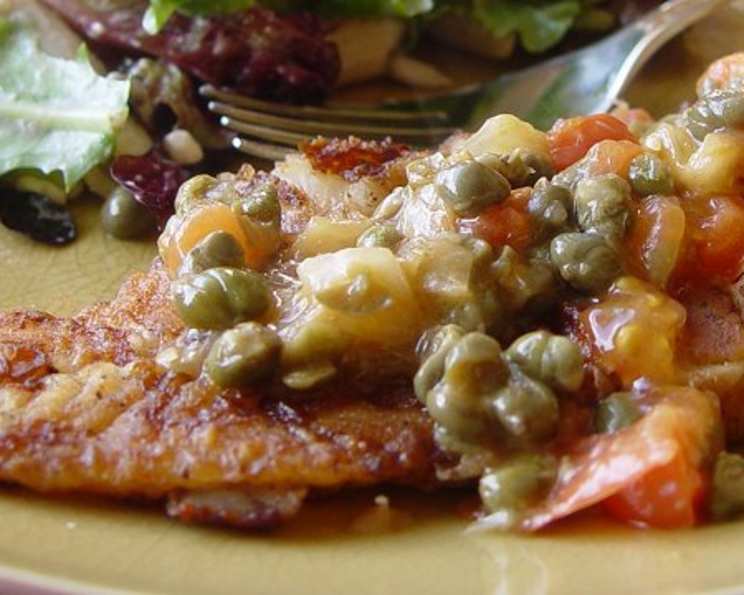
Whitefish Grenoble: A Taste of Michigan
The aroma of pan-fried whitefish, kissed with lemon and capers, instantly transports me back to family gatherings on the shores of Lake Michigan. My grandfather, a seasoned fisherman, would bring in his daily catch, and my grandmother, with her effortless culinary magic, would whip up the most incredible whitefish dishes. This Whitefish Grenoble recipe, with its bright, briny sauce, is a lovely tribute to those sun-drenched afternoons and the simple, yet exquisite, flavors of the Great Lakes. It’s a dish that speaks of home, of warmth, and of the enduring connection between family and food.
Recipe Overview
- Prep Time: 15 minutes
- Cook Time: 15 minutes
- Total Time: 30 minutes
- Servings: 2
- Yield: 2 fillets
- Dietary Type: Pescatarian
Ingredients
- 2 (6-8 ounce) white fish fillets
- 1 cup milk
- 1 cup flour
- 1/2 teaspoon salt
- 1/2 teaspoon pepper
- 1/4 teaspoon granulated garlic
- 1 ounce clarified butter
- Grenoble Sauce:
- 1/2 cup diced lemon
- 1/4 cup diced fresh tomato (avoid canned)
- 1/4 cup capers
- 1 ounce fresh butter
Equipment Needed
- Shallow dishes or pie plates
- Large sauté pan
- Plate for resting cooked fillets
- Spatula
Instructions
- Begin by preparing the whitefish. In a shallow dish, like a pie plate, combine the flour, salt, pepper, and granulated garlic. Mix well with a fork to ensure the seasonings are evenly distributed.
- In a separate shallow dish, pour the milk. Dip each whitefish fillet into the milk, ensuring it is completely coated.
- Immediately after the milk bath, dredge the fillet in the seasoned flour mixture, pressing gently to help the flour adhere to the fish. Shake off any excess flour.
- Place a sauté pan over medium heat. Once the pan is hot, add the clarified butter. Allow the butter to melt completely and heat up. This is crucial for achieving a beautiful golden-brown crust on the fish.
- Carefully place the floured whitefish fillets into the hot pan, skin side down (although skinless fillets work perfectly well too). Be careful not to overcrowd the pan; cook in batches if necessary to ensure even browning.
- Cook the fillets until they are golden brown and crispy on the bottom, approximately 5-7 minutes. Gently flip the fillets with a spatula and cook for another 5-7 minutes, or until they are cooked through and flake easily with a fork. The internal temperature should reach 145°F (63°C).
- Once the whitefish is cooked, remove it from the pan and place it on a clean plate to rest.
- Carefully wipe out the sauté pan with a clean, damp rag or paper towels to remove any browned bits or excess butter. This will prevent the Grenoble sauce from becoming bitter.
- Place the wiped-out pan back on the stove over medium heat. Add the fresh butter and allow it to melt.
- When the butter starts to brown slightly, add the diced lemon, diced fresh tomato, and capers to the pan. This is your Grenoble sauce.
- Sauté the Grenoble sauce for 1-2 minutes, stirring constantly, until it is heated through and the flavors have melded together. Be careful not to overcook the sauce, as the lemon can become bitter.
- Pour the warmed Grenoble sauce over the cooked whitefish fillets and serve immediately.
Expert Tips & Tricks
- Clarified Butter: Using clarified butter is essential for achieving a beautiful golden-brown crust without burning. Clarified butter has had its milk solids removed, which are what cause regular butter to burn at high temperatures. You can buy clarified butter or make your own by melting butter and skimming off the milk solids.
- Don’t Overcrowd the Pan: Overcrowding the pan will lower the temperature and cause the fish to steam instead of brown. Cook the fillets in batches if necessary.
- Gentle Handling: Whitefish is delicate, so handle it with care to prevent it from falling apart during cooking. Use a thin, flexible spatula to flip the fillets gently.
- Lemon Zest: For an extra burst of citrus flavor, add a teaspoon of lemon zest to the Grenoble sauce.
- Tomato Tip: Roma tomatoes or other firm, meaty varieties work best in the Grenoble sauce, as they hold their shape well during cooking. Avoid using overly juicy tomatoes, as they can make the sauce watery.
Serving & Storage Suggestions
Serve Whitefish Grenoble immediately while it’s hot and the sauce is vibrant. It pairs beautifully with roasted asparagus, steamed green beans, or a simple side salad. Leftovers can be stored in an airtight container in the refrigerator for up to 2 days. To reheat, gently warm the fish in a preheated oven at 300°F (150°C) or in a sauté pan over low heat until heated through. Be careful not to overcook the fish when reheating. Freezing is not recommended, as it can affect the texture of the fish.
Nutritional Information
| Nutrient | Amount per Serving | % Daily Value |
|---|---|---|
| Calories | 674 kcal | N/A |
| Total Fat | 31g | 46% |
| Saturated Fat | 18g | 89% |
| Cholesterol | 193mg | 64% |
| Sodium | 1360mg | 56% |
| Total Carbohydrate | 56g | 18% |
| Dietary Fiber | 3g | 10% |
| Sugars | 1g | 3% |
| Protein | 43g | 85% |
Variations & Substitutions
- Other Fish: While this recipe is specifically designed for whitefish, you can easily substitute other flaky white fish, such as cod, haddock, or halibut. Adjust the cooking time as needed, depending on the thickness of the fillets.
- Gluten-Free: To make this recipe gluten-free, use a gluten-free all-purpose flour blend in place of the regular flour. You can also use almond flour or tapioca starch for a lighter coating.
- Dairy-Free: To make this recipe dairy-free, use a dairy-free butter alternative, such as olive oil or coconut oil, for both the clarified butter and the fresh butter. Be sure to choose a dairy-free butter alternative that is suitable for high-heat cooking.
- Herbaceous Twist: Add a tablespoon of chopped fresh herbs, such as parsley, chives, or dill, to the Grenoble sauce for an extra layer of flavor.
- Spicy Kick: Add a pinch of red pepper flakes to the Grenoble sauce for a touch of heat.
FAQs (Frequently Asked Questions)
Q: Can I use frozen whitefish fillets for this recipe?
A: Yes, you can use frozen whitefish fillets, but make sure to thaw them completely before cooking. Pat them dry with paper towels to remove any excess moisture.
Q: What is clarified butter, and why is it important?
A: Clarified butter is butter that has had its milk solids removed. It’s important because it has a higher smoke point than regular butter, which means it can be heated to higher temperatures without burning. This is essential for achieving a beautiful golden-brown crust on the fish.
Q: Can I make the Grenoble sauce ahead of time?
A: While it’s best to make the Grenoble sauce fresh, you can prepare the ingredients in advance. Dice the lemon and tomato, measure out the capers, and store them in separate containers. When you’re ready to cook, simply melt the butter and add the ingredients to the pan.
Q: How do I know when the whitefish is cooked through?
A: The whitefish is cooked through when it flakes easily with a fork and the internal temperature reaches 145°F (63°C).
Q: The Grenoble sauce is too tart. What can I do?
A: If the Grenoble sauce is too tart, you can add a small amount of sugar or honey to balance the flavors. Start with a teaspoon and add more to taste.
Final Thoughts
Whitefish Grenoble is more than just a recipe; it’s a culinary journey that connects you to the heart of Michigan’s rich culinary heritage. This dish is simple enough for a weeknight meal yet elegant enough for a special occasion. So, gather your ingredients, channel your inner chef, and create a dish that will delight your senses and transport you to the shores of Lake Michigan. And if you happen to find yourself in Southwest Michigan, make sure to visit Arie’s Cafe – you won’t be disappointed. I hope you enjoy this dish and share it with those you love!