
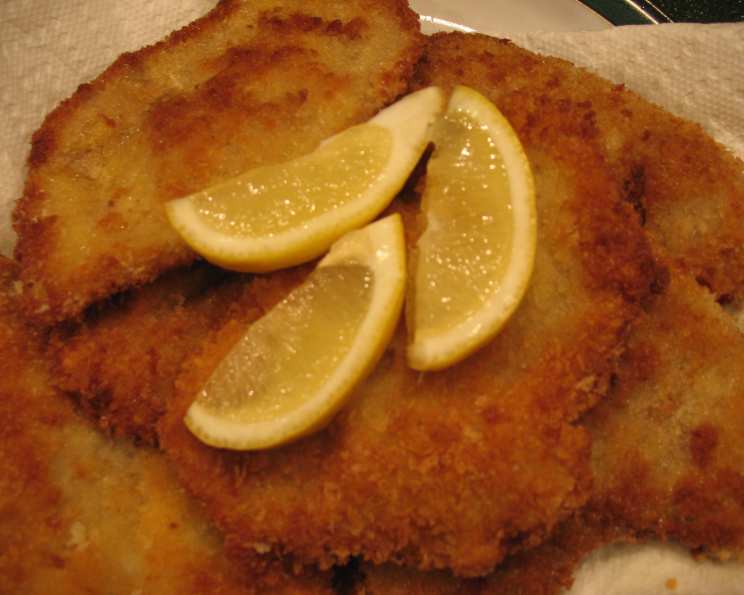
Wienerschnitzel à la Wolfgang Puck: A Culinary Ode to Childhood
My earliest memory of Wienerschnitzel isn’t from a Michelin-starred restaurant, but from my Oma’s bustling kitchen. The rhythmic pounding of veal cutlets, the aroma of melted butter mingling with lemon zest, and the satisfying crunch of the first bite – these are the sensations that transport me back to my childhood. She always served it with a simple potato salad and a bright green salad, a symphony of flavors and textures that made even the most ordinary weeknight feel special. This recipe, inspired by Wolfgang Puck’s approach, captures that same magic, elevating a classic comfort food with crispy panko breadcrumbs and a touch of modern flair.
Recipe Overview
- Prep Time: 20 minutes
- Cook Time: 15 minutes
- Total Time: 35 minutes
- Servings: 4
- Yield: 4 cutlets
- Dietary Type: Not Gluten-Free, Not Dairy-Free
Ingredients
- 4 veal cutlets, VERY thin
- Salt, to taste
- Pepper, to taste
- ½ cup flour, for dredging
- 2 eggs
- 2 tablespoons water
- 1 – 1 ½ cups panko breadcrumbs, crushed
- ½ – 1 cup peanut oil, for frying, add more as needed
- 1 lemon, cut into wedges
Equipment Needed
- Heavy, deep saucepan
- Shallow dishes for dredging
- Meat mallet (if needed)
- Paper towels
- Food processor or Ziploc bag and rolling pin (for crushing panko)
Instructions
-
Begin by preheating the peanut oil in a heavy, deep saucepan to 375 degrees F (190 degrees C). It’s crucial to use a deep pan to maintain a stable temperature and prevent splattering. A thermometer is your best friend here, ensuring consistent results.
-
Prepare the egg wash by whisking together the eggs and water in a shallow dish until well combined. Set aside.
-
If your veal cutlets aren’t already very thin (about 1/8 inch), place them between sheets of plastic wrap and gently pound them with a meat mallet until they reach the desired thickness. This step is crucial for ensuring even cooking and tenderness.
-
Season the veal cutlets generously with salt and pepper on both sides. Don’t be shy with the seasoning; it’s the foundation of the flavor.
-
To prevent the cutlets from curling during cooking, make four shallow knife cuts in a cross-hatch pattern on each cutlet. This simple technique ensures they remain flat and cook evenly.
-
Set up your dredging station. Place the flour in one shallow dish, the egg wash in another, and the crushed panko breadcrumbs in a third.
-
Now, dredge each veal cutlet in the flour, shaking off any excess. Then, dip it into the egg wash, ensuring it’s fully coated. Finally, coat the cutlet thoroughly with the crushed panko breadcrumbs, pressing gently to help them adhere. Make sure the cutlet is completely covered for maximum crispness.
-
Carefully lower the breaded veal cutlets into the preheated peanut oil. Do not overcrowd the pan; cook the cutlets in batches to maintain the oil temperature.
-
Deep fry the cutlets for about 2-3 minutes per side, or until they are golden brown and cooked through. The exact cooking time will depend on the thickness of the cutlets and the temperature of the oil.
-
Once the cutlets are golden brown and cooked through, remove them from the oil and transfer them to a plate lined with paper towels to drain any excess oil. Replenish the peanut oil as needed to maintain the level and temperature.
-
To ensure the panko breadcrumbs are crushed to the right consistency, you can use a food processor for a quick whirl or place them in a Ziploc bag and run over them with a rolling pin. You want them to be finely crushed but still have some texture for optimal crispness.
-
For easier cooking and serving, consider slicing each cutlet in half before breading. This also helps them cook more evenly.
-
Serve immediately with lemon wedges for squeezing over the cutlets. The acidity of the lemon perfectly complements the richness of the veal and the crispy breading.
Expert Tips & Tricks
-
Achieving Maximum Crispness: The secret to a truly crispy Wienerschnitzel lies in the quality of the panko breadcrumbs and the temperature of the oil. Use fresh panko and ensure the oil is consistently at 375 degrees F (190 degrees C).
-
Preventing Soggy Breading: Avoid overcrowding the pan, as this will lower the oil temperature and result in soggy breading. Cook the cutlets in batches and maintain the oil temperature.
-
Tenderizing Tough Cutlets: If your veal cutlets are not as tender as you’d like, marinate them in a mixture of milk and lemon juice for about 30 minutes before breading. This will help to tenderize the meat and add flavor.
-
Make-Ahead Tip: You can prepare the breaded cutlets ahead of time and store them in the refrigerator for up to 2 hours before frying. This is a great way to save time when you’re entertaining.
-
Flavor Boost: Add a touch of grated Parmesan cheese or dried herbs to the panko breadcrumbs for an extra layer of flavor.
Serving & Storage Suggestions
Serve your Wienerschnitzel immediately while it’s still hot and crispy. Traditionally, it’s served with a wedge of lemon for squeezing over the cutlet. Classic side dishes include basmati rice, potato salad, and a simple green salad. For a more modern twist, try serving it with roasted asparagus or a creamy mushroom sauce.
Leftover Wienerschnitzel is best stored in an airtight container in the refrigerator. It will keep for up to 3 days. To reheat, preheat your oven to 350 degrees F (175 degrees C) and bake the cutlets for about 10-15 minutes, or until heated through and crispy. Microwaving is not recommended, as it will make the breading soggy. While it’s best served fresh, reheated Wienerschnitzel can still be enjoyable.
Nutritional Information
| Nutrient | Amount per Serving | % Daily Value |
|---|---|---|
| Calories | 450 kcal | 23% |
| Total Fat | 25g | 38% |
| Saturated Fat | 6g | 30% |
| Cholesterol | 100mg | 33% |
| Sodium | 250mg | 11% |
| Total Carbohydrate | 35g | 13% |
| Dietary Fiber | 2g | 7% |
| Sugars | 3g | – |
| Protein | 20g | 40% |
Note: Nutritional information is an estimate and may vary based on specific ingredients and preparation methods.
Variations & Substitutions
-
Gluten-Free Wienerschnitzel: Substitute the all-purpose flour and panko breadcrumbs with gluten-free alternatives, such as rice flour and gluten-free panko breadcrumbs.
-
Chicken or Pork Schnitzel: If you don’t have veal on hand, you can easily substitute it with chicken or pork cutlets. Adjust the cooking time accordingly, ensuring the meat is cooked through.
-
Herb-Infused Panko: Add a tablespoon of dried herbs, such as thyme, rosemary, or oregano, to the panko breadcrumbs for a more flavorful crust.
-
Spice It Up: Add a pinch of cayenne pepper or smoked paprika to the flour mixture for a subtle kick of heat.
-
Vegetarian “Schnitzel”: Use thick slices of eggplant or firm tofu, pressed to remove excess moisture, as a vegetarian alternative.
FAQs (Frequently Asked Questions)
Q: Can I use regular breadcrumbs instead of panko?
A: While you can use regular breadcrumbs, panko breadcrumbs are highly recommended for their light and crispy texture. Panko creates a much more satisfying crunch.
Q: How do I prevent the breading from falling off during frying?
A: Ensure the veal cutlets are completely dry before dredging them in flour. Also, press the panko breadcrumbs firmly onto the cutlets to help them adhere.
Q: Can I bake the Wienerschnitzel instead of frying it?
A: Baking will not achieve the same level of crispness as frying. However, if you prefer to bake, preheat your oven to 400 degrees F (200 degrees C) and bake the breaded cutlets for about 20-25 minutes, or until golden brown and cooked through.
Q: What is the best oil for frying Wienerschnitzel?
A: Peanut oil is recommended for its high smoke point and neutral flavor. Other good options include canola oil or vegetable oil.
Q: How do I know when the Wienerschnitzel is cooked through?
A: The internal temperature of the veal should reach 145 degrees F (63 degrees C). Use a meat thermometer to check for doneness.
Final Thoughts
Wienerschnitzel is more than just a dish; it’s a culinary experience, a journey back to simpler times, and a celebration of flavor and texture. I encourage you to try this recipe and create your own memories in the kitchen. Don’t be afraid to experiment with variations and personalize it to your taste. And please, share your feedback – I’d love to hear how it turns out for you! Pair it with a crisp Grüner Veltliner for an authentic Austrian experience, and savor every delicious bite. Guten Appetit!