
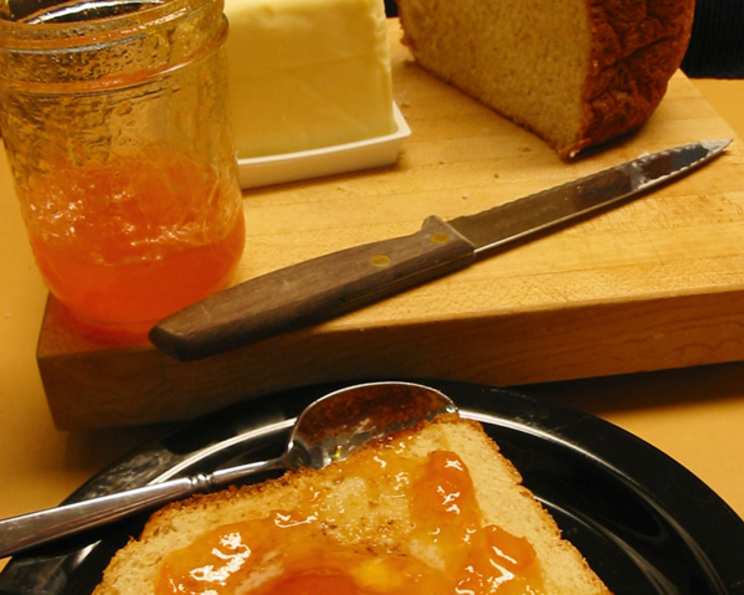
The Comfort of Home: Baking William-Sonoma Oatmeal Bread
My grandmother, Elsie, had a knack for making simple moments feel extraordinary. I still remember the aroma that would envelop her kitchen on Saturday mornings: warm, yeasty, and subtly sweet. It was the scent of Elsie’s Oatmeal Bread, a recipe she swore by, tucked away in a cookbook from her beloved bread machine. She always told me, “The best things in life are often the simplest, dearest,” and this bread, served with a pat of butter and a cup of tea, proved her point every single time. Recreating this loaf brings back those cherished memories, and I’m thrilled to share the recipe that continues to fill my kitchen with that same comforting aroma.
Recipe Overview
- Prep Time: 15 minutes
- Cook Time: 3 hours 5 minutes
- Total Time: 3 hours 20 minutes
- Servings: Varies by slice size
- Yields: 1 loaf
- Dietary Type: Vegetarian
Ingredients
- 7/8 cup water
- 2 1/2 tablespoons unsalted butter, softened
- 2 tablespoons sugar
- 3/4 teaspoon salt
- 1 cup oats (rolled or quick-cooking)
- 2 cups bread flour
- 1/4 cup dry buttermilk powder (see note below)
- 2 teaspoons yeast (active dry or instant)
- 1/2 teaspoon cinnamon (optional)
Ingredient Note: Dry buttermilk powder can be found in the baking section of most grocery stores. It has a much longer shelf life than liquid buttermilk and should be stored in the refrigerator after opening. If unavailable, you can omit it, but the bread’s texture will be slightly different.
Equipment Needed
- Bread machine
- Measuring cups and spoons
Instructions
- Begin by adding all the ingredients to the bread machine pan in the order recommended by the manufacturer of your bread machine. Most bread machines recommend adding liquids first, followed by dry ingredients, and finally, the yeast. This helps prevent the yeast from activating prematurely.
- First, pour in the water (7/8 cup) into the bread pan.
- Next, add the softened unsalted butter (2 1/2 tablespoons), cut into smaller pieces. This will help it incorporate more evenly into the dough.
- Then, add the sugar (2 tablespoons) and salt (3/4 teaspoon). Make sure to measure accurately, as these ingredients affect both the flavor and the structure of the bread.
- Now, add the oats (1 cup). You can use either rolled oats or quick-cooking oats for this recipe.
- Follow with the bread flour (2 cups). Bread flour has a higher protein content than all-purpose flour, which results in a chewier and more structured loaf.
- Add the dry buttermilk powder (1/4 cup). This ingredient adds a subtle tang and helps to create a tender crumb.
- Finally, sprinkle the yeast (2 teaspoons) on top of the dry ingredients, making sure it doesn’t come into direct contact with the liquid or salt.
- Once all the ingredients are in the bread pan, secure the pan into the bread machine.
- Close the lid and set the bread machine to the following settings: Basic White, 1 1/2 lbs loaf, Medium crust.
- Press the start button to begin the bread-making process. The bread machine will automatically knead, proof, and bake the bread.
- Allow the bread machine to complete its cycle. This process usually takes about 3 hours and 5 minutes, but it depends on your bread machine.
- Once the cycle is complete, carefully remove the bread pan from the bread machine using oven mitts. The pan will be very hot!
- Immediately turn the bread out onto a wire rack to cool completely. If the bread is stuck, gently shake the pan or use a non-stick spatula to loosen it.
- Allow the bread to cool completely before slicing. This will prevent it from becoming gummy. Cooling typically takes about an hour.
Expert Tips & Tricks
- Buttermilk Boost: If you don’t have dry buttermilk powder, you can substitute with 1/2 cup of regular buttermilk and reduce the water by 1/4 cup. Make sure to use the dough setting and check for consistancy, adding more flour as needed to prevent sticking.
- Oatmeal Infusion: For a more intense oatmeal flavor, soak the oats in the water for about 30 minutes before adding them to the bread machine.
- Yeast Power: Always check the expiration date of your yeast. Inactive yeast can result in a dense or flat loaf.
- Crust Control: For a softer crust, brush the top of the loaf with melted butter immediately after removing it from the bread machine.
- Even Bake: If your bread machine tends to bake unevenly, rotate the bread pan halfway through the baking cycle.
- Kneading is Key: If the dough is too wet or too dry, it will impact the final bread texture. Observe the kneading process and adjust water or flour accordingly, one tablespoon at a time.
- Bread Slicing: Let the bread cool completely to prevent gummy slices, a bread knife works best for achieving even slices.
Serving & Storage Suggestions
This William-Sonoma Oatmeal Bread is delicious served warm with a pat of butter, alongside a bowl of soup, or as the base for your favorite sandwiches. It’s also fantastic toasted and topped with jam, honey, or avocado.
- Room Temperature: Store the bread in an airtight container at room temperature for up to 3 days.
- Refrigerator: For longer storage, keep the bread in the refrigerator for up to a week.
- Freezer: To freeze the bread, wrap it tightly in plastic wrap and then in foil. Freeze for up to 3 months. Thaw completely at room temperature before serving. To refresh, you can toast a slice, or even lightly wet and warm in the oven for a few minutes.
Nutritional Information
Note: Nutritional information is an estimate and can vary based on specific ingredients and portion sizes.
| Nutrient | Amount per Serving | % Daily Value |
|---|---|---|
| Calories | 185 kcal | 9% |
| Total Fat | 4.0g | 5% |
| Saturated Fat | 2.5g | 13% |
| Cholesterol | 8mg | 3% |
| Sodium | 165mg | 7% |
| Total Carbohydrate | 30g | 11% |
| Dietary Fiber | 2g | 7% |
| Sugars | 2.5g | – |
| Protein | 6g | 12% |
Variations & Substitutions
- Whole Wheat Variation: Substitute up to 1 cup of the bread flour with whole wheat flour for a nuttier flavor and increased fiber content.
- Sweetener Swap: Replace the sugar with honey or maple syrup for a different flavor profile. Start with the same amount and adjust to taste.
- Seed Addition: Add 1/4 cup of flax seeds, sunflower seeds, or pumpkin seeds to the dough for added texture and nutritional value.
- Raisin or Cranberry Delight: Incorporate 1/2 cup of raisins or dried cranberries for a touch of sweetness and chewiness.
- Dairy-Free Option: Substitute the butter with a plant-based butter alternative. Make sure the alternative is unsalted. Also, omit the dry buttermilk.
- Herb Infusion: Add 1-2 tablespoons of fresh herbs like rosemary or thyme for a savory twist.
- Spiced Bread: Combine ¼ teaspoon of ground nutmeg and ¼ teaspoon of ground ginger along with the cinnamon for a wonderful flavor explosion.
FAQs (Frequently Asked Questions)
Q: Can I use all-purpose flour instead of bread flour?
A: While you can, the bread will have a slightly less chewy texture. Bread flour has a higher protein content, which is ideal for bread making.
Q: My bread is too dense. What went wrong?
A: This could be due to several factors, including inactive yeast, too much flour, or not enough water. Make sure your yeast is fresh and measure ingredients accurately.
Q: The crust is too dark. How can I prevent this?
A: Try reducing the sugar by a tablespoon or two. You can also tent the bread with foil during the last 15 minutes of baking.
Q: Can I add nuts to this bread?
A: Absolutely! Add about 1/2 cup of chopped nuts (such as walnuts or pecans) along with the other dry ingredients.
Q: How do I know when the bread is done?
A: The bread is done when it sounds hollow when tapped on the bottom and the internal temperature reaches 200-210°F (93-99°C). For bread machine breads, rely on the machine’s timer.
Final Thoughts
Now it’s your turn to create a loaf of comfort. I hope this recipe brings as much joy to your kitchen as it has to mine, and that it becomes a cherished memory for you and your loved ones. Whether you serve it simply with butter, alongside a hearty soup, or as a blank canvas for your culinary creations, this William-Sonoma Oatmeal Bread is sure to delight. Don’t hesitate to experiment with the variations and substitutions to make it your own. Enjoy, and happy baking!