
Wonderful Salsa: A Taste of Summer All Year Round
The scent of ripe tomatoes simmering with onions and peppers always takes me back to my grandmother’s kitchen. Every summer, she would transform mountains of garden vegetables into jars of vibrant salsa, a tradition I eagerly continue. The first bite of that homemade salsa, bursting with fresh flavors, was always a revelation, a reminder that the simplest ingredients, when combined with love and patience, can create something truly extraordinary. It’s a flavor I cherish, and one I’m thrilled to share with you.
Recipe Overview
- Prep Time: 30 minutes
- Cook Time: 20 minutes
- Total Time: 50 minutes
- Yields: 3-6 quarts or pints
- Serves: 96
- Dietary Type: Vegan, Gluten-Free
Ingredients
- 8 cups tomatoes, peeled, chopped and drained
- 2 1/2 cups onions, chopped
- 1 1/2 cups green peppers, chopped
- 1 cup jalapeno pepper, chopped
- 6 cloves garlic, minced
- 2 teaspoons cumin
- 2 teaspoons pepper
- 1/8 cup canning salt
- 1/3 cup sugar
- 1/3 cup vinegar
- 1 (15 ounce) can tomato sauce
- 1 (12 ounce) can tomato paste
Equipment Needed
- Large stockpot
- Canning jars (pints or quarts) with lids and rings
- Jar lifter
- Canning funnel
- Large spoon
- Water bath canner
Instructions
- Prepare your canning jars. Wash jars, lids, and rings in hot, soapy water. Rinse well. Keep jars hot until ready to fill. You can do this by placing them in a simmering water bath or in a warm (200°F) oven.
- In a large stockpot, combine the drained chopped tomatoes, chopped onions, chopped green peppers, chopped jalapeno pepper, and minced garlic.
- Add the cumin, pepper, canning salt, sugar, vinegar, tomato sauce, and tomato paste to the pot.
- Stir all ingredients together thoroughly until well combined.
- Bring the mixture to a slow boil over medium-high heat, stirring frequently to prevent scorching.
- Once boiling, reduce the heat to maintain a gentle simmer and continue cooking for 10 minutes, stirring occasionally. This allows the flavors to meld together beautifully.
- Carefully fill the hot jars with the hot salsa, leaving 1/2 inch of headspace. Use a canning funnel to avoid spills.
- Remove any air bubbles by gently tapping the jars on the counter or using a non-metallic spatula.
- Wipe the jar rims clean with a damp cloth to ensure a good seal.
- Place the lids on the jars and screw on the rings until fingertip tight (not too tight, just snug).
- Using a jar lifter, carefully lower the filled jars into a boiling water bath canner. Ensure the jars are covered by at least 1 inch of water.
- Bring the water to a rolling boil. Process the jars for 10 minutes. Adjust processing time for altitude according to canning guidelines (usually adding time for higher elevations).
- After processing, turn off the heat and let the jars sit in the canner for 5 minutes before removing them. This helps prevent siphoning.
- Carefully remove the jars from the canner using the jar lifter and place them on a towel-lined surface to cool.
- Let the jars cool completely, undisturbed, for 12-24 hours. You should hear a “pop” sound as the lids seal.
- After the cooling period, check the seals by pressing down on the center of each lid. If the lid doesn’t flex or give, it’s properly sealed. If a lid flexes, it’s not sealed, and you should refrigerate that jar and use it within a few weeks or reprocess it with a new lid.
- Remove the rings (they can rust in storage) and label the jars with the date. Store in a cool, dark place.
Expert Tips & Tricks
- Draining the Tomatoes: Draining the chopped tomatoes is crucial to prevent a watery salsa. You can use a colander or a cheesecloth-lined sieve. For an even thicker salsa, roast the tomatoes before chopping. Roasting concentrates their flavor and reduces moisture.
- Heat Level: This recipe makes a medium salsa. For a milder salsa, reduce the amount of jalapeno pepper or remove the seeds and membranes before chopping. For a spicier salsa, increase the amount of jalapeno pepper or add a pinch of cayenne pepper. Always taste and adjust as you cook!
- Texture: For a smoother salsa, you can use a food processor to pulse the vegetables after they have simmered. Be careful not to over-process, or you will end up with a puree. A few pulses will give you a nice, slightly chunky texture.
- Tomato Variety: Roma tomatoes and other paste-type tomatoes are excellent for salsa because they have fewer seeds and less water content. If using other varieties, be sure to drain them well.
- Acid Adjustment: While the tested pH of this recipe makes it safe for canning, you can always add a tablespoon or two of bottled lemon juice to the pot along with the other ingredients to ensure the proper acidity for canning. Always use bottled lemon juice, as the acidity of fresh lemons can vary.
- Jar Size: This recipe can be made into either quarts or pints. If using pints, the processing time remains the same, 10 minutes.
Serving & Storage Suggestions
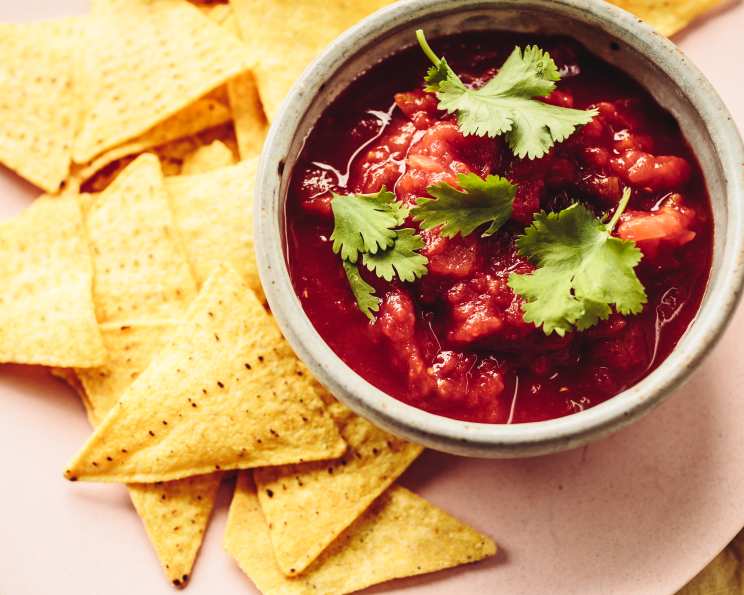
This wonderful salsa is incredibly versatile. Serve it with tortilla chips as an appetizer, use it as a topping for tacos, burritos, or nachos, or add it to scrambled eggs for a flavorful breakfast. It’s also delicious as a marinade for chicken or fish.
Properly sealed jars can be stored in a cool, dark place for at least a year. Once opened, refrigerate the salsa and use it within 1-2 weeks. Unsealed jars should be refrigerated immediately and consumed within a few weeks. This salsa is best served chilled or at room temperature.
Nutritional Information
Note: Nutritional information is an estimate and may vary based on specific ingredients and portion sizes.
| Nutrient | Amount per Serving | % Daily Value |
|---|---|---|
| Calories | 12.5 kcal | N/A |
| Total Fat | 0.1 g | 0% |
| Saturated Fat | 0 g | 0% |
| Cholesterol | 0 mg | 0% |
| Sodium | 200.1 mg | 8% |
| Total Carbohydrate | 2.9 g | 0% |
| Dietary Fiber | 0.6 g | 2% |
| Sugars | 2 g | N/A |
| Protein | 0.4 g | 0% |
Variations & Substitutions
- Roasted Salsa: Roast the tomatoes, onions, peppers, and garlic before chopping and simmering for a smoky, deep flavor.
- Fruit Salsa: Add diced mango, pineapple, or peach for a sweet and spicy twist. Adjust the sugar accordingly.
- Black Bean & Corn Salsa: Stir in cooked black beans and corn kernels after simmering for a heartier salsa.
- Herb Salsa: Add fresh herbs like cilantro, oregano, or basil at the end of cooking for a brighter flavor.
- Smoked Paprika: Substitute smoked paprika for the regular pepper for a smoky depth.
- Maple Syrup: Try using maple syrup in place of the sugar.
FAQs (Frequently Asked Questions)
Q: Why is it important to drain the tomatoes?
A: Draining the tomatoes removes excess water, preventing the salsa from becoming too thin and watery. This helps to concentrate the flavors.
Q: Can I adjust the amount of jalapeno pepper?
A: Absolutely! Adjust the amount of jalapeno pepper to suit your preferred level of spiciness. Remove the seeds and membranes for a milder salsa.
Q: How do I know if my jars are properly sealed?
A: After cooling, press down on the center of each lid. If the lid doesn’t flex or give, it’s properly sealed. If a lid flexes, it’s not sealed and should be refrigerated.
Q: Can I use this salsa recipe for other vegetables?
A: While this recipe is specifically designed for tomatoes, you can experiment with adding other vegetables like zucchini or corn, but be mindful of the water content and adjust cooking times accordingly.
Q: How long will the sealed jars of salsa last?
A: Properly sealed jars of salsa can be stored in a cool, dark place for at least a year. For best quality, use within two years.
Final Thoughts
I truly hope you enjoy making this wonderful salsa as much as my family and I do. It’s a labor of love that yields incredible results. Feel free to experiment with different variations and find your perfect flavor combination. Don’t hesitate to share your creations and feedback! I love using this salsa with grilled fish tacos, alongside a cool margarita – a perfect summer evening!