
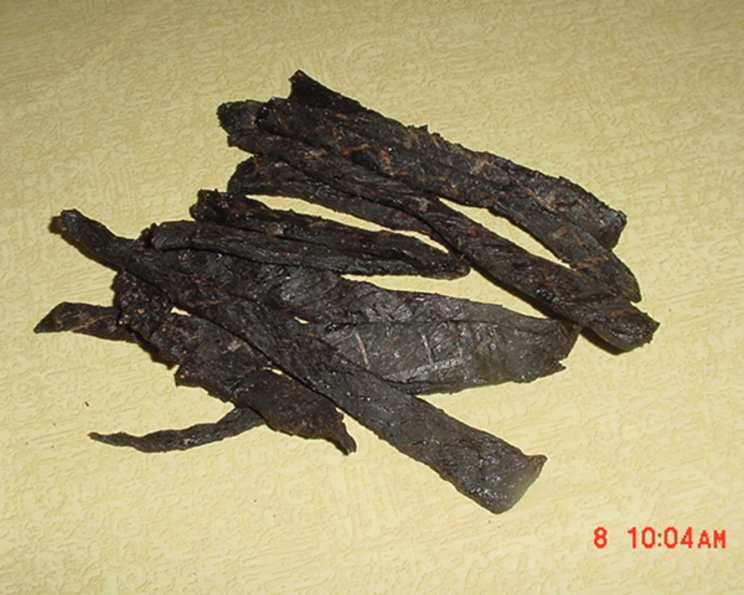
World Class Beef Jerky: A Taste of Homemade Perfection
The scent of jerky always takes me back to family road trips across the American West. Dad, ever the provider, would have a massive bag stashed in the glove compartment. We’d tear into it, the salty, smoky, and savory strips a constant companion against the backdrop of endless desert highways and towering rock formations. The taste of that jerky, often a gas station brand, wasn’t always stellar, but the experience was pure gold. That’s why I was on a mission to create a beef jerky recipe that captured the spirit of those adventures, but with a flavor profile that was truly world-class. And, after many iterations, I think I have nailed it!
Recipe Overview
- Prep Time: 15 minutes
- Marinating Time: 8 hours or overnight
- Cook Time: 4+ hours (depending on dehydrator)
- Total Time: 8 hours 15 minutes+
- Yields: 1 lb
- Dietary Type: High Protein
Ingredients
- 2 lbs beef round steak, cut into thin strips
- ¼ cup soy sauce
- 2 tablespoons Worcestershire sauce
- 2 tablespoons liquid smoke
- 2 tablespoons brown sugar
- 1 teaspoon ground black pepper
- 1 teaspoon meat tenderizer
- 1 teaspoon garlic powder
- 1 teaspoon onion powder
- 1 teaspoon paprika
Equipment Needed
- Large bowl
- Plastic wrap
- Meat mallet or rolling pin
- Dehydrator
Instructions
- Begin by preparing the marinade. In a large bowl, combine the soy sauce, Worcestershire sauce, liquid smoke, brown sugar, ground black pepper, meat tenderizer, garlic powder, onion powder, and paprika. Stir well to ensure the brown sugar is dissolved.
- Add the beef strips to the bowl, ensuring that each piece is fully coated in the marinade. Mix thoroughly, using your hands if necessary, to get every nook and cranny covered.
- Cover the bowl tightly with plastic wrap or transfer the marinated beef to a resealable bag. Refrigerate for at least 8 hours, or preferably overnight, to allow the flavors to fully penetrate the meat. The longer it marinates, the more flavorful the final product will be.
- Once the marinating process is complete, remove the beef strips from the bowl. Discard the remaining marinade.
- This next step is crucial for achieving the perfect texture: Place the beef strips between two pieces of plastic wrap. Using a meat mallet or rolling pin, pound the strips to approximately 1/8-inch thickness. This tenderizes the meat and helps it dry evenly. Aim for uniform thickness across all strips.
- Arrange the flattened meat strips in a single layer on the trays of your dehydrator, ensuring that the strips do not overlap. Overlapping can prevent proper air circulation and lead to uneven drying.
- Set your dehydrator to its highest setting. The drying time will vary depending on your dehydrator model and the humidity levels in your environment. Expect it to take at least 4 hours, but it could take longer. Periodically check the jerky for doneness.
- The jerky is done when it is leathery, flexible, and slightly pliable. It should not be brittle or crumbly. To test, remove a strip from the dehydrator and let it cool slightly. Bend it; it should crack but not break completely. If it’s still too soft, return it to the dehydrator for further drying.
Expert Tips & Tricks
- Selecting Your Beef: Opt for a lean cut of beef like round steak. Excess fat will spoil the jerky more quickly and can make it greasy. Remove any visible fat before slicing.
- Slicing the Beef: For consistent drying, aim for even slices. Partially freezing the beef for about 30 minutes before slicing can make it easier to achieve thin, uniform strips.
- Enhancing the Marinade: Feel free to experiment with different flavors in your marinade. A dash of cayenne pepper for heat, a spoonful of honey for sweetness, or a splash of apple cider vinegar for tang can all add unique dimensions to your jerky.
- Dehydrator Temperature: While most dehydrators have a “jerky” setting, monitoring the internal temperature of the meat is important. Aim for a temperature of 160°F (71°C) for at least 30 minutes to ensure any potential bacteria are killed. This can be achieved by preheating the beef in an oven before dehydrating or by increasing the dehydrator’s temperature. Always check your local food safety guidelines.
- Oven Alternative: If you don’t have a dehydrator, you can use your oven. Set it to the lowest possible temperature (ideally around 170°F/77°C), prop the door open slightly to allow moisture to escape, and arrange the meat strips on a wire rack placed over a baking sheet. The drying time will be longer, potentially 6-8 hours.
Serving & Storage Suggestions
Serve your homemade beef jerky as a high-protein snack on its own, or pack it for hiking trips, camping adventures, or long car rides. It’s also a great addition to charcuterie boards or as a topping for salads.
Store the jerky in an airtight container or resealable bag. Properly stored, it will last for 1-2 weeks at room temperature. For longer storage, refrigerate it for up to a month or freeze it for up to six months. Thaw in the refrigerator before consuming.
Nutritional Information
| Nutrient | Amount per Serving | % Daily Value |
|---|---|---|
| Calories | 205.3 kcal | N/A |
| Calories from Fat | 4 g | 2% |
| Total Fat | 0.5 g | 0% |
| Saturated Fat | 0.1 g | 0% |
| Cholesterol | 0 mg | 0% |
| Sodium | 4368.5 mg | 182% |
| Total Carbohydrate | 44.6 g | 14% |
| Dietary Fiber | 2.6 g | 10% |
| Sugars | 31.9 g | N/A |
| Protein | 8.9 g | 17% |
Please note: Nutritional information is an estimate and may vary based on specific ingredients and serving sizes.
Variations & Substitutions
- Spicy Jerky: Add a teaspoon of red pepper flakes or a dash of hot sauce to the marinade for a spicy kick.
- Sweet and Savory Jerky: Replace some of the brown sugar with honey or maple syrup for a sweeter profile.
- Teriyaki Jerky: Use a teriyaki marinade instead of the soy sauce and Worcestershire sauce combination.
- Venison or Turkey Jerky: Substitute beef with venison or turkey for a leaner jerky option. Adjust drying times accordingly.
- Lower Sodium: Use a low-sodium soy sauce to reduce the overall sodium content.
FAQs (Frequently Asked Questions)
Q: How do I know when the jerky is done?
A: The jerky should be leathery, flexible, and slightly pliable. It should crack but not break completely when bent. If it’s still too soft, continue dehydrating.
Q: Can I make this recipe without a dehydrator?
A: Yes, you can use an oven set to the lowest possible temperature with the door slightly ajar to allow moisture to escape. This process will take longer than using a dehydrator.
Q: How long does homemade jerky last?
A: Properly stored in an airtight container, homemade jerky will last for 1-2 weeks at room temperature, up to a month in the refrigerator, or up to six months in the freezer.
Q: Can I use different cuts of beef?
A: While round steak is recommended for its leaness, you can use other lean cuts of beef such as flank steak or sirloin. Trim away any excess fat before marinating.
Q: Why is my jerky tough?
A: Tough jerky can be caused by over-drying or using a cut of beef that is not lean enough. Ensure you’re using a lean cut, slicing against the grain, and not over-drying the meat. Pounding the meat thin also helps.
Final Thoughts
This World Class Beef Jerky recipe is more than just a list of ingredients and instructions; it’s an invitation to create your own flavorful memories. Whether you’re recreating childhood road trips or embarking on new adventures, the taste of homemade jerky will add a special touch to every moment. So, gather your ingredients, fire up your dehydrator (or oven), and get ready to experience the satisfaction of crafting your own batch of world-class jerky. And remember, don’t be afraid to experiment with different flavors and seasonings to create your very own signature blend. I encourage you to try this recipe and share your feedback! Let me know what flavor combinations you come up with; I’m always excited to hear your creations!