
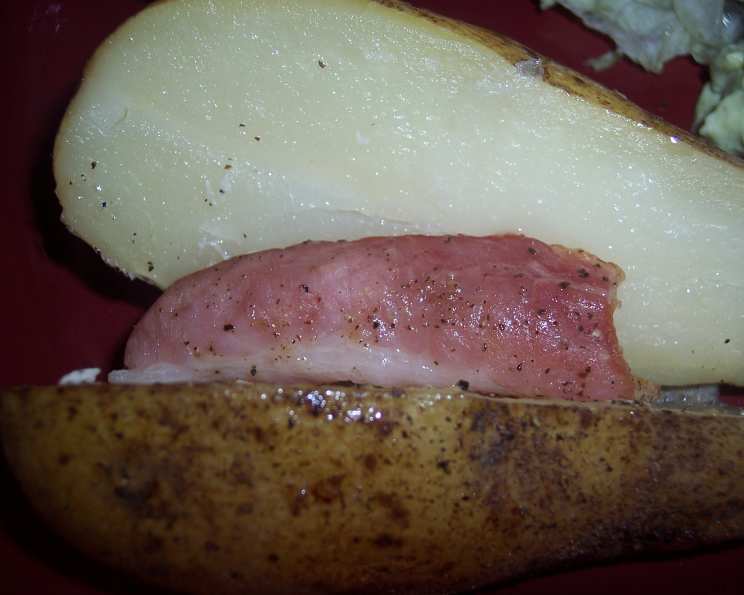
World’s Best Baked Potato
My grandmother, bless her heart, wasn’t known for culinary innovation. Her cooking was simple, hearty, and always comforting. But there was one dish, a baked potato so intensely flavored and decadently rich, that stood head and shoulders above the rest. I remember sneaking into her kitchen as a child, the aroma of smoky bacon and melting butter clinging to the air, anticipating the sheer bliss of that first bite. It wasn’t just a potato; it was a warm hug on a plate, a taste of pure, unadulterated happiness. This recipe, passed down with love (and a gentle warning about cholesterol), is my attempt to recreate that cherished memory.
Recipe Overview
- Prep Time: 5 minutes
- Cook Time: 1 hour
- Total Time: 1 hour 5 minutes
- Servings: 1
- Dietary Type: Not specified
Ingredients
- 1 medium potato
- 2 slices bacon
- 1 tablespoon butter
- Salt and pepper to taste
Equipment Needed
- Oven
- Aluminum foil
- Fork
Instructions
- Begin by selecting a medium-sized potato. Russet potatoes are a classic choice for baking due to their high starch content, which results in a fluffy interior.
- With a sharp knife, carefully split the potato lengthwise, almost all the way through, creating a pocket for the fillings. Be careful not to cut completely through, as you want the two halves to remain connected.
- Generously season the inside of the potato with butter, salt, and pepper. The butter will melt and infuse the potato with richness, while the salt and pepper enhance its natural flavor.
- Nestle the bacon slices into the split of the potato. If the bacon slices are long, you may need to fold them to fit properly. The bacon will render its fat as it cooks, further flavoring the potato.
- Wrap the stuffed potato tightly in aluminum foil. This will help to steam the potato, ensuring a tender and evenly cooked result. Make sure the foil is sealed well to trap the moisture and heat.
- Cook the wrapped potato slowly in preheated coals or in a 350°F (175°C) oven for one hour, or until the potato is tender when pierced with a fork. The cooking time may vary depending on the size and type of potato, so check for doneness after about 45 minutes.
- Once the potato is cooked through and fork-tender, carefully remove it from the oven. Unwrap the foil, being cautious of escaping steam.
- Remove the bacon from the potato before serving. While some prefer to leave it in, removing it ensures that it doesn’t become overly crisp during the serving process. Save the bacon to top the potato with!
- (Optional) Melt some additional butter and add a dollop of sour cream to pour over the potato. This adds extra richness and tanginess, complementing the flavors of the bacon and potato.
Expert Tips & Tricks
- Preheating is Key: Ensure your oven is fully preheated to 350°F (175°C) before baking. This helps the potato cook evenly and prevents it from drying out.
- Poke Holes: Before wrapping the potato in foil, poke a few holes in it with a fork. This allows steam to escape and prevents the potato from exploding in the oven.
- Crispy Skin: For a crispy skin, rub the potato with olive oil and sprinkle with salt before wrapping it in foil. The oil helps to create a barrier that allows the skin to crisp up in the oven.
- Don’t Overcook: Overcooked potatoes can become dry and mealy. Check for doneness by piercing the potato with a fork; it should be tender and easily pierced.
- Flavor Infusion: To enhance the flavor of the potato, try adding a clove of minced garlic or a sprig of fresh rosemary to the butter mixture before seasoning the potato.
Serving & Storage Suggestions
Serve this baked potato immediately while it’s hot and the flavors are at their peak. Garnish with extra bacon crumbles, chopped chives, shredded cheese, or a dollop of sour cream.
Leftovers can be stored in the refrigerator for up to 3 days. To reheat, wrap the potato in foil and bake in a 350°F (175°C) oven for about 15-20 minutes, or until heated through. You can also microwave it, but the skin may become soft. Reheated potatoes may not have the same fluffy texture as freshly baked ones.
Nutritional Information
| Nutrient | Amount per Serving | % Daily Value |
|---|---|---|
| Calories | 473.4 kcal | N/A |
| Calories from Fat | 289 kcal | 61% |
| Total Fat | 32.1 g | 49% |
| Saturated Fat | 14.2 g | 70% |
| Cholesterol | 61.4 mg | 20% |
| Sodium | 472.2 mg | 19% |
| Total Carbohydrate | 37.5 g | 12% |
| Dietary Fiber | 4.7 g | 18% |
| Sugars | 1.7 g | 6% |
| Protein | 9.7 g | 19% |
Variations & Substitutions
- Sweet Potato Version: Substitute the russet potato with a sweet potato for a naturally sweeter and more nutritious option. The bacon and butter complement the sweetness beautifully.
- Vegetarian Option: Omit the bacon and use a vegetarian bacon substitute or add sautéed mushrooms, onions, and bell peppers for a flavorful filling.
- Dairy-Free Option: Substitute the butter with olive oil or a plant-based butter alternative. Use a dairy-free sour cream or a cashew-based cream for topping.
- Spice It Up: Add a pinch of cayenne pepper or a dash of hot sauce to the butter mixture for a spicy kick.
- Herb Infusion: Experiment with different herbs like thyme, oregano, or parsley to create unique flavor profiles.
FAQs (Frequently Asked Questions)
Q: Can I use a different type of potato?
A: Yes, while russet potatoes are classic, other varieties like Yukon Gold or red potatoes can also be used. The cooking time may need to be adjusted depending on the potato type.
Q: Can I bake the potato without foil?
A: Yes, baking without foil will result in a crispier skin. However, the inside of the potato may not be as fluffy. Rub the potato with oil and salt before baking for best results.
Q: How do I know when the potato is done?
A: The potato is done when it’s tender when pierced with a fork. The internal temperature should reach around 210°F (99°C).
Q: Can I prepare this potato ahead of time?
A: While it’s best served fresh, you can bake the potato ahead of time and reheat it later. Reheating may slightly affect the texture.
Q: Can I freeze leftover baked potato?
A: Freezing baked potatoes is not recommended as the texture can become mushy upon thawing. It’s best to store leftovers in the refrigerator and consume within a few days.
Final Thoughts
This simple baked potato recipe is more than just a side dish; it’s a blank canvas for your culinary creativity. Feel free to experiment with different fillings, seasonings, and toppings to create your own signature version. Whether you’re looking for a comforting weeknight meal or a crowd-pleasing appetizer, this recipe is sure to impress. Don’t be afraid to get creative and make it your own! Enjoy, and please share your feedback – I’d love to hear how you personalized this family favorite!