
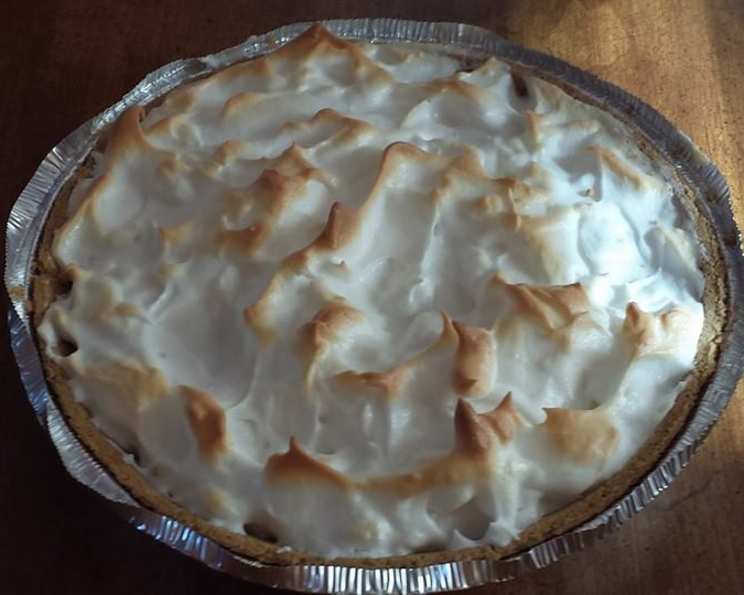
World’s Best Lemon Meringue Pie
The scent of lemon still transports me back to my grandmother’s kitchen. Every summer, the culmination of her baking was always a lemon meringue pie. The tangy, bright filling, the impossibly tall, billowy meringue, and the buttery, crumbly crust – it was sunshine on a plate. She always said the secret was in the love she poured into it, and maybe that’s true, but I’ve spent years perfecting my own version, and I think I’m finally ready to share it.
Recipe Overview
- Prep Time: 25 minutes
- Cook Time: 27 minutes
- Total Time: 52 minutes
- Servings: 8
- Yield: 1 pie
- Dietary Type: Not Gluten-Free
Ingredients
- For the Filling:
- 1 ½ cups sugar
- 7 tablespoons cornstarch
- 1 dash salt
- 1 ½ cups water
- 3 egg yolks, beaten
- 1 teaspoon lemon rind, grated
- 2 tablespoons butter
- ⅓ cup lemon juice
- For the Crust:
- 1 pie crust, baked (use your favorite recipe or store-bought)
- For the Meringue:
- 3 egg whites
- 1 teaspoon lemon juice
- 6 tablespoons sugar
Equipment Needed
- Saucepan
- Whisk
- Measuring cups and spoons
- Electric mixer (handheld or stand)
- Pie dish
- Rubber spatula
Instructions
-
Prepare the Filling: In a medium saucepan, combine the sugar, cornstarch, and salt. Whisk to ensure there are no lumps.
-
Add Water: Gradually blend in the water, stirring constantly to create a smooth mixture.
-
Cook the Filling: Place the saucepan over medium heat. Continue stirring constantly, bringing the mixture to a boil. Cook and stir until the filling becomes thick and translucent, about 5 minutes. Don’t stop stirring, as this will prevent scorching!
-
Temper the Egg Yolks: Remove the saucepan from the heat. In a separate small bowl, place your beaten egg yolks. Slowly drizzle a small amount of the hot sugar mixture into the egg yolks, whisking constantly to temper them. This prevents the eggs from scrambling when added to the hot mixture.
-
Combine and Cook Again: Pour the tempered egg yolk mixture back into the saucepan with the remaining hot sugar mixture. Return the saucepan to the heat and bring to a boil, cooking for one minute, stirring constantly.
-
Flavor the Filling: Remove the saucepan from the heat. Stir in the grated lemon rind and butter until the butter is completely melted and incorporated.
-
Add Lemon Juice: Slowly stir in the lemon juice. The filling should be thick, glossy, and have a vibrant lemon flavor.
-
Cool Slightly: Allow the filling to cool to lukewarm. This will prevent the crust from becoming soggy.
-
Pour into Crust: Pour the cooled filling into the prepared and cooled baked pie crust.
-
Prepare the Meringue: In a clean, dry mixing bowl, beat the egg whites with the 1 teaspoon lemon juice until soft peaks form. The lemon juice helps stabilize the egg whites and create a firmer meringue.
-
Add Sugar Gradually: Gradually add the sugar, one tablespoon at a time, beating continuously until stiff, glossy peaks form and ALL the sugar has completely dissolved. To test for dissolved sugar, rub a small amount of meringue between your fingers. If it feels gritty, continue beating until smooth.
-
Spread the Meringue: Immediately spread the meringue over the lemon filling, making sure to SEAL the meringue to the edges of the pastry crust. This is crucial to prevent the meringue from shrinking during baking. You can create decorative swirls with the back of a spoon or a spatula.
-
Bake: Bake the pie in a preheated oven at 350 degrees Fahrenheit (175 degrees Celsius) for 12 to 15 minutes, or until the meringue is golden brown. Watch it carefully, as the meringue can burn quickly.
-
Cool Completely: Remove the pie from the oven and allow it to cool COMPLETELY at room temperature before slicing and serving. This is very important, as cutting into a warm pie will result in a runny filling.
Expert Tips & Tricks
- Blind Bake Your Crust: For an extra-crisp crust, blind bake it fully before adding the filling. This means baking the crust with pie weights or dried beans to prevent it from puffing up.
- Perfect Meringue: Make sure your mixing bowl and beaters are absolutely clean and free of any grease before making the meringue. Any trace of fat can prevent the egg whites from whipping properly.
- Prevent Weeping Meringue: Adding a pinch of cream of tartar to the egg whites can help stabilize the meringue and prevent weeping (the formation of liquid droplets on the surface).
- Torch the Meringue: If you prefer a more intensely browned meringue, you can use a kitchen torch to lightly caramelize the top after baking.
- Homemade Crust is Key: While store-bought crusts work, a homemade pie crust truly elevates this dessert. Use an all-butter recipe for maximum flakiness.
Serving & Storage Suggestions
Serve the lemon meringue pie chilled or at room temperature. Garnish with a sprig of mint or a few fresh berries for an elegant presentation.
Leftover pie should be stored in the refrigerator, covered loosely with plastic wrap or in an airtight container. It will keep for up to 3 days, but the meringue may start to soften over time. The pie is best enjoyed fresh, as the meringue’s texture degrades in the fridge. Freezing is not recommended, as the meringue will become very watery upon thawing.
Nutritional Information
| Nutrient | Amount per Serving | % Daily Value |
|---|---|---|
| Calories | 375 kcal | 19% |
| Total Fat | 18g | 28% |
| Saturated Fat | 8g | 40% |
| Cholesterol | 70mg | 23% |
| Sodium | 200mg | 8% |
| Total Carbohydrate | 50g | 17% |
| Dietary Fiber | 1g | 4% |
| Sugars | 35g | N/A |
| Protein | 5g | 10% |
Nutritional information is an estimate and may vary based on specific ingredients and serving sizes.
Variations & Substitutions
- Gluten-Free: Use a gluten-free pie crust recipe or a store-bought gluten-free crust.
- Vegan: While traditionally made with eggs, you can create a surprisingly delicious vegan lemon meringue pie using aquafaba (the liquid from canned chickpeas) for the meringue and a vegan custard filling.
- Lime Meringue Pie: Substitute lime juice for lemon juice for a tangy twist.
- Different Crusts: Experiment with graham cracker crust, shortbread crust, or even a chocolate crust for a unique flavor combination.
- Lemon Zest Boost: For an even more intense lemon flavor, add an extra teaspoon of lemon zest to the filling.
FAQs (Frequently Asked Questions)
Q: Why is my meringue weeping?
A: Weeping usually happens because the sugar wasn’t fully dissolved in the egg whites, or the meringue wasn’t properly sealed to the crust. Make sure to beat the meringue until stiff, glossy peaks form and seal it to the edges of the crust.
Q: Can I use store-bought lemon juice?
A: Freshly squeezed lemon juice is always preferred for its superior flavor, but store-bought juice can be used in a pinch.
Q: How do I prevent the crust from getting soggy?
A: Blind baking the crust and allowing the filling to cool slightly before pouring it in will help prevent a soggy crust.
Q: What if my meringue burns?
A: If the meringue is browning too quickly, loosely tent the pie with aluminum foil during the last few minutes of baking.
Q: Can I make the filling ahead of time?
A: The lemon filling can be made a day in advance and stored in the refrigerator. However, the meringue should be made and baked immediately before serving.
Final Thoughts
This lemon meringue pie is more than just a dessert; it’s a slice of sunshine, a taste of nostalgia, and a testament to the joy of baking. I encourage you to try this recipe and share the deliciousness with your loved ones. It takes a little patience, but the reward is well worth the effort. Don’t be afraid to experiment and make it your own. And please, let me know what you think! I’d love to hear about your lemon meringue pie adventures. Maybe serve it with a refreshing glass of iced tea or a crisp white wine for the perfect summer treat. Happy baking!