
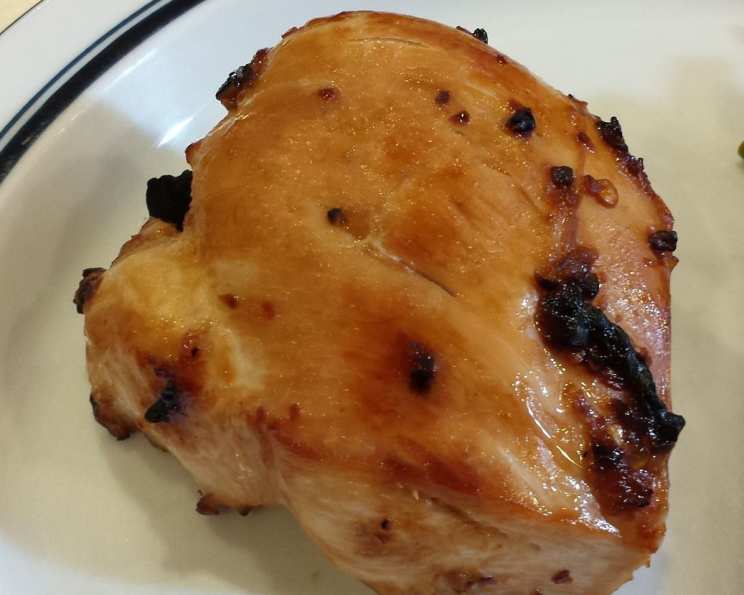
Yakitori: Skewers of Japanese Delight
The first time I tasted yakitori, I was wandering through the vibrant, neon-lit streets of Osaka. The smoky aroma drew me to a tiny, bustling stall where a chef expertly flipped skewers of glistening chicken over hot coals. The sweet, savory, umami-rich sauce coating the perfectly charred meat was an explosion of flavor. It was more than just a meal; it was a cultural experience, a moment of pure culinary joy I’ve been chasing ever since. Recreating that magic at home is easier than you might think, and I’m excited to share my version of this classic Japanese street food!
Recipe Overview
- Prep Time: 15 minutes
- Cook Time: 10-15 minutes
- Total Time: 25-30 minutes
- Servings: 4
- Yield: 8 skewers
- Dietary Type: Gluten-Free (with tamari instead of soy sauce)
Ingredients
- 2 lbs boneless, skinless chicken thighs, cut into ¾ inch cubes
- 8 scallions, cut crosswise into ¾ inch pieces
For the Yakitori Sauce:
- 1 cup sake
- ½ cup mirin
- 2 cloves garlic, pressed
- 1 tsp fresh ginger, minced
- ½ tsp crushed red pepper flakes
- 3 tbsp sugar
- 2 tbsp dark soy sauce
- ½ cup soy sauce
Optional Garnishes:
- Dash of ground sansho pepper
- Dash of Japanese 7 spice powder (Shichimi Togarashi)
- Cooked white rice, for serving
Equipment Needed
- Small pot
- Grill (gas or charcoal) or grill pan
- Skewers (bamboo or metal)
- Pastry brush
Instructions
-
Prepare the Chicken and Scallions: Cut the chicken thigh meat into ¾ inch cubes. Cut the scallions crosswise into ¾ inch pieces.
-
Thread the Skewers: Thread the chicken and scallion pieces onto the skewers, alternating between them. Aim for about 5-6 pieces of chicken and 4-5 pieces of scallion per skewer, depending on the length of your skewers.
-
Make the Sauce: In a small pot, combine the sake, mirin, garlic, ginger, red pepper flakes, sugar, dark soy sauce, and soy sauce.
-
Simmer the Sauce: Bring the sauce to a simmer over medium heat. Reduce the heat slightly and simmer for 5-10 minutes, or until the sauce has reduced by about one quarter and thickened slightly. Stir occasionally to prevent sticking. Remove from heat and set aside.
-
Prepare the Grill: Preheat your grill to medium-high heat. If using charcoal, ensure the coals are evenly distributed and have a light coating of ash. If using a grill pan, heat it over medium-high heat until it’s hot.
-
Grill the Skewers: Place the yakitori skewers on the preheated grill. Grill for 2 minutes, then brush with the yakitori sauce.
-
Continue Grilling and Glazing: Turn the skewers and brush the other side with the sauce. Grill for 5-8 minutes more, turning and brushing with sauce every 2 minutes, until the chicken is cooked through and nicely glazed. The internal temperature of the chicken should reach 165°F (74°C).
-
Serve: Remove the yakitori skewers from the grill and serve immediately. If desired, sprinkle with sansho pepper and Japanese 7 spice powder. Serve with hot cooked white rice.
Expert Tips & Tricks
- Soaking Bamboo Skewers: If using bamboo skewers, soak them in water for at least 30 minutes before threading the chicken and scallions. This will prevent them from burning on the grill.
- Chicken Thighs are Key: Using chicken thighs is essential for juicy and flavorful yakitori. Chicken breasts tend to dry out easily on the grill.
- Don’t Overcook: Overcooking the chicken will result in dry, tough yakitori. Use a meat thermometer to ensure the chicken is cooked through but still moist.
- Sauce Consistency: The yakitori sauce should be slightly thickened but still pourable. If it becomes too thick, add a tablespoon or two of water to thin it out.
- Grill Marks: To achieve beautiful grill marks, avoid moving the skewers around too much while grilling. Let them sit for a minute or two on each side before turning.
- Make-Ahead Tip: The yakitori sauce can be made ahead of time and stored in the refrigerator for up to a week. You can also thread the skewers in advance and store them in the refrigerator for up to 24 hours. Just be sure to keep the raw chicken properly refrigerated and covered.
Serving & Storage Suggestions
Serve the yakitori skewers hot off the grill, garnished with sansho pepper and Japanese 7 spice powder if desired. They are traditionally served with a side of steaming hot white rice. Leftover yakitori can be stored in an airtight container in the refrigerator for up to 3 days. Reheat gently in a skillet or microwave until warmed through. The texture of the chicken might change slightly upon reheating, but the flavor will still be delicious. I do not recommend freezing cooked yakitori, as the texture can become quite rubbery.
Nutritional Information
| Nutrient | Amount per Serving | % Daily Value |
|---|---|---|
| Calories | 450 kcal | 23% |
| Total Fat | 25g | 38% |
| Saturated Fat | 7g | 35% |
| Cholesterol | 180mg | 60% |
| Sodium | 1500mg | 63% |
| Total Carbohydrate | 15g | 5% |
| Dietary Fiber | 1g | 4% |
| Sugars | 8g | – |
| Protein | 40g | 80% |
Note: Nutritional information is an estimate and may vary based on specific ingredients and portion sizes.
Variations & Substitutions
- Gluten-Free Yakitori: To make this recipe gluten-free, use tamari instead of soy sauce. Tamari is a Japanese soy sauce that is typically made without wheat.
- Vegetarian Yakitori: Substitute the chicken with firm tofu cut into cubes, or with vegetables like bell peppers, zucchini, and mushrooms.
- Spicy Yakitori: Add more crushed red pepper flakes to the sauce, or use a chili-infused soy sauce.
- Sweet Yakitori: Increase the amount of sugar in the sauce for a sweeter flavor.
- Different Cuts of Chicken: While chicken thighs are ideal, you can also use chicken tenderloins, cut into smaller pieces. Adjust grilling time accordingly.
- Miso Glaze: Try adding a tablespoon of miso paste to the yakitori sauce for a richer, more umami flavor.
FAQs (Frequently Asked Questions)
Q: Can I use chicken breast instead of chicken thighs?
A: While you can, chicken thighs are highly recommended for their higher fat content, which keeps the yakitori moist and flavorful during grilling. Chicken breast tends to dry out more easily.
Q: Can I make the yakitori sauce ahead of time?
A: Absolutely! In fact, making the sauce a day or two in advance allows the flavors to meld together even more beautifully. Store it in an airtight container in the refrigerator.
Q: How do I prevent the bamboo skewers from burning on the grill?
A: Soak the bamboo skewers in water for at least 30 minutes before threading the chicken and scallions. This will help to prevent them from catching fire on the grill.
Q: What is sansho pepper?
A: Sansho pepper is a Japanese spice made from the berries of the prickly ash tree. It has a unique citrusy, slightly numbing flavor that is a traditional accompaniment to yakitori. If you can’t find it, you can omit it or substitute with a pinch of white pepper.
Q: How do I know when the yakitori is cooked through?
A: The internal temperature of the chicken should reach 165°F (74°C). Use a meat thermometer to check the temperature at the thickest part of the chicken. The juices should also run clear when pierced with a fork.
Final Thoughts
Yakitori is more than just grilled chicken on a stick; it’s a taste of Japanese culture, a celebration of simple ingredients transformed into something extraordinary. Whether you’re grilling in your backyard or using a grill pan indoors, I encourage you to try this recipe and experience the deliciousness of homemade yakitori. Don’t be afraid to experiment with the flavors and make it your own. Share your creations with friends and family, and let the smoky aroma and savory-sweet taste transport you to the vibrant streets of Japan!