
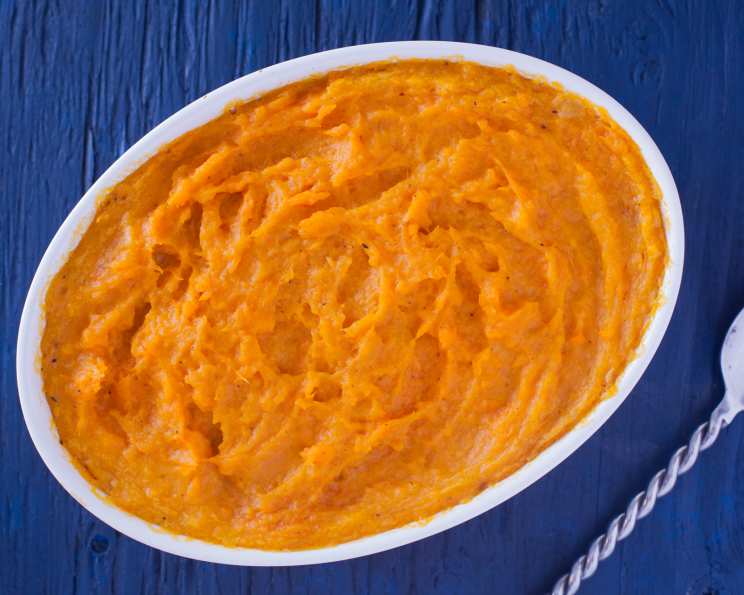
Yam ‘n Butternut Squash Mash: A Taste of Autumn Comfort
Some of my fondest childhood memories are rooted in the simple pleasures of fall. The crisp air, the vibrant colors of the leaves, and, of course, the comforting flavors that filled our kitchen. My grandmother, bless her heart, always had a knack for transforming humble ingredients into something truly special. I remember one Thanksgiving, she made a glorious mash of yams and butternut squash, and it became an instant classic. It was creamy, subtly sweet, and perfectly spiced. To this day, that vibrant orange mash evokes feelings of warmth, family, and the joy of sharing a delicious meal together.
Recipe Overview
- Prep Time: 15 minutes
- Cook Time: 20 minutes
- Total Time: 35 minutes
- Servings: 4
- Dietary Type: Vegetarian
Ingredients
- 1 cup cooked and mashed butternut squash
- 1 cup cooked and mashed yams or 1 cup sweet potato
- 1⁄4 cup softened butter or 1/4 cup softened margarine
- 1⁄2 teaspoon salt
- 1⁄4 teaspoon ground nutmeg
- 1⁄4 teaspoon cinnamon
- Pepper to taste
Equipment Needed
- Large mixing bowl
- Whisk or electric mixer
- Lightly greased oven-proof dish
- Aluminum foil
- Oven
Instructions
- Preheat your oven to 350°F (175°C).
- In a large mixing bowl, combine the cooked and mashed butternut squash and the cooked and mashed yams (or sweet potato). Make sure there are no large lumps.
- Add the softened butter (or margarine), salt, ground nutmeg, and cinnamon to the bowl.
- Using a whisk or an electric mixer, whip all the ingredients together until the mixture is light and fluffy. The butter should be fully incorporated, and the spices evenly distributed.
- Season with pepper to taste. A pinch of black pepper adds a lovely warmth, but feel free to adjust to your preference.
- Transfer the mashed yam and butternut squash mixture into a lightly greased oven-proof dish. A casserole dish or even a pie plate will work perfectly.
- Cover the dish tightly with aluminum foil. This helps retain moisture and prevents the top from browning too quickly.
- Bake in the preheated oven for 15-20 minutes, or until the mash is heated through. You can check by inserting a fork into the center; it should feel warm to the touch.
Expert Tips & Tricks
- For an extra creamy texture, consider using an immersion blender or food processor to whip the ingredients together. Just be careful not to over-process, as this can make the mash gummy.
- If you’re short on time, you can use pre-cooked butternut squash and yams. Many grocery stores sell them already roasted or steamed, which can save you a significant amount of prep time.
- To add a hint of sweetness, consider adding a tablespoon of maple syrup or brown sugar to the mixture.
- For a more complex flavor profile, try adding a pinch of ground ginger or cloves along with the nutmeg and cinnamon.
- If you want a richer flavor, brown the butter before adding it to the mash. The nutty notes will elevate the dish.
- If the mash seems too thick, add a splash of milk or cream to thin it out.
Serving & Storage Suggestions
This Yam ‘n Butternut Squash Mash is a versatile side dish that pairs beautifully with a variety of main courses. It’s excellent alongside roasted chicken, turkey, pork, or even grilled fish. You can also serve it as part of a vegetarian meal, accompanied by roasted vegetables or a hearty salad.
For an elegant presentation, spoon the mash into individual ramekins and garnish with a sprig of fresh thyme or a sprinkle of toasted pecans. A swirl of cream or a drizzle of maple syrup can also add a touch of visual appeal.
Leftover mash can be stored in an airtight container in the refrigerator for up to 3-4 days. To reheat, simply microwave it in short intervals, stirring occasionally, until heated through. You can also reheat it in the oven, covered with foil, at 350°F (175°C) until warm.
The mash can also be frozen for longer storage. Allow it to cool completely before transferring it to a freezer-safe container. It will keep in the freezer for up to 2-3 months. To thaw, place it in the refrigerator overnight. Reheat as described above.
Nutritional Information
| Nutrient | Amount per Serving | % Daily Value (approximate) |
|---|---|---|
| Calories | 158 kcal | 8% |
| Total Fat | 11.6 g | 15% |
| Saturated Fat | 7.3 g | 37% |
| Cholesterol | 30.5 mg | 10% |
| Sodium | 396.1 mg | 17% |
| Total Carbohydrate | 13.6 g | 5% |
| Dietary Fiber | 2.1 g | 7% |
| Sugars | 1 g | N/A |
| Protein | 1 g | 2% |
Note: Nutritional information is an estimate and may vary based on specific ingredients and portion sizes.
Variations & Substitutions
- Vegan Version: Substitute the butter with a plant-based butter alternative or coconut oil. You can also add a splash of coconut milk for extra creaminess.
- Spice It Up: Add a pinch of cayenne pepper or a dash of hot sauce for a spicy kick.
- Herbaceous Twist: Incorporate fresh herbs like rosemary or sage for a more savory flavor profile.
- Citrus Zest: Add the zest of an orange or lemon for a bright, aromatic touch.
- Maple Pecan Mash: Stir in toasted pecans and a drizzle of maple syrup for a decadent treat.
- Sweet Potato Only: If you don’t have butternut squash, feel free to use 2 cups of mashed sweet potato.
FAQs (Frequently Asked Questions)
Q: Can I use canned yams or butternut squash?
A: While fresh is always best, canned yams or butternut squash can be used in a pinch. Be sure to drain them well and adjust the seasoning as needed.
Q: How do I make sure the yams and butternut squash are cooked properly?
A: They should be fork-tender. You should be able to easily pierce them with a fork with minimal resistance.
Q: Can I make this ahead of time?
A: Yes, you can prepare the mash a day or two in advance and store it in the refrigerator. Reheat before serving.
Q: What if my mash is too watery?
A: If your mash is too watery, you can cook it uncovered in the oven for a few minutes to allow some of the excess moisture to evaporate.
Q: Can I freeze this mash?
A: Yes, this mash freezes well. Store it in an airtight container in the freezer for up to 2-3 months.
Final Thoughts
This Yam ‘n Butternut Squash Mash is more than just a side dish; it’s a celebration of autumn flavors and the warmth of home. It’s a simple recipe that yields incredibly satisfying results. I encourage you to try it and make it your own. Experiment with different spices and herbs, and don’t be afraid to get creative. I’d love to hear about your variations and how you enjoyed it! Pair it with a juicy roasted chicken or a hearty vegetarian main course, and savor the taste of the season.