
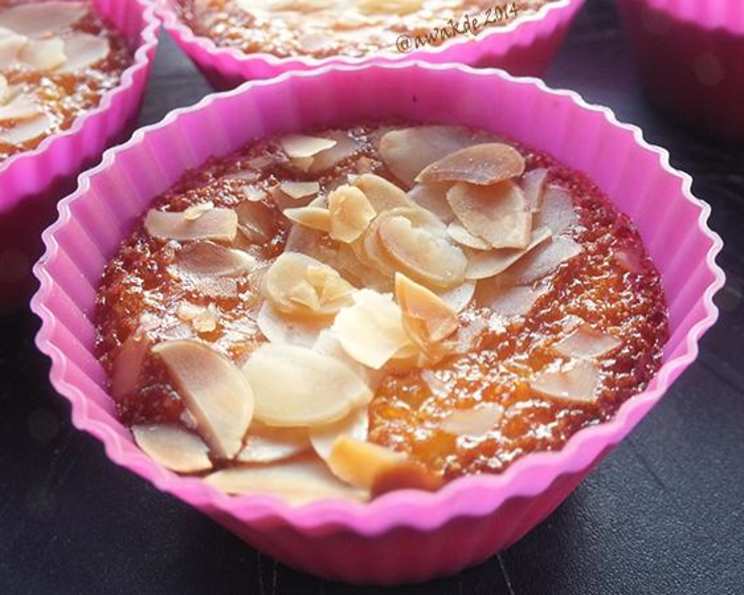
Yaourtopita: A Slice of Greek Sunshine
The first time I tasted Yaourtopita, I was sitting at a small, sun-drenched taverna overlooking the Aegean Sea. The air was thick with the scent of olive trees and blooming jasmine. An elderly woman, her face etched with the wisdom of generations, placed a warm slice of this golden cake before me. The aroma of lemon and vanilla mingled with the salty sea breeze, and as I took my first bite, I was transported. The cake, moist and subtly sweet, with a hint of citrus, was a revelation. It was more than just dessert; it was a taste of Greece itself. This simple yoghurt cake, made with love and the freshest ingredients, instantly became one of my most cherished food memories.
Recipe Overview
- Prep Time: 20 minutes
- Cook Time: 30 minutes
- Total Time: 50 minutes
- Servings: 4
- Yield: 1 cake
- Dietary Type: Vegetarian
Ingredients
For the Cake:
- 400 g fine semolina
- 400 g sugar
- 500 g Greek yogurt, strained
- 5 eggs
- 50 g almonds, very finely chopped
- 5/8 g vanilla powder or 5/8 g vanilla extract (a generous pinch)
- 1 tablespoon baking powder
- 1 lemon, zest of
- 1/16 teaspoon salt (a tiny pinch)
For the Syrup:
- 350 g water
- 600 g sugar
- 3 lemon peel, thin strips of
Equipment Needed
- Large mixing bowl
- Hand whisk
- Oven dish (30cm diameter, 5cm deep)
- Butter or cooking spray
- Small saucepan
- Measuring cups and spoons
Instructions
-
Begin by preheating your oven to 180 degrees Celsius (350 degrees Fahrenheit).
-
In a large mixing bowl, combine the eggs, sugar, and lemon zest. Use a hand whisk to beat the mixture well until it becomes light and frothy. This step is crucial for incorporating air into the batter, resulting in a lighter, more tender cake.
-
Add the Greek yogurt to the egg mixture. Beat thoroughly until everything is well combined and the mixture is smooth.
-
In a separate bowl, prepare the dry ingredients. Combine the semolina (reserving 1 tablespoon for later), finely chopped almonds, vanilla powder (or extract), baking powder, and salt. Mix these ingredients together until they are evenly distributed.
-
Gradually add the dry ingredients to the wet yogurt mixture. Mix well until everything is thoroughly combined and there are no lumps. Be careful not to overmix, as this can result in a tough cake.
-
Take an oven dish that is approximately 30cm in diameter and 5cm deep. Butter the inside of the dish thoroughly or spray with cooking spray to prevent the cake from sticking. Then, sprinkle the reserved 1 tablespoon of semolina evenly over the buttered surface. This creates a slightly crispy crust on the bottom of the cake.
-
Pour the cake mixture into the prepared oven dish, spreading it evenly.
-
Bake in the preheated oven for approximately 30 minutes, or until the cake is golden brown and a toothpick inserted into the center comes out clean. The baking time may vary slightly depending on your oven, so keep a close eye on it.
-
While the cake is baking, prepare the syrup. In a small saucepan, combine the water, sugar, and thin strips of lemon peel. Bring the mixture to a boil over medium heat, stirring occasionally to dissolve the sugar. Once boiling, reduce the heat and simmer for 5 minutes, allowing the syrup to thicken slightly and the lemon flavors to infuse.
-
Once the cake is ready, remove it from the oven. While it is still hot, cut it into portions directly in the oven dish.
-
Carefully pour the warm syrup evenly over the hot cake, ensuring that it soaks into all the slices. It’s important that the cake is hot and the syrup is warm for optimal absorption.
-
Allow the cake to cool completely in the oven dish before serving. Yaourtopita is best enjoyed chilled, as this allows the flavors to meld and the texture to firm up.
Expert Tips & Tricks
- For an extra nutty flavor, toast the almonds lightly before chopping them.
- If you don’t have Greek yogurt, you can use regular yogurt, but be sure to strain it through cheesecloth for several hours to remove excess moisture. This will help to achieve the desired thick and creamy texture.
- To prevent the cake from browning too quickly, you can tent it loosely with aluminum foil during the last 10 minutes of baking.
- If you prefer a more intense lemon flavor, you can add a tablespoon of lemon juice to the syrup.
- A splash of orange blossom water in either the cake batter or the syrup will add a beautiful floral note.
Serving & Storage Suggestions
Yaourtopita is traditionally served chilled, making it a perfect dessert for warm weather. Garnish each slice with a sprinkle of chopped almonds or a fresh sprig of mint for an elegant presentation. It pairs beautifully with a scoop of vanilla ice cream or a dollop of whipped cream.
Leftover Yaourtopita can be stored in an airtight container in the refrigerator for up to 3 days. While it can be kept at room temperature for a few hours, refrigeration is recommended to maintain its freshness and prevent spoilage, especially if it’s warm. It’s generally not recommended to freeze this cake as the texture can change upon thawing.
Nutritional Information
Here’s an estimated nutritional breakdown per serving:
| Nutrient | Amount per Serving | % Daily Value |
|---|---|---|
| Calories | 751.5 kcal | N/A |
| Total Fat | 7.2 g | N/A |
| Saturated Fat | 1.35 g | N/A |
| Cholesterol | 116.25 mg | N/A |
| Sodium | 225.7 mg | N/A |
| Total Carbohydrate | 163.55 g | N/A |
| Dietary Fiber | 2.75 g | N/A |
| Sugars | 125.2 g | N/A |
| Protein | 11.75 g | N/A |
Note: Nutritional information is an estimate and can vary based on specific ingredients and portion sizes.
Variations & Substitutions
- Gluten-Free Yaourtopita: Substitute the semolina with a gluten-free semolina alternative, or a blend of almond flour and tapioca starch.
- Dairy-Free Yaourtopita: Use a plant-based yogurt alternative, such as coconut or almond yogurt. Ensure it’s a thick, strained variety for the best results.
- Spice it Up: Add a pinch of ground cinnamon or cardamom to the cake batter for a warm, aromatic twist.
- Citrus Variations: Experiment with different citrus zests, such as orange or grapefruit, in place of the lemon.
- Nut-Free: Omit the almonds entirely, or substitute with sunflower seeds or pumpkin seeds for a different texture and flavor.
FAQs (Frequently Asked Questions)
Q: Why is it important to use strained Greek yogurt?
A: Strained Greek yogurt has a much thicker consistency than regular yogurt, which is essential for achieving the right texture in the cake. It also helps to prevent the cake from becoming too soggy.
Q: Can I use vanilla extract instead of vanilla powder?
A: Yes, you can substitute vanilla extract for vanilla powder. Use the same amount (5/8 g, or a generous pinch).
Q: How do I know when the cake is done?
A: The cake is done when it is golden brown and a toothpick inserted into the center comes out clean.
Q: Why does the recipe call for pouring warm syrup over hot cake?
A: This ensures that the syrup is absorbed evenly throughout the cake, resulting in a moist and flavorful dessert.
Q: Can I make the syrup ahead of time?
A: Yes, you can make the syrup a day or two in advance and store it in the refrigerator. Reheat it gently before pouring it over the cake.
Final Thoughts
Yaourtopita is more than just a cake; it’s a taste of Greek hospitality and sunshine. Its simplicity is its charm, and its versatility allows for endless variations to suit your preferences. I encourage you to try this recipe and experience the joy of creating a truly special dessert. Share it with friends and family, and let the flavors of Greece transport you to sun-drenched shores. Kali Orexi! (Bon appétit!)