
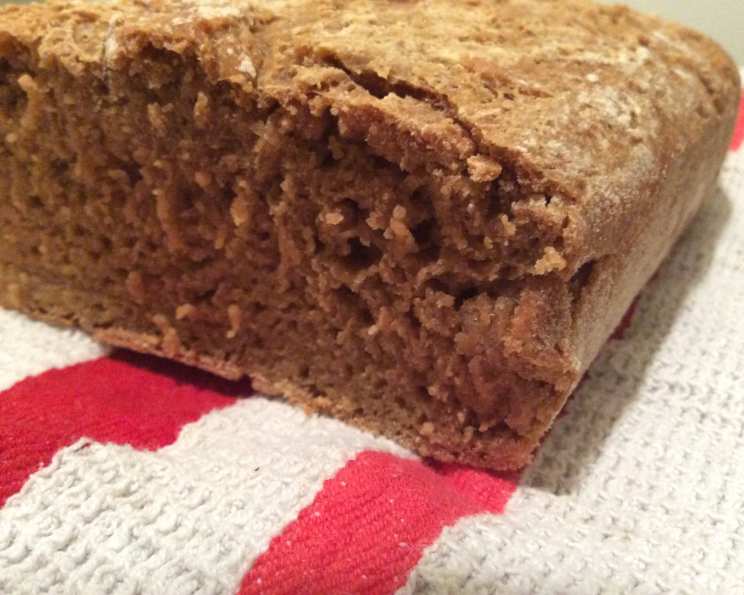
A Taste of Home: My Grandma’s Yeast Cornbread
The aroma alone transports me back to Grandma’s kitchen, a place perpetually warm with the comforting scent of baking bread. Her yeast cornbread wasn’t just a side dish; it was an experience. Each slice, slightly sweet and surprisingly light, was slathered with melting butter and served alongside her famous chili. It was a taste of love, patience, and the simple joy of sharing a meal with family—a memory I cherish with every bite.
Recipe Overview
- Prep Time: 25 minutes
- Cook Time: 30-35 minutes
- Total Time: 3 hours (includes rising time)
- Servings: 16-20
- Yield: 2 loaves
- Dietary Type: Vegetarian
Ingredients
- 1 1⁄4 cups cold water
- 3 teaspoons salt
- 1 cup cornmeal
- 1⁄4 cup warm water
- 1 tablespoon granulated sugar
- 2 1⁄4 teaspoons active dry yeast
- 1 cup warm whole milk
- 1⁄4 cup brown sugar
- 4 cups all-purpose flour
- Butter, for greasing pans
- Olive oil, for brushing dough
Equipment Needed
- Small saucepan
- Whisk
- Small bowl
- Stand mixer with dough hook
- Large bowl
- Kitchen towel
- 2 loaf pans (9-by-5-inch size)
- Wire rack
Instructions
-
Begin by combining the cold water and salt in a small saucepan. Bring the mixture to a boil over medium-high heat.
-
Once boiling, gradually whisk in the cornmeal, adding it a little at a time to prevent lumps from forming.
-
Reduce the heat to low and cook, stirring constantly for 1 minute, until the mixture thickens to the consistency of a thick mush. This step is crucial for creating the right texture in your cornbread.
-
Remove the cornmeal mixture from the heat and allow it to cool to room temperature. This is an important step as adding hot cornmeal to the yeast can kill it.
-
While the cornmeal cools, prepare the yeast mixture. In a small bowl, combine the warm water and granulated sugar. The sugar feeds the yeast, helping it to activate.
-
Sprinkle in the active dry yeast.
-
Stir gently to combine.
-
Let the yeast mixture sit for 10 minutes, or until it becomes foamy. This indicates that the yeast is active and ready to leaven the dough. If the yeast doesn’t foam, it may be old or inactive and you’ll need to start again with fresh yeast.
-
In the bowl of a stand mixer fitted with the dough hook, combine the cooled cornmeal mixture, yeast mixture, warm milk, and brown sugar.
-
With the mixer on medium speed, gradually blend in the flour, adding it one cup at a time. Be patient and allow each cup to fully incorporate before adding the next.
-
Continue to mix until the dough is smooth and supple. It should pull away from the sides of the bowl and form a cohesive mass.
-
Turn the dough out onto a lightly floured work surface.
-
Knead the dough three or four times to ensure it is evenly smooth.
-
Place the dough in a large, greased bowl, turning it to coat all sides.
-
Cover the bowl with a clean kitchen towel.
-
Place the bowl in a warm place and let the dough rise until it has doubled in volume, which should take about 2 hours. The rising time can vary depending on the temperature of your environment.
-
While the dough is rising, butter two loaf pans (9-by-5-inch size) thoroughly. This will prevent the loaves from sticking.
-
Once the dough has doubled, gently divide it in half.
-
Pat each half into a loaf shape.
-
Place the loaves in the prepared pans.
-
Cover the pans with a kitchen towel.
-
Let the loaves sit for 45 minutes, or until they have doubled in size. This second rise is crucial for a light and airy texture.
-
Preheat your oven to 425°F (220°C).
-
Just before baking, brush the tops of the loaves lightly with olive oil. This will give them a beautiful golden-brown crust.
-
Bake in the preheated oven for 10 minutes.
-
Reduce the oven temperature to 350°F (175°C).
-
Continue to bake for 20 to 25 minutes, or until the loaves are lightly browned and a toothpick inserted into the center comes out clean.
-
Cool the loaves on a wire rack for 5 minutes before turning them out of the pans.
-
Allow the yeast cornbread to cool to room temperature before slicing and serving.
Expert Tips & Tricks
- For a richer flavor: Substitute half of the whole milk with buttermilk. The added acidity will enhance the tanginess of the cornbread.
- Adjust sweetness: Feel free to adjust the amount of brown sugar to your preference. Some people prefer a more subtly sweet cornbread.
- Make-ahead tip: You can prepare the dough through the first rise, then punch it down, wrap it tightly in plastic wrap, and refrigerate it overnight. Let it come to room temperature before shaping and baking.
- Don’t overmix: Overmixing the dough can result in a tough cornbread. Mix until just combined.
- Oven variations: All ovens are different. Keep a close eye on the cornbread during the last 10 minutes of baking to prevent over-browning. If the top is browning too quickly, tent it loosely with foil.
Serving & Storage Suggestions
Serve warm with a generous pat of butter, alongside chili, soups, or stews. It’s also delicious toasted with jam or honey.
Leftover yeast cornbread can be stored at room temperature in an airtight container for up to 2 days. For longer storage, wrap tightly in plastic wrap and refrigerate for up to 5 days. You can also freeze it for up to 2 months. To reheat, wrap individual slices in foil and warm in a 350°F (175°C) oven for 10-15 minutes, or until heated through. Alternatively, you can microwave slices for a quick reheat.
Nutritional Information
| Nutrient | Amount per Serving | % Daily Value |
|---|---|---|
| Calories | 672.65 kcal | N/A |
| Total Fat | 4.4 g | 6% |
| Saturated Fat | 1.5 g | 7% |
| Cholesterol | 6.1 mg | 2% |
| Sodium | 1789.95 mg | 75% |
| Total Carbohydrate | 139 g | 46% |
| Dietary Fiber | 6.1 g | 24% |
| Sugars | 20.1 g | N/A |
| Protein | 18.2 g | 36% |
Note: Nutritional information is an estimate and may vary based on specific ingredients and portion sizes.
Variations & Substitutions
- Spicy cornbread: Add 1-2 chopped jalapeños to the dough for a kick of heat.
- Herbed cornbread: Mix in 1-2 tablespoons of chopped fresh herbs like rosemary, thyme, or chives.
- Cheesy cornbread: Incorporate 1 cup of shredded cheddar or Monterey Jack cheese into the dough.
- Dairy-free: Substitute the whole milk with almond milk or soy milk.
- Gluten-free: Use a gluten-free all-purpose flour blend, but be aware that the texture may be slightly different.
FAQs (Frequently Asked Questions)
Q: Why use yeast in cornbread?
A: Yeast adds a lightness and airiness to the cornbread that you don’t get with traditional baking powder or baking soda recipes. It also contributes to a slightly tangy flavor.
Q: Can I use self-rising cornmeal?
A: No, this recipe is specifically formulated for regular cornmeal. Self-rising cornmeal already contains leavening agents, which would throw off the balance of the recipe.
Q: How can I tell if the dough has risen enough?
A: The dough should have doubled in size and feel light and airy to the touch. You can also gently poke it with your finger; if the indentation slowly fills back in, it’s ready.
Q: What if my dough doesn’t rise?
A: Make sure your yeast is fresh and that the water you use to activate it is warm, not hot. Also, ensure that the room where you are letting the dough rise is warm enough.
Q: Can I bake this in a cast iron skillet?
A: Absolutely! Just make sure your skillet is well-seasoned and preheated. You may need to adjust the baking time slightly.
Final Thoughts
This yeast cornbread recipe is more than just a set of instructions; it’s an invitation to create a little bit of magic in your own kitchen. The aroma alone is enough to bring back fond memories and create new ones. So, gather your ingredients, embrace the process, and prepare to enjoy a slice of warm, comforting goodness. I encourage you to share your results and variations—and don’t forget the butter!