
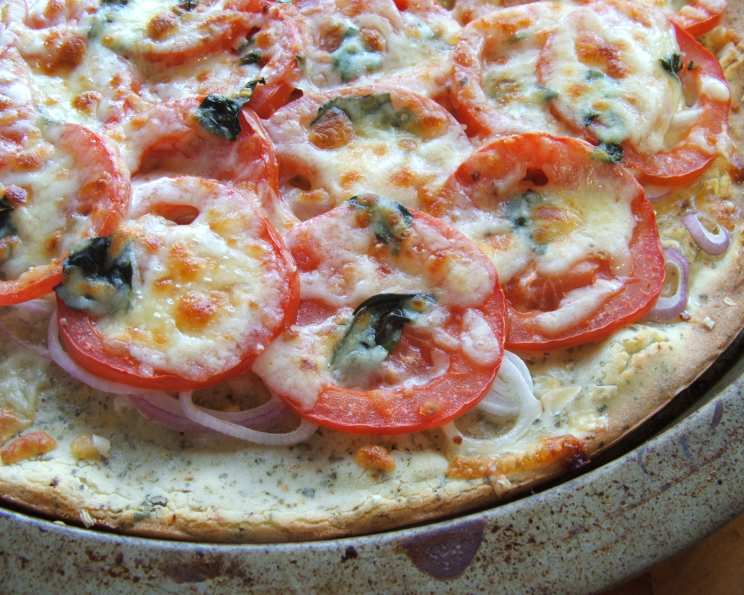
The Easiest Yeast-Free, Gluten-Free Pizza Crust You’ll Ever Make
Growing up, Friday night meant one thing: pizza. My dad, a true pizza aficionado, would embark on a quest to find the perfect pie, often dragging my siblings and me along on his carb-loaded adventures. While I cherish those memories, my own dietary needs have led me down a different path, searching for a crust that’s both gluten-free and yeast-free. After countless experiments (and a few epic fails!), I’ve finally landed on a recipe that rivals even my dad’s beloved traditional pies. It’s simple, quick, and surprisingly delicious. This pizza crust is a game-changer!
Recipe Overview
- Prep Time: 5 minutes
- Cook Time: 20 minutes
- Total Time: 25 minutes
- Servings: 3
- Yield: 1 12-inch pizza crust
- Dietary Type: Gluten-Free
Ingredients
- 1/2 cup cornstarch
- 1/2 cup rice flour
- 2/3 cup 2% low-fat milk (see variations for substitutions)
- 2 eggs
- 1 teaspoon salt
- 1 tablespoon Italian spices
- 1 dash garlic powder (or garlic salt)
Equipment Needed
- 12-inch Pizza Pan
- Mixing Bowl
- Measuring Cups and Spoons
- Oven
Instructions
- Preheat your oven to 425°F (220°C). This high temperature is crucial for achieving a crispy crust.
- In a mixing bowl, combine the cornstarch, rice flour, salt, Italian spices, and garlic powder. Whisk these dry ingredients together to ensure they are evenly distributed. This helps prevent pockets of overly salty or spicy flavor in the finished crust.
- Add the milk and eggs to the dry ingredients.
- Gently mix all the ingredients until just combined. Be careful not to over-beat the batter. Over-mixing can lead to a tough crust. The batter will be fairly runny, which is perfectly normal for this recipe.
- Grease your 12-inch pizza pan generously. You can use cooking spray, olive oil, or even a bit of butter to prevent sticking. A well-greased pan is essential for easy removal of the cooked crust.
- Pour the runny batter into the prepared pizza pan, spreading it evenly to the edges.
- Bake in the preheated oven for 10 minutes. This initial baking period sets the crust and gives it a good foundation for the toppings.
- Remove the pizza crust from the oven.
- Add your favorite pizza sauce and toppings. Get creative! From classic pepperoni and mozzarella to gourmet combinations, anything goes.
- Return the pizza to the oven and bake for an additional 10 minutes, or until the cheese is melted and slightly browned. Keep a close eye on it during this second bake to prevent burning. The exact baking time may vary slightly depending on your oven.
Expert Tips & Tricks
- Crispier Crust: For an extra crispy crust, you can par-bake the crust for a few minutes longer during the initial bake. Just watch it carefully to prevent burning.
- Flavor Boost: Add a pinch of red pepper flakes to the batter for a subtle kick. Or, infuse the olive oil you use to grease the pan with garlic for added flavor.
- Prevent a Soggy Crust: If you’re using toppings that release a lot of moisture, like sliced tomatoes or mushrooms, consider pre-cooking them slightly before adding them to the pizza. This will help prevent a soggy crust.
- Egg Substitute: If you’re looking for an egg substitute, try using flax eggs (1 tablespoon flaxseed meal mixed with 3 tablespoons water, let sit for 5 minutes to thicken). However, the texture of the final crust may be slightly different.
- Even Baking: Rotate the pizza halfway through each baking period to ensure even cooking.
Serving & Storage Suggestions
Serve your freshly baked pizza immediately for the best flavor and texture. This crust is delicious with any topping combination you can imagine!
Leftover pizza can be stored in the refrigerator for up to 3 days. To reheat, you can use the oven, microwave, or even a skillet. For the oven, preheat to 350°F (175°C) and bake for about 5-10 minutes, or until heated through. Microwaving will soften the crust, while a skillet will help to crisp it up.
This pizza crust is best enjoyed fresh, but you can freeze cooked pizza slices for longer storage. Wrap them tightly in plastic wrap and then foil, and they should last for up to 2 months in the freezer. Reheat directly from frozen in the oven.
Nutritional Information
Note: Nutritional information is an estimate and can vary based on specific ingredients and toppings used.
| Nutrient | Amount per Serving | % Daily Value |
|---|---|---|
| Calories | 253.3 kcal | N/A |
| Calories from Fat | 41 g | 16% |
| Total Fat | 4.6 g | 7% |
| Saturated Fat | 1.8 g | 9% |
| Cholesterol | 128.3 mg | 42% |
| Sodium | 850.1 mg | 35% |
| Total Carbohydrate | 43.6 g | 14% |
| Dietary Fiber | 0.8 g | 3% |
| Sugars | 2.9 g | N/A |
| Protein | 7.6 g | 15% |
Variations & Substitutions
- Dairy-Free Option: Substitute the 2% milk with unsweetened almond milk, soy milk, or oat milk for a dairy-free version. The texture and flavor will be slightly different, but still delicious.
- Herb Infusion: Mix fresh herbs like basil, oregano, or rosemary into the batter for an extra layer of flavor.
- Spicy Crust: Add a pinch of cayenne pepper or a dash of hot sauce to the batter for a spicy kick.
- Cheese Crust: Sprinkle a thin layer of shredded Parmesan cheese onto the greased pizza pan before pouring in the batter for a cheesy crust.
- Different Flours: While this recipe specifically calls for cornstarch and rice flour, you can experiment with other gluten-free flours like tapioca starch or potato starch. Keep in mind that the texture may vary depending on the flour blend you use.
FAQs (Frequently Asked Questions)
Q: Why is my pizza crust soggy?
A: Soggy crust can result from using too much sauce or toppings with high water content. Try pre-cooking vegetables or using less sauce. Ensure your oven temperature is accurate.
Q: Can I make this crust ahead of time?
A: While it’s best fresh, you can bake the crust ahead of time and store it in the refrigerator for a day or two. Add toppings and bake just before serving.
Q: My crust is too crumbly. What did I do wrong?
A: Over-baking can lead to a crumbly crust. Keep a close eye on it during the baking process and remove it from the oven as soon as it’s golden brown.
Q: Can I use whole milk instead of 2%?
A: Yes, you can use whole milk. It will make the crust slightly richer.
Q: What other toppings work well with this crust?
A: This crust is versatile and works well with any toppings you enjoy! Try roasted vegetables, grilled chicken, or a classic margherita pizza.
Final Thoughts
This yeast-free, gluten-free pizza crust is more than just a recipe; it’s a gateway to enjoying pizza again without compromising on taste or dietary needs. Whether you’re gluten-free, avoiding yeast, or simply looking for a healthier alternative, this recipe is a winner. I encourage you to give it a try, experiment with your favorite toppings, and share your creations with loved ones. Don’t be afraid to get creative and make it your own! Perhaps pair it with a crisp salad and a glass of your favorite beverage for a complete and satisfying meal. Happy baking!