
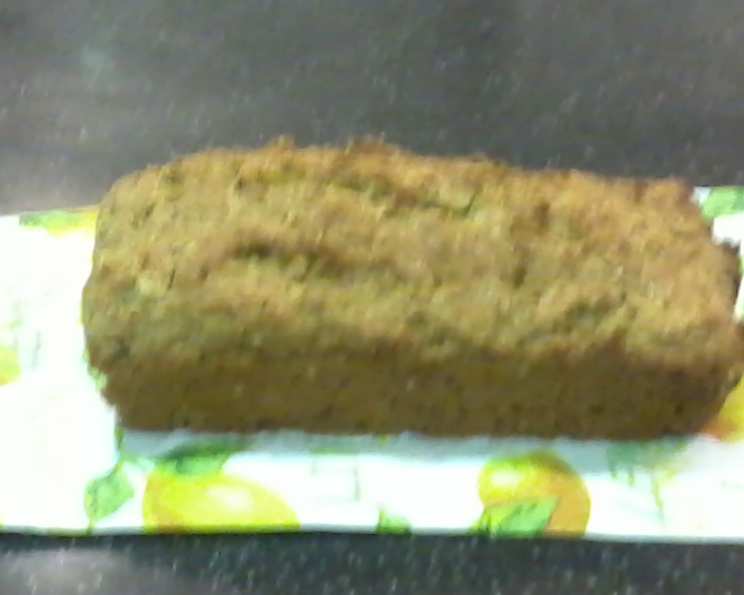
The Easiest Yeast-Free Wholemeal Loaf
The aroma of freshly baked bread has always been a siren song in my life. I remember, as a child, being utterly captivated by the neighborhood bakery, its windows steamed with warmth, and the promise of golden crusts within. My grandmother, a woman of simple yet profound culinary talents, would occasionally whip up a loaf of wholemeal bread, a far cry from the refined white loaves that dominated our table. It was dense, earthy, and deeply satisfying, and slathered with butter and honey, it was pure comfort. This yeast-free recipe reminds me of those comforting moments, offering that same wholesome goodness in a fraction of the time.
Recipe Overview
- Prep Time: 10 minutes
- Cook Time: 50 minutes
- Total Time: 60 minutes
- Servings: 12
- Yield: 1 loaf
- Dietary Type: Dairy-Free (if using rice milk)
Ingredients
- 3 cups whole wheat flour
- 1 teaspoon baking powder
- 1 teaspoon bicarbonate of soda (baking soda)
- ¼ cup rolled oats
- ½ teaspoon salt
- 1 tablespoon sugar (or sweetener, see note)
- 1 ½ tablespoons butter, softened
- 2 cups rice milk (or preferred milk, including buttermilk)
Ingredient Notes:
- For a completely dairy-free loaf, ensure you are using a dairy-free milk alternative, such as rice milk, almond milk, or soy milk.
- If you are avoiding sugar, you can substitute with your preferred sweetener. If using a liquid sweetener, account for the extra liquid when mixing the dough. A granulated sweetener such as stevia, erythritol or xylitol is a good substitute.
Equipment Needed
- Large mixing bowl
- Fork
- Loaf tin (approximately 9×5 inches)
- Greaseproof paper (optional)
- Cooling rack
Instructions
- Preheat your oven to 200 degrees Celsius (392 degrees Fahrenheit). Ensure your oven rack is positioned in the center of the oven for even baking.
- In a large mixing bowl, combine all the dry ingredients: the whole wheat flour, baking powder, bicarbonate of soda, rolled oats, and salt. Whisk or stir well to ensure these ingredients are thoroughly mixed. This is important for even rising and a consistent texture.
- Add the softened butter to the dry ingredients. Using a fork, work the butter into the flour mixture until it resembles coarse breadcrumbs. The butter should be evenly distributed throughout the flour.
- Add the milk (and your chosen sweetener if it’s a liquid) to the bowl. Mix with a wooden spoon or spatula until just combined. Be careful not to overmix; a slightly lumpy batter is perfectly fine. Overmixing can lead to a tough bread.
- Grease your loaf tin thoroughly with butter, oil, or cooking spray. Alternatively, line the tin with greaseproof paper, leaving an overhang on the sides for easy removal after baking.
- Pour the batter into the prepared loaf tin, spreading it evenly with a spatula.
- Bake in the preheated oven for 50 minutes.
- To check for doneness, insert a skewer or toothpick into the center of the loaf. If it comes out clean or with only a few moist crumbs attached, the bread is ready. If the skewer comes out with wet batter, return the loaf to the oven for another 5-10 minutes.
- Remove the bread from the oven and let it cool in the tin for about 5-10 minutes.
- Carefully remove the bread from the tin and place it on a cooling rack to cool completely before slicing and serving. This will prevent the bread from becoming soggy.
Expert Tips & Tricks
- The Secret to Softness: Avoid overmixing the dough. Overmixing develops the gluten in the flour, which can result in a tough loaf. Mix just until the ingredients are combined.
- Buttermilk Boost: Substituting rice milk with buttermilk will add a subtle tang and enhance the bread’s moistness and flavor.
- Oatmeal Topping: For a rustic finish, sprinkle a handful of rolled oats on top of the loaf before baking. Lightly press them into the surface of the dough.
- Preventing a Soggy Bottom: Ensure the bread cools completely on a wire rack to allow air to circulate and prevent a soggy bottom.
- Troubleshooting: If your bread is browning too quickly, tent the loaf with aluminum foil during the last 15-20 minutes of baking.
Serving & Storage Suggestions
This yeast-free wholemeal bread is delicious served warm or at room temperature. It pairs perfectly with soups, stews, and salads. Try it toasted with a drizzle of honey or a smear of your favorite jam.
Storage:
- Room Temperature: Store the bread in an airtight container at room temperature for up to 3 days.
- Refrigerator: For longer storage, keep the bread in an airtight container in the refrigerator for up to 5 days.
- Freezer: For extended storage, slice the bread and freeze individual slices in freezer bags for up to 2 months. Thaw slices at room temperature or in the toaster.
Reheating:
- To reheat, wrap the bread in foil and warm in a preheated oven at 180 degrees Celsius (350 degrees Fahrenheit) for about 10-15 minutes. Alternatively, toast slices in a toaster until golden brown.
Nutritional Information
| Nutrient | Amount per Serving | % Daily Value |
|---|---|---|
| Calories | 125 kcal | 6% |
| Total Fat | 2.3g | 3% |
| Saturated Fat | 1.1g | 6% |
| Cholesterol | 0.0mg | 0% |
| Sodium | 245mg | 11% |
| Total Carbohydrate | 23.9g | 9% |
| Dietary Fiber | 3.4g | 12% |
| Sugars | 1.2g | 0% |
| Protein | 4.2g | 8% |
Nutritional information is an estimate and may vary based on specific ingredients and portion sizes.
Variations & Substitutions
- Spiced Delight: Add 1 teaspoon of mixed spice or cinnamon to the dry ingredients for a warm, aromatic loaf.
- Seeded Sensation: Incorporate 2 tablespoons of mixed seeds (sunflower, pumpkin, flax) into the dough or sprinkle them on top before baking for added texture and nutritional value.
- Fruity Twist: Add ½ cup of chopped dried fruits (raisins, cranberries, apricots) to the dough for a touch of sweetness and chewiness.
- Herbaceous Wonder: Mix in 2 tablespoons of chopped fresh herbs (rosemary, thyme, oregano) for a savory and fragrant loaf.
- Gluten-Free Version: Substitute the whole wheat flour with a gluten-free flour blend. You may need to adjust the amount of liquid to achieve the desired consistency.
FAQs (Frequently Asked Questions)
Q: Can I use all-purpose flour instead of whole wheat flour?
A: While you can substitute all-purpose flour, the texture and nutritional value will be different. Whole wheat flour provides a denser, heartier texture and is higher in fiber.
Q: Why is my bread dense and heavy?
A: This can be due to overmixing the dough or not using enough baking powder/bicarbonate of soda. Be sure to follow the recipe closely and avoid overmixing.
Q: Can I use a different type of milk?
A: Yes, you can use any type of milk you prefer, including dairy milk, almond milk, soy milk, or oat milk. The flavor will vary slightly depending on the milk used.
Q: How can I prevent the bread from sticking to the loaf tin?
A: Grease the loaf tin thoroughly with butter, oil, or cooking spray. Alternatively, line the tin with parchment paper for easy removal.
Q: Can I make this recipe without a sweetener?
A: Yes, you can omit the sweetener entirely if you prefer. The bread will have a less sweet taste, but it will still be delicious.
Final Thoughts
There’s something truly special about creating a loaf of bread from scratch. This yeast-free wholemeal recipe is not only incredibly easy to make, but it also delivers a wholesome and satisfying loaf that you can feel good about serving to your family and friends. I encourage you to try this recipe and experiment with different variations to find your perfect loaf. Whether you enjoy it with a simple pat of butter, a hearty bowl of soup, or a slice of cheese, I hope this bread brings you as much joy and comfort as it brings me. Don’t hesitate to share your creations and feedback, and happy baking!