
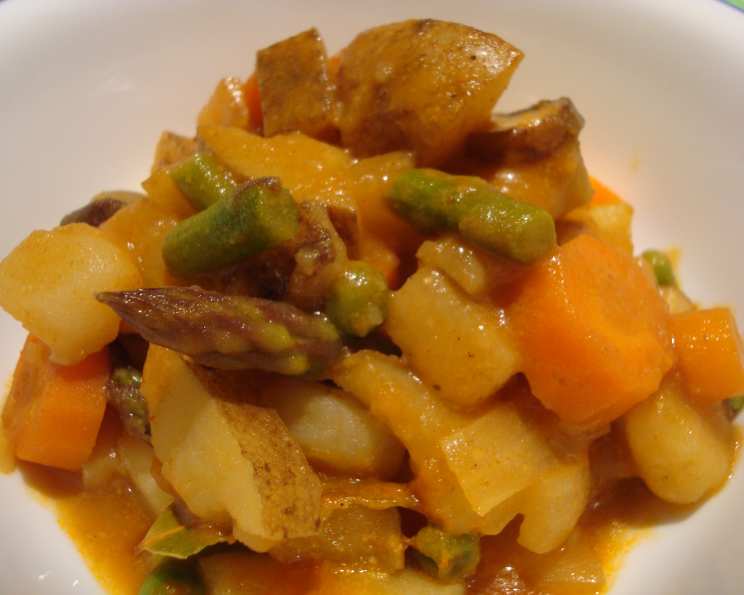
Yellow Curry Chicken Soup: A Taste of Thailand
The first time I tasted yellow curry chicken soup, I was standing in a bustling Bangkok street market, the air thick with the scent of lemongrass and chilies. A vendor ladled the fragrant, golden broth into a flimsy plastic bowl, steam rising to greet my face. The warmth of the curry, the tender chicken, and the perfectly cooked vegetables were an explosion of flavor that chased away the jet lag and ignited a lifelong love for Thai cuisine. It was more than just a meal; it was a welcoming hug, a vibrant introduction to a culture, and a reminder of the simple joys of travel.
Recipe Overview
- Prep Time: 20 minutes
- Cook Time: 20 minutes
- Total Time: 40 minutes
- Servings: 6
- Dietary Type: Dairy-Free
Ingredients
- 1 lb (about 4) boneless, skinless chicken breast halves
- 2-3 cups assorted fresh vegetables (mushrooms, asparagus, onions, zucchini)
- 2 potatoes, peeled and cut into bite-size pieces, pre-cooked
- 2 carrots, cut into bite-size pieces, pre-cooked
- ½ cup frozen peas (optional)
- 1-2 tablespoons vegetable oil (can be canola or olive)
- 1 tablespoon red curry paste
- 1 (14 ounce) can coconut milk
- 1 ½ – 2 tablespoons fish sauce
- 1 dash salt
- 2 tablespoons sugar
- 1 tablespoon yellow curry powder (use less to avoid excessive spiciness)
- ½ cup water or chicken broth (I use a whole can of chicken broth)
- 1 bay leaf
Equipment Needed
- Heavy sauce pan
- Cutting board
- Knife
- Measuring cups and spoons
Instructions
- Begin by pre-cooking the potatoes and carrots. It’s crucial not to overcook them at this stage, as they will continue to simmer in the curry later. Aim for slightly underdone, so they retain their texture.
- Cut the boneless, skinless chicken breast into bite-sized pieces. This ensures even cooking and makes it easier to eat.
- Thoroughly wash and cut the assorted fresh vegetables into bite-sized pieces. Uniform sizes are ideal for consistent cooking.
- In a heavy saucepan over medium heat, add 1-2 tablespoons of vegetable oil. Once the oil is heated, incorporate 1 tablespoon of red curry paste and about 1/3 of the coconut milk.
- Heat for 5-10 minutes, stirring constantly, until the mixture forms a thin, fragrant gravy. (I personally enjoy using sliced mushrooms and yellow onion for this step.) The constant stirring prevents sticking and helps meld the flavors.
- Turn the heat to high and add the chicken to the sauce pan. Cook the chicken until it is about half-cooked, around 5 minutes. Stir frequently to ensure even cooking.
- Add the fish sauce (1 ½ – 2 tablespoons), sugar (2 tablespoons), and a dash of salt, along with the remaining coconut milk. Mix everything well to combine all the flavors.
- Stir in the yellow curry powder (1 tablespoon), pre-cooked potatoes, and carrots. Add either water or chicken broth (½ cup, or an entire can of chicken broth for richer flavor). If desired, add 1 bay leaf for added depth of flavor.
- Let the mixture simmer for 1-2 minutes, allowing the flavors to meld together beautifully.
- Add the optional frozen peas (½ cup). (I sometimes substitute with fresh spinach for a different texture and added nutrients.)
- Continue to simmer until all the vegetables and chicken are fully cooked, approximately 5-7 more minutes. The chicken should be tender and the vegetables should be easily pierced with a fork.
- Serve hot with rice. Basmati or Jasmine rice are excellent choices as their delicate fragrance complements the curry perfectly.
Expert Tips & Tricks
- Spice Level: Adjust the amount of red and yellow curry paste to control the heat. Start with less and add more to taste. Remember that the spice will intensify as the dish simmers.
- Vegetable Variety: Feel free to experiment with different vegetables based on your preference and availability. Bell peppers, broccoli florets, or even green beans work well.
- Coconut Milk Quality: Use full-fat coconut milk for the richest flavor and creamiest texture. Lite coconut milk can be used for a lower-fat option, but the curry may not be as flavorful.
- Make-Ahead Tip: You can pre-cook the potatoes and carrots a day in advance to save time. Store them in the refrigerator until ready to use.
- Thickening: If the curry is too thin, simmer it uncovered for a few minutes to allow the liquid to evaporate. Alternatively, you can add a slurry of cornstarch and water (1 tablespoon cornstarch mixed with 2 tablespoons water) towards the end of cooking.
- Chicken Alternatives: For a vegetarian version, substitute the chicken with tofu or tempeh. For a seafood version, shrimp or firm white fish would be excellent choices.
Serving & Storage Suggestions
Serve the yellow curry chicken soup hot over a bed of fragrant jasmine or basmati rice. Garnish with fresh cilantro or a squeeze of lime juice for added freshness.
Leftovers can be stored in an airtight container in the refrigerator for up to 3 days. Reheat gently on the stovetop or in the microwave until heated through. Avoid leaving the curry at room temperature for more than 2 hours. Freezing is not recommended as the coconut milk may separate upon thawing, affecting the texture.
Nutritional Information
| Nutrient | Amount per Serving | % Daily Value |
|---|---|---|
| Calories | 500 kcal | N/A |
| Calories from Fat | 177g | 35% |
| Total Fat | 19.7g | 30% |
| Saturated Fat | 12.7g | 63% |
| Cholesterol | 63.6mg | 21% |
| Sodium | 477.2mg | 19% |
| Total Carbohydrate | 56.1g | 18% |
| Dietary Fiber | 2.6g | 10% |
| Sugars | 41.5g | N/A |
| Protein | 25.3g | 50% |
Variations & Substitutions
- Vegan Version: Substitute the chicken with firm tofu or tempeh. Use soy sauce instead of fish sauce, and ensure your curry paste is vegan-friendly.
- Spicier Curry: Add a pinch of cayenne pepper or a finely chopped chili pepper to the gravy mixture for an extra kick.
- Creamier Curry: Stir in a tablespoon of peanut butter or almond butter for added richness and creaminess.
- Seasonal Vegetables: Adapt the recipe to use seasonal vegetables such as butternut squash in the fall or asparagus in the spring.
- Potatoes: Sweet potatoes are a fantastic substitute for the regular potatoes, adding a touch of sweetness.
FAQs (Frequently Asked Questions)
Q: Can I make this curry in a slow cooker?
A: Yes! Sauté the curry paste and coconut milk as directed, then transfer to a slow cooker with the remaining ingredients. Cook on low for 6-8 hours or on high for 3-4 hours, until the chicken is tender.
Q: How can I reduce the sodium content of this dish?
A: Use low-sodium chicken broth, reduce the amount of fish sauce, and be mindful of adding additional salt.
Q: What if I can’t find red curry paste?
A: You can substitute with green curry paste, but the flavor profile will be slightly different.
Q: Is this curry gluten-free?
A: Yes, as long as you use gluten-free fish sauce and curry paste. Check the labels carefully to ensure they don’t contain any hidden gluten.
Q: Can I use frozen chicken instead of fresh?
A: Yes, but make sure the chicken is fully thawed before cooking. Pat it dry to remove excess moisture for better browning.
Final Thoughts
This yellow curry chicken soup is more than just a recipe; it’s a journey to the heart of Thai cuisine. The vibrant flavors, the comforting warmth, and the simple ingredients combine to create a dish that is both exotic and familiar. So, gather your ingredients, embrace the aroma of spices, and embark on a culinary adventure. Don’t be afraid to experiment, adjust the flavors to your liking, and make this recipe your own. And if you do, I’d love to hear about it! Share your feedback, your variations, and your experiences. Pair it with a refreshing Thai iced tea, and let the flavors transport you to the bustling streets of Bangkok.