
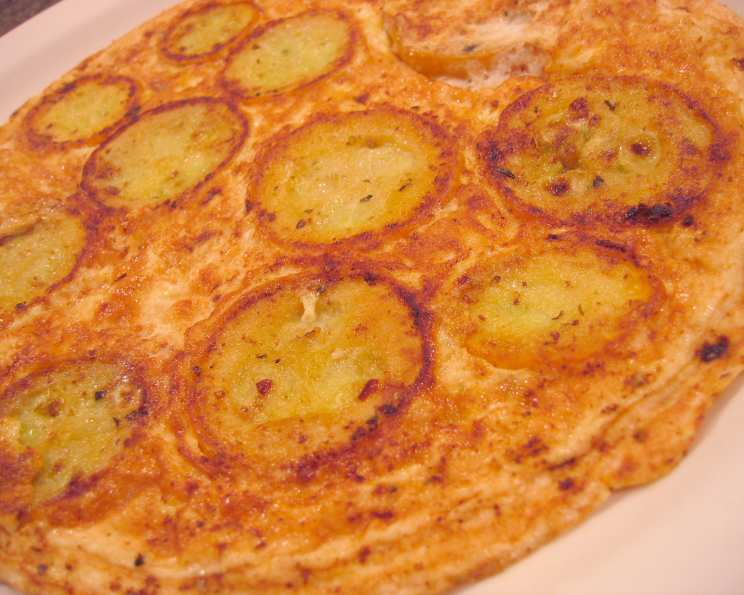
Sunshine on a Plate: My Yellow Squash Frittata Story
I can still smell the late summer air, thick with the scent of ripening tomatoes and sweet basil, as my grandmother led me through her garden. She had a knack for coaxing the most incredible vegetables from the earth, and one of her specialties was yellow squash. She would always make a simple frittata, the golden squash mingling with creamy eggs and sharp cheddar, a dish that tasted of sunshine and the end of summer. This Yellow Squash Frittata, adapted from a simple recipe, is my attempt to capture that memory, that taste of home.
Recipe Overview
- Prep Time: 15 minutes
- Cook Time: 25-30 minutes
- Total Time: 40-45 minutes
- Servings: 4
- Yield: 1 Frittata
- Dietary Type: Vegetarian
Ingredients
- 4 small yellow squash
- 1 tablespoon butter
- 6 eggs
- ½ cup cheddar cheese, grated (or your favorite cheese)
- 1 teaspoon Italian seasoning
- ¼ teaspoon salt
- ½ teaspoon pepper
Equipment Needed
- Large skillet (oven-safe preferred, but a regular skillet with an oven-safe baking dish will also work)
- Whisk
- Grater
- Cutting board
- Knife
Instructions
-
Begin by preparing the yellow squash. Wash them thoroughly and slice them into equal-sized rounds, about ¼ inch thick. If you’re using a larger squash, you can cut it in half lengthwise first and then slice it into half-moons. This ensures even cooking.
-
Next, melt the butter in a large skillet over medium heat. Once the butter is melted and shimmering, add the sliced yellow squash to the skillet.
-
Sauté the squash in the butter until it’s tender-crisp, about 8-10 minutes. Stir occasionally to prevent sticking and ensure even browning. The squash should be slightly softened but still retain some of its shape.
-
While the squash is sautéing, prepare the egg mixture. In a medium bowl, crack the eggs and whisk them vigorously until they are light and frothy.
-
Add the grated cheddar cheese, Italian seasoning, salt, and pepper to the beaten eggs. Whisk again until all ingredients are well combined. Feel free to experiment with different cheeses; Gruyere, Monterey Jack, or even a sprinkle of Parmesan would all be delicious.
-
Once the squash is tender-crisp, pour the egg mixture evenly over the squash in the skillet. Ensure the eggs are distributed throughout the squash.
-
Cook the frittata on the stovetop over low heat for about 5-7 minutes, or until the edges begin to set but the center is still slightly jiggly.
-
If your skillet is oven-safe, transfer the skillet directly to the preheated oven. If not, carefully pour the frittata mixture into an oven-safe baking dish.
-
Bake in a preheated oven at 350°F (175°C) for about 12-15 minutes, or until the eggs are cooked through and puffy. The frittata should be golden brown on top and set in the center. To check for doneness, insert a knife into the center; it should come out clean.
-
Remove the frittata from the oven and let it cool slightly before slicing and serving. This allows the frittata to set further and makes it easier to cut.
Expert Tips & Tricks
- Prevent Soggy Squash: Ensure the squash isn’t overcrowded in the pan while sautéing. Overcrowding steams the squash instead of allowing it to brown. Sauté in batches if needed.
- Cheese Placement: For an extra cheesy top, reserve some of the grated cheese and sprinkle it over the frittata during the last few minutes of baking.
- Add Herbs: Fresh herbs like basil, parsley, or chives add a burst of fresh flavor. Chop them finely and stir them into the egg mixture or sprinkle them on top after baking.
- Make it Spicy: A pinch of red pepper flakes added to the egg mixture will give your frittata a little kick.
- Oven Temperature Variations: Ovens can vary. Start checking for doneness a few minutes before the recommended baking time.
- Frittata Troubleshooting: If the frittata is browning too quickly on top, cover it loosely with foil during the last few minutes of baking. If the bottom is burning, raise the oven rack.
Serving & Storage Suggestions
Serve the Yellow Squash Frittata warm or at room temperature. It’s delicious on its own or as part of a larger brunch spread. Consider pairing it with a side salad, fresh fruit, or crusty bread.
Leftover frittata can be stored in an airtight container in the refrigerator for up to 3 days. To reheat, warm it gently in a skillet over low heat or in the microwave. You can also enjoy it cold!
Freezing is not recommended, as the texture of the eggs can become rubbery upon thawing.
Nutritional Information
| Nutrient | Amount per Serving | % Daily Value |
|---|---|---|
| Calories | 211.5 kcal | N/A |
| Calories from Fat | N/A | 65% |
| Total Fat | 15.2 g | 23% |
| Saturated Fat | 7.2 g | 35% |
| Cholesterol | 339.7 mg | 113% |
| Sodium | 370.3 mg | 15% |
| Total Carbohydrate | 4.7 g | 1% |
| Dietary Fiber | 1.3 g | 5% |
| Sugars | 2.7 g | N/A |
| Protein | 14.4 g | 28% |
Note: Nutritional information is an estimate and may vary based on specific ingredients and portion sizes.
Variations & Substitutions
- Dairy-Free: Substitute the cheddar cheese with a dairy-free cheese alternative or omit the cheese entirely. Nutritional yeast can add a cheesy flavor.
- Add Vegetables: Feel free to add other vegetables to the frittata. Onions, bell peppers, mushrooms, or zucchini would all be delicious additions. Sauté them alongside the squash.
- Protein Boost: Add cooked sausage, bacon, or ham to the frittata for a heartier meal.
- Herb Variations: Experiment with different herbs. Thyme, rosemary, or oregano would be great substitutes for Italian seasoning.
- Gluten-Free: This recipe is naturally gluten-free.
FAQs (Frequently Asked Questions)
Q: Can I use frozen yellow squash?
A: While fresh squash is preferred, you can use frozen squash. Thaw it completely and pat it dry before sautéing to remove excess moisture.
Q: Can I make this frittata ahead of time?
A: Yes, you can make the frittata ahead of time and store it in the refrigerator. Reheat it gently before serving. It’s also delicious cold.
Q: Can I add milk or cream to the egg mixture?
A: Adding a tablespoon or two of milk or cream will make the frittata slightly creamier, but it’s not necessary.
Q: Can I use different types of cheese?
A: Absolutely! Feel free to experiment with different cheeses like Gruyere, Monterey Jack, or feta.
Q: What if my frittata is watery?
A: This is usually caused by excess moisture in the squash. Make sure to sauté the squash until tender-crisp to evaporate some of the water. You can also pat the sautéed squash dry with a paper towel before adding the egg mixture.
Final Thoughts
This Yellow Squash Frittata is a celebration of simple, fresh ingredients and the joy of cooking from scratch. It’s more than just a recipe; it’s a reminder of sunny days in my grandmother’s garden and the warmth of her kitchen. I encourage you to try this recipe and make it your own. Experiment with different cheeses, vegetables, and herbs to create a frittata that reflects your personal tastes. Don’t be afraid to share your culinary creations with friends and family – food is meant to be shared!