
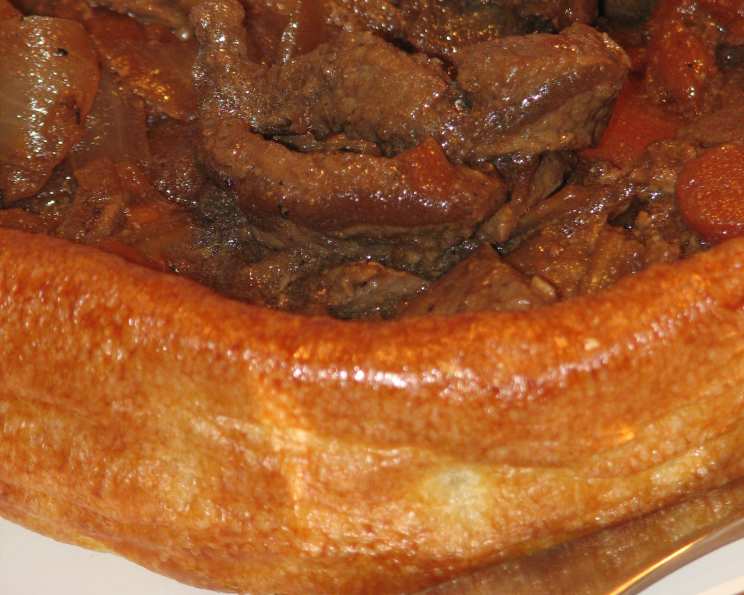
Yorkshire Beef Pudding: A Taste of Home
The first time I tasted Yorkshire Beef Pudding was on a blustery autumn evening, huddled around my grandmother’s worn wooden kitchen table. Rain lashed against the windowpanes, but inside, the air was thick with the savory aroma of beef and warm, yeasty batter. The pudding, puffed and golden brown, arrived steaming from the oven, a comforting beacon in the gloom. Grandma ladled generous portions onto our plates, and with each bite, the rich flavors chased away the chill and filled me with a sense of profound contentment. It wasn’t just a meal; it was a memory, a feeling of home.
Recipe Overview
- Prep Time: 20 minutes
- Cook Time: 30 minutes
- Total Time: 50 minutes
- Servings: 6
- Yield: One 2-quart casserole
- Dietary Type: Not Gluten-Free
Ingredients
- 1 small onion, sliced thin
- 1 lb ground beef
- 2 tablespoons flour
- 1 (16 ounce) can mixed vegetables
- 1/3 cup water
- 1/4 teaspoon salt
- 1/8 teaspoon pepper
- 2 tablespoons butter
- 2 eggs
- 1 cup milk
- 1 cup flour
- 1/2 teaspoon salt
Equipment Needed
- Large skillet or frying pan
- 2-quart casserole dish
- Medium-sized mixing bowl
- Whisk or electric mixer
- Measuring cups and spoons
Instructions
-
First, you’ll want to prepare the meaty filling. In a large skillet or frying pan over medium-high heat, brown the ground beef along with the sliced onion. Cook until the beef is no longer pink and the onion is softened, about 5-7 minutes.
-
Once the beef is browned, drain off any excess grease, but leave about 1 tablespoon in the pan to help with flavor and texture.
-
Sprinkle 2 tablespoons of flour over the beef and onion mixture. Stir well to ensure the flour is evenly distributed and coats the meat. This will help to thicken the sauce later.
-
Now, add the 1/3 cup of water to the pan. Stir constantly to incorporate the flour and create a gravy. Cook until the mixture thickens, usually a couple of minutes. Watch carefully to avoid scorching.
-
Add the can of mixed vegetables (drained), 1/4 teaspoon of salt, and 1/8 teaspoon of pepper to the meat mixture. Stir everything together to combine. At this point, you could technically stop here and serve the beef and vegetables as a simple stew, but we’re aiming for that delicious pudding!
-
While the filling simmers briefly, prepare the batter. Melt 2 tablespoons of butter in the 2-quart casserole dish. Make sure the entire bottom and sides of the dish are coated with melted butter. This helps prevent the pudding from sticking and contributes to a beautifully golden crust.
-
In a medium bowl, beat the 2 eggs using a whisk or electric mixer until they are light and frothy.
-
Add 1 cup of milk to the beaten eggs and blend well.
-
In a separate bowl, combine 1 cup of flour and 1/2 teaspoon of salt. Gradually add this dry mixture to the wet ingredients, beating until the batter is smooth and free of lumps. A few small lumps are okay, but try to avoid overmixing.
-
Pour the batter into the casserole dish, over the melted butter.
-
Now for the fun part: Carefully spoon the meat mixture into the center of the batter, creating a well in the middle. Leave about 1 inch of space between the meat and the edge of the batter, as the batter will puff up during baking.
-
Bake in a preheated 425 degree oven for 30 minutes, or until the batter is puffed and golden brown. The pudding is done when a toothpick inserted into the batter comes out clean.
Expert Tips & Tricks
- Browning the Beef: Achieving a good sear on the ground beef adds depth of flavor. Don’t overcrowd the pan; brown the beef in batches if necessary.
- The Batter Consistency: The batter should be smooth, but don’t overmix it. Overmixing develops the gluten in the flour, resulting in a tough pudding.
- Preventing a Soggy Bottom: Ensuring the casserole dish is well-greased with melted butter is crucial for a crispy bottom.
- Oven Temperature: Ovens can vary, so keep an eye on the pudding during the last 10 minutes of baking. If it’s browning too quickly, loosely tent it with foil.
- Make-Ahead Tip: You can prepare the meat filling ahead of time and store it in the refrigerator for up to 2 days. When ready to bake, simply reheat the filling before adding it to the batter.
- Enhance the Gravy: For a richer gravy, use beef broth instead of water when thickening the meat mixture. A splash of Worcestershire sauce can also add depth of flavor.
Serving & Storage Suggestions
Yorkshire Beef Pudding is best served hot, straight from the oven. The contrast between the savory beef filling and the light, airy batter is delightful. A simple side salad or steamed green vegetables complement the richness of the pudding.
Leftovers can be stored in an airtight container in the refrigerator for up to 3 days. Reheat in the oven at 350 degrees F until warmed through, or microwave in short bursts, being careful not to overheat the batter. While the batter may lose some of its crispness upon reheating, the flavor will still be delicious. Freezing is not recommended as the batter texture will suffer.
Nutritional Information
| Nutrient | Amount per Serving | % Daily Value |
|---|---|---|
| Calories | 374 kcal | N/A |
| Fat | 18.8g | 28% |
| Saturated Fat | 8.4g | 41% |
| Cholesterol | 137.8mg | 45% |
| Sodium | 524.9mg | 21% |
| Carbohydrate | 28.1g | 9% |
| Dietary Fiber | 3.1g | 12% |
| Sugars | 2.5g | N/A |
| Protein | 22g | 44% |
Note: Nutritional information is an estimate and may vary based on specific ingredients and portion sizes.
Variations & Substitutions
- Gluten-Free: Substitute the all-purpose flour with a gluten-free all-purpose flour blend. Be sure to check that the blend contains a binder like xanthan gum or guar gum for the best texture.
- Vegetarian: Replace the ground beef with a plant-based ground meat substitute or lentils. Add extra vegetables like mushrooms, zucchini, or bell peppers for a heartier filling.
- Different Meats: Try using ground lamb, pork, or even shredded cooked chicken or turkey in place of the ground beef.
- Seasonal Vegetables: Customize the mixed vegetables based on what’s in season. Root vegetables like carrots, parsnips, and potatoes are particularly delicious in the fall and winter.
- Spice It Up: Add a pinch of red pepper flakes or a dash of hot sauce to the meat filling for a spicy kick.
FAQs (Frequently Asked Questions)
Q: Can I use a different size casserole dish?
A: Yes, but adjust the baking time accordingly. A larger dish will result in a thinner pudding, which may cook faster. A smaller dish may require a longer baking time.
Q: Why is my pudding soggy?
A: A soggy pudding is often caused by not draining enough grease from the beef or not preheating the oven to the correct temperature. Ensure the casserole dish is well-greased and the oven is hot before baking.
Q: Can I prepare the batter in advance?
A: It’s best to make the batter just before baking, as it can lose its lightness if left to sit for too long.
Q: How do I know when the pudding is done?
A: The pudding is done when the batter is puffed and golden brown and a toothpick inserted into the batter comes out clean.
Q: Can I add cheese to the filling?
A: Absolutely! A sprinkle of cheddar or Gruyère cheese over the meat filling before baking adds a delicious cheesy flavor.
Final Thoughts
Yorkshire Beef Pudding is more than just a recipe; it’s a celebration of comfort, flavor, and tradition. I urge you to give this recipe a try and experience the heartwarming satisfaction of creating a dish that’s both simple and incredibly delicious. Feel free to experiment with the variations and substitutions to make it your own, and don’t hesitate to share your feedback and experiences. Pair it with a glass of robust red wine or a crisp, refreshing beer for a truly unforgettable meal. Bon appétit!