
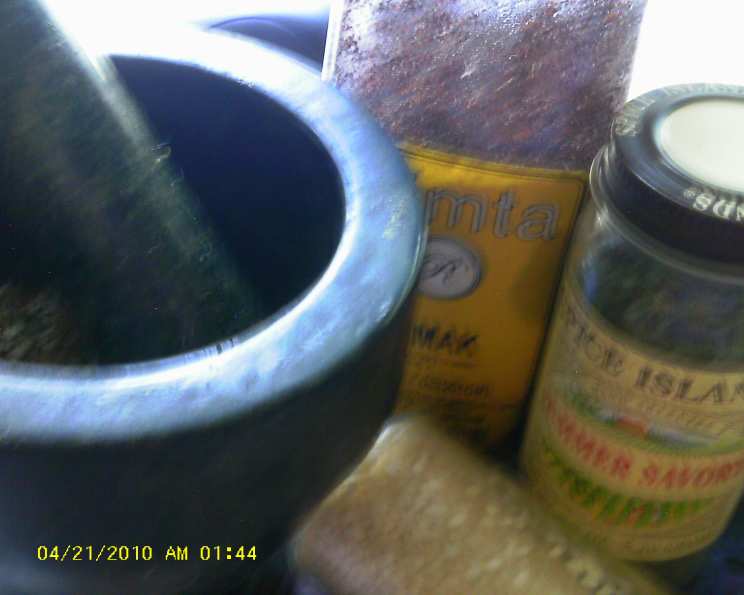
Za’atar: A Symphony of Middle Eastern Flavors
My first encounter with za’atar wasn’t in a bustling Middle Eastern marketplace, but rather in my tiny Brooklyn kitchen. A dear friend, freshly returned from a trip to Lebanon, gifted me a small jar of this earthy, aromatic blend. As soon as I opened it, the scent transported me: a heady mix of tangy sumac, herbaceous thyme, and nutty sesame. I sprinkled it liberally on everything – roasted vegetables, grilled chicken, even avocado toast. It was an instant revelation, a burst of sunshine and ancient spice that transformed the mundane into the magical. From that moment on, za’atar became a staple in my pantry, a constant reminder of the vibrant flavors of the Middle East and the power of a simple spice blend to elevate any dish.
Recipe Overview
- Prep Time: 5 minutes
- Cook Time: 0 minutes
- Total Time: 5 minutes
- Yields: 3/4 cup
- Dietary Type: Vegan, Gluten-Free
Ingredients
- 4 tablespoons ground sumac
- 2 tablespoons whole thyme
- 3 tablespoons toasted sesame seeds, coarsely ground
- 2 tablespoons oregano
- 2 tablespoons ground marjoram
- 1 teaspoon savory (optional)
- 1 teaspoon basil (optional)
- 2 tablespoons coarse salt
Equipment Needed
- Mortar and pestle (or spice grinder)
- Small mixing bowl
- Airtight container for storage
Instructions
-
If using whole sesame seeds, lightly toast them in a dry pan over medium heat until fragrant and lightly golden, about 2-3 minutes. Be careful not to burn them! Allow the toasted sesame seeds to cool slightly.
-
Coarsely grind the toasted sesame seeds using a mortar and pestle. You don’t want a fine powder, but rather a slightly crushed texture that releases their aroma. Alternatively, pulse them briefly in a spice grinder.
-
In a mortar, combine the coarsely ground sesame seeds with the ground sumac, whole thyme, oregano, ground marjoram, savory (if using), basil (if using), and coarse salt.
-
Using the pestle, crush and mix all the ingredients together until well combined. The herbs should be slightly broken down, releasing their essential oils. The mixture should be fragrant and evenly distributed. If you don’t have a mortar and pestle, you can thoroughly combine the ingredients in a small bowl, crushing the thyme and other herbs with your fingers to release their oils.
-
Transfer the za’atar spice blend to an airtight container and store in a cool, dark place.
Expert Tips & Tricks
-
Toast the Sesame Seeds: Toasting the sesame seeds is crucial for enhancing their nutty flavor and aroma. Watch them carefully to prevent burning, which can make them bitter.
-
Adjust the Salt: The amount of salt in za’atar can be adjusted to your personal preference. Start with the recommended amount and add more to taste. Keep in mind that some sumac can be quite tart, so the salt helps to balance the flavors.
-
Use High-Quality Ingredients: The quality of the ingredients will significantly impact the flavor of your za’atar. Use fresh, fragrant herbs and high-quality sumac for the best results.
-
Dry Your Own Thyme: If you have access to fresh thyme, consider drying it yourself. The flavor of freshly dried thyme is far superior to store-bought dried thyme. Simply tie sprigs of thyme together and hang them upside down in a cool, dry place until completely dry.
-
Pulse, Don’t Grind to Dust: When grinding the sesame seeds, aim for a coarsely ground texture. Grinding them into a fine powder will result in a paste-like consistency when mixed with the other ingredients.
-
Customize the Herbs: Feel free to experiment with different herbs and proportions to create your own unique za’atar blend. Other herbs that pair well with za’atar include thyme, rosemary, and mint.
-
Make a Big Batch: Because Za’atar has a long shelf life when stored properly, consider making a larger batch to always have on hand. You can adjust the recipe proportionally.
Serving & Storage Suggestions
Za’atar is incredibly versatile and can be used in a wide variety of dishes. Here are a few suggestions:
-
Man’ouche: The classic way to enjoy za’atar is on man’ouche, a Lebanese flatbread topped with za’atar and olive oil.
-
Labneh: Sprinkle za’atar over labneh (strained yogurt) and drizzle with olive oil for a simple and delicious appetizer.
-
Roasted Vegetables: Toss roasted vegetables, such as carrots, potatoes, and Brussels sprouts, with za’atar for a flavorful side dish.
-
Grilled Meats: Rub grilled meats, such as chicken, lamb, and beef, with za’atar for a Middle Eastern-inspired flavor.
-
Eggs: Sprinkle za’atar over scrambled eggs, fried eggs, or omelets for a savory breakfast.
-
Salads: Add za’atar to salads for a boost of flavor and texture.
-
Olive Oil Dip: Mix za’atar with olive oil and serve with pita bread or crusty bread for dipping.
-
Pasta: Toss cooked pasta with za’atar, olive oil, and grated Parmesan cheese for a simple and flavorful meal.
-
Bruschetta: Sprinkle Za’atar on top of bruschetta with chopped tomatoes, garlic, olive oil, and balsamic vinegar for a unique twist.
Storage: Store za’atar in an airtight container in a cool, dark place for up to 6 months. The flavor may diminish slightly over time, but the spice blend will still be safe to use. Properly stored Za’atar can last even longer, up to a year, though its potency might gradually decrease.
Nutritional Information
Note: Nutritional information is an estimate and may vary based on specific ingredients and portion sizes.
| Nutrient | Amount per Serving (1 tsp) | % Daily Value* |
|---|---|---|
| Calories | 15 kcal | 1% |
| Total Fat | 1 g | 2% |
| Saturated Fat | 0 g | 0% |
| Cholesterol | 0 mg | 0% |
| Sodium | 300 mg | 13% |
| Total Carbohydrate | 1 g | 0% |
| Dietary Fiber | 0 g | 0% |
| Sugars | 0 g | 0% |
| Protein | 0 g | 0% |
*Based on a 2,000 calorie diet.
Variations & Substitutions
-
Sesame-Free Za’atar: For those with sesame allergies, you can omit the sesame seeds altogether. The flavor will be different, but the other herbs and spices will still provide a delicious blend. You can also substitute sunflower seeds or pumpkin seeds for the sesame seeds.
-
Spicy Za’atar: Add a pinch of red pepper flakes or cayenne pepper to the spice blend for a touch of heat.
-
Citrusy Za’atar: Add a teaspoon of dried lemon zest or orange zest to the spice blend for a bright, citrusy flavor.
-
Herby Za’atar: Experiment with different herbs, such as rosemary, mint, or sage, to create your own unique za’atar blend.
-
Vegan Za’atar Man’ouche: Ensure the flatbread used for man’ouche is vegan-friendly. Most traditional recipes are, but it’s always good to check.
FAQs (Frequently Asked Questions)
Q: What exactly is Sumac?
A: Sumac is a tangy, crimson-colored spice derived from the dried berries of the sumac shrub. It adds a lemony, slightly fruity flavor to dishes, and is a key component of authentic za’atar.
Q: Can I use pre-ground thyme instead of whole thyme?
A: Yes, you can use pre-ground thyme, but the flavor will be more intense, so reduce the amount by half (1 tablespoon). Freshly crushed thyme provides a more nuanced flavor.
Q: How do I know if my sesame seeds are toasted enough?
A: Toasted sesame seeds should be lightly golden brown and fragrant. Watch them carefully, as they can burn quickly. If they start to smell burnt, remove them from the heat immediately.
Q: Can I make za’atar without a mortar and pestle?
A: Yes, you can make za’atar without a mortar and pestle. Simply combine all the ingredients in a small bowl and mix well. Use your fingers to crush the thyme and other herbs to release their oils. You can use a food processor to pulse the ingredients into a coarse grind.
Q: How can I tell if my Za’atar has gone bad?
A: While za’atar doesn’t necessarily “go bad” in the sense of becoming unsafe to eat, it can lose its potency over time. If the aroma has faded significantly and the flavor is noticeably weaker, it’s probably time to make a fresh batch.
Final Thoughts
Za’atar is more than just a spice blend; it’s a culinary journey to the heart of the Middle East. It’s an invitation to explore new flavors, experiment with different cuisines, and add a touch of magic to your everyday meals. I encourage you to try this recipe, experiment with different variations, and discover your own favorite ways to use za’atar. Share your creations with friends and family, and let the flavors of the Middle East inspire your culinary adventures. So, gather your ingredients, unleash your inner chef, and prepare to be transported to a world of vibrant flavors and aromatic delights. Enjoy!