
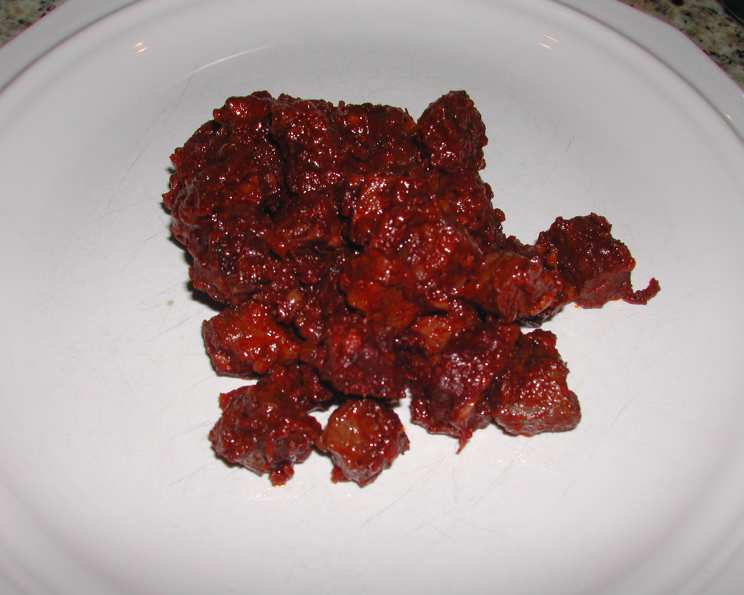
Zigni: A Fiery Taste of Eritrea
The memory is etched in my mind: a tiny, bustling restaurant in Asmara, Eritrea, filled with the aroma of spices I couldn’t quite place. My aunt, visiting from abroad, insisted I try the Zigni. The vibrant red stew, served atop a bed of spongy injera, looked intimidating. One bite, and my mouth was on fire – a delightful, complex heat that danced across my palate. It was more than just a meal; it was an experience, a cultural immersion that sparked a lifelong fascination with Eritrean cuisine.
Recipe Overview
- Prep Time: 30 minutes
- Cook Time: 1 hour 30 minutes to 2 hours 30 minutes (depending on meat)
- Total Time: 2 hours to 3 hours
- Servings: 4-6
- Dietary Type: Can be Gluten-Free (if served with Gluten-Free Injera)
Ingredients
For the Berbere Spice Mix:
- 1 teaspoon ground ginger
- 1 teaspoon ground fenugreek
- 1 teaspoon ground black pepper
- ½ teaspoon ground coriander
- ½ teaspoon ground cardamom
- ¼ teaspoon ground cloves
- ¼ teaspoon ground allspice
- ⅛ teaspoon ground cinnamon
- 1 tablespoon salt
- 7 tablespoons mixed mild and hot paprika (adjust ratio to taste)
For the Zigni Stew:
- 2 lbs stewing beef, in cubes
- ¼ cup vegetable oil
- 2 large onions, chopped
- 4 garlic cloves, crushed
- 2 (14 ounce) cans plum tomatoes with liquid
- 2 beef bouillon cubes
- 1 tablespoon tomato paste
- ½ cup dry red wine (optional)
- Salt to taste
- Pepper to taste
- Lemon juice to taste (optional)
- Fresh coriander (cilantro) (optional), for garnish
- 3 tablespoons Berbere pepper (prepared above), plus more to taste
Equipment Needed
- Dry skillet or pan
- Jar for spice storage
- Large pot or Dutch oven
- Knife
- Cutting board
Instructions
-
Prepare the Berbere Spice Mix: If starting with whole spices, grind them using a spice grinder or mortar and pestle. In a dry skillet over low heat, combine the ground ginger, ground fenugreek, ground black pepper, ground coriander, ground cardamom, ground cloves, ground allspice, ground cinnamon, salt, and mixed paprika.
-
Roast the Spices: Stir the spice mixture constantly for about 5-10 minutes, or until warm, fragrant, and slightly roasted. Be careful not to burn the spices, as this will result in a bitter flavor. The paprika should be of the highest quality for the best flavor and color.
-
Cool and Store the Berbere: While still hot, pour the berbere pepper into a jar and seal tightly. Store in a cool, dark place for up to several months.
-
Brown the Beef: In a large pot or Dutch oven, heat the vegetable oil over high heat. Add the beef cubes in batches, ensuring not to overcrowd the pot. Brown the meat on all sides until a rich, golden-brown crust forms. Remove the browned beef from the pot and set aside.
-
Sauté the Aromatics: Reduce the heat to medium and add the chopped onions to the pot. Sauté until softened and translucent, about 5-7 minutes. Add the crushed garlic and cook for another minute until fragrant, being careful not to burn it.
-
Add Berbere and Deglaze: Stir in 3 tablespoons of the prepared Berbere pepper into the onion and garlic mixture. Cook for about a minute, stirring constantly, to release the flavors of the spices. Be very careful not to let the Berbere burn. If using red wine, pour it into the pot to deglaze, scraping up any browned bits from the bottom.
-
Simmer the Stew: Return the browned beef to the pot. Add the canned plum tomatoes (with their liquid), beef bouillon cubes, and tomato paste. Stir well to combine all ingredients.
-
Slow Cook: Bring the stew to a simmer, then reduce the heat to low, cover the pot, and let it simmer very slowly until the meat is tender and the stew has thickened. This can take anywhere from 1 ½ to 2 ½ hours, or even longer, depending on the cut of beef used. Check the stew periodically and stir to prevent sticking. If the stew becomes too dry, add a little water or beef broth.
-
Season and Adjust: Once the meat is tender, season the stew with salt and pepper to taste. For an extra zing, add a squeeze of lemon juice (optional). If you prefer a spicier stew, add more Berbere pepper to taste.
-
Garnish and Serve: Garnish with fresh coriander (cilantro), if desired. Serve the Zigni hot on Injera (Ethiopian flatbread). It is also delicious with rice or potatoes.
Expert Tips & Tricks
- Meat Selection: The type of stewing beef you use will greatly affect the cooking time. Tougher cuts like chuck roast will require longer simmering to become tender.
- Spice Level: Adjust the ratio of mild to hot paprika in the Berbere spice mix to control the heat level of the Zigni. Start with a milder ratio and add more hot paprika to taste.
- Berbere Roasting: Roasting the Berbere spices is crucial for developing their flavor. However, it’s important to roast them gently and avoid burning, which will result in a bitter taste.
- Slow Cooking: Low and slow is the key to tenderizing the beef and developing the rich flavors of the stew. Be patient and allow the stew to simmer for as long as needed.
Serving & Storage Suggestions
Serving: Serve Zigni hot, traditionally atop a bed of Injera. You can also serve it with rice, mashed potatoes, or crusty bread. Garnish with fresh cilantro for a pop of freshness.
Storage: Leftover Zigni can be stored in an airtight container in the refrigerator for up to 3-4 days. For longer storage, freeze in an airtight container for up to 2-3 months.
Reheating: Reheat leftover Zigni in a saucepan over medium heat, stirring occasionally, until heated through. You can also reheat it in the microwave. If the stew has thickened too much during storage, add a little water or beef broth to thin it out.
Nutritional Information
| Nutrient | Amount per Serving | % Daily Value |
|---|---|---|
| Calories | 531 kcal | N/A |
| Total Fat | 26 g | 40% |
| Saturated Fat | 7 g | 33% |
| Cholesterol | 145 mg | 48% |
| Sodium | 2764 mg | 115% |
| Total Carbohydrate | 26 g | 8% |
| Dietary Fiber | 8 g | 33% |
| Sugars | 10 g | N/A |
| Protein | 55 g | 109% |
Note: Nutritional information is an estimate and may vary depending on specific ingredients and portion sizes.
Variations & Substitutions
- Vegan Zigni: Substitute the beef with lentils or mushrooms for a vegan version. Use vegetable broth instead of beef broth.
- Spicier Zigni: Add more hot paprika or a pinch of cayenne pepper to the Berbere spice mix for a spicier dish. You could also add a chopped chili pepper to the stew while it simmers.
- Different Meats: While traditionally made with beef, Zigni can also be made with lamb or chicken. Adjust the cooking time accordingly.
- Vegetable Additions: Add other vegetables like carrots, potatoes, or bell peppers to the stew for added flavor and nutrition. Add them about halfway through the cooking time so they don’t become mushy.
FAQs (Frequently Asked Questions)
Q: Can I make Berbere spice ahead of time?
A: Absolutely! In fact, it’s recommended. Making a larger batch of Berbere and storing it allows the flavors to meld together, resulting in a more complex and flavorful spice mix. Just ensure it’s stored in an airtight container in a cool, dark place.
Q: How do I adjust the spice level of the Zigni?
A: The spice level is primarily determined by the amount and type of paprika used in the Berbere spice mix. Increase the amount of hot paprika for a spicier dish, or reduce it for a milder flavor. Adding a pinch of cayenne pepper directly to the stew is another option for increasing the heat.
Q: What is Injera, and can I substitute it?
A: Injera is a spongy, slightly sour flatbread made from teff flour, a staple in Eritrean and Ethiopian cuisine. If you can’t find Injera, you can serve Zigni with rice, potatoes, or any other flatbread.
Q: Can I make Zigni in a slow cooker?
A: Yes, you can adapt this recipe for a slow cooker. Brown the beef and sauté the onions and garlic as directed in the recipe. Then, transfer all the ingredients to the slow cooker and cook on low for 6-8 hours, or on high for 3-4 hours, until the beef is tender.
Q: How do I know when the beef is cooked enough?
A: The beef is done when it is fork-tender and easily pulls apart. The exact cooking time will vary depending on the cut of beef used and the simmering temperature. If the beef is still tough, continue to simmer until it is tender.
Final Thoughts
Zigni is more than just a recipe; it’s a journey to Eritrea, a taste of history, and a celebration of vibrant flavors. Don’t be intimidated by the spice – embrace it! Experiment with the Berbere blend to find your perfect level of heat. Gather your loved ones, prepare this hearty and flavorful stew, and transport yourselves to the heart of Eritrean cuisine. I encourage you to try this recipe, share your feedback, and perhaps even pair it with a crisp, dry white wine to balance the spice. Enjoy!