
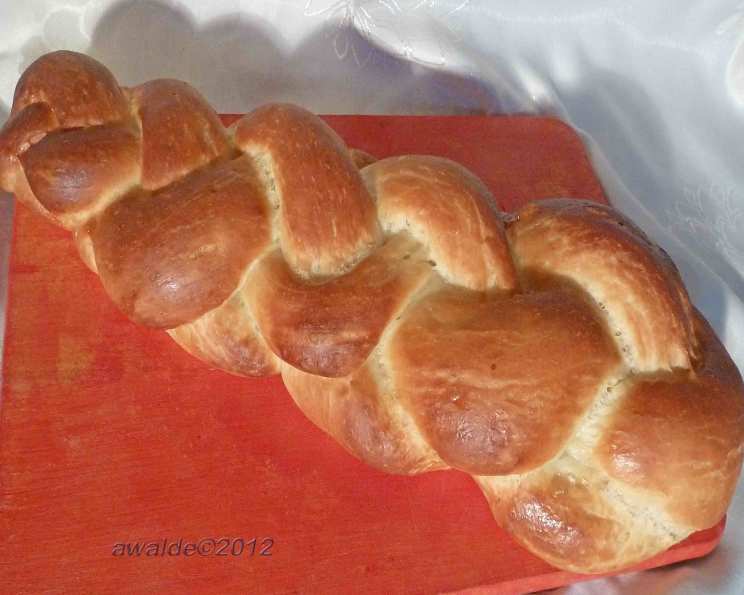
Baking Memories: Mastering the Art of Zopf (Braided Bread)
I can still smell the warm, yeasty aroma wafting from my grandmother’s kitchen every Sunday morning. She would be there, sleeves rolled up, coaxing life into a ball of dough destined to become the most beautiful, golden-brown Zopf – a braided bread that symbolized family, tradition, and the simple joy of sharing a meal together. The slightly sweet taste, the soft, fluffy interior, and the satisfying chew of the crust are forever etched in my memory, a culinary cornerstone of my childhood.
Recipe Overview
- Prep Time: 30 minutes
- Cook Time: 20-25 minutes
- Total Time: Approximately 2 hours 30 minutes (including proofing)
- Servings: 6-8
- Yield: 1 loaf
- Dietary Type: Not suitable for vegans, vegetarians should be able to consume it
Ingredients
- 250 ml lukewarm milk
- 75 g butter or 75 g margarine (softened)
- 1 tablespoon sugar
- ½ teaspoon salt
- 500 g bread flour or 500 g baking flour
- 15 g fresh yeast
- 1 egg yolk
- 1 egg white
- 1 tablespoon water
Equipment Needed
- Large mixing bowl
- Electric mixer with dough hook attachment (optional, but recommended)
- Baking sheet
- Pastry brush
- Measuring cups and spoons
Instructions
- Combine Initial Ingredients: In a large bowl, gently mix together the lukewarm milk, sugar, salt, softened butter (or margarine), egg yolk, and 200g of the flour. The milk should be warm to the touch, but not hot, to activate the yeast properly.
- Initial Mixing: Using an electric mixer with a dough hook attachment (or by hand), mix the ingredients on low speed for approximately 1 minute. This combines the wet and dry ingredients to form a basic dough.
- Add Yeast: Crumble the fresh yeast into the bowl. Continue mixing for another 2 minutes, ensuring the yeast is evenly distributed throughout the mixture. The yeast is the heart of the recipe, giving the bread its light and airy texture.
- Add Remaining Flour: Gradually add the remaining 300g of flour to the bowl. Continue to work the dough with the dough hook (or by hand) until all the flour is incorporated.
- Knead the Dough: Knead the dough until it pulls away from the sides of the bowl and becomes smooth and elastic. This process typically takes around 5 minutes with a dough hook. If kneading by hand, it might take slightly longer – about 8-10 minutes. The dough should be soft and pliable, not sticky.
- Divide and Shape: Divide the dough into 2 equal pieces. Roll each piece on a lightly floured surface into a 60 cm long cylinder. Alternatively, divide the dough into 3 equal pieces and roll each piece into a 30 cm long cylinder for a slightly different braid pattern.
- Braid the Dough: Braid the two (or three) strands together. The goal is to create a visually appealing loaf with a consistent thickness. There are many braiding techniques; feel free to experiment! Place the braided loaf on a lightly greased baking sheet.
- Egg Wash: In a small bowl, whisk together the egg white and water to create an egg wash. Gently brush the entire surface of the braided loaf with this mixture. The egg wash will give the Zopf its characteristic golden-brown color and a slight sheen.
- Proofing: Let the dough rest in a warm place for approximately 90 minutes, or until it has doubled in size. This step is crucial for allowing the yeast to work its magic and create a light and airy crumb. Cover the loaf loosely with plastic wrap or a clean kitchen towel to prevent it from drying out.
- Bake: Preheat your oven to 180°C (350°F). Once the dough has fully proofed, bake it in the preheated oven for 20 to 25 minutes, or until it is golden brown. The internal temperature should reach around 90°C (195°F). Please note that baking times may vary depending on your oven. For convection ovens, the heat and timing is generally less than a standard oven.
- Cooling: Once baked, remove the Zopf from the oven and let it cool on a wire rack before slicing and serving. This prevents the bottom of the loaf from becoming soggy.
Expert Tips & Tricks
- Yeast Activation: Ensure your milk isn’t too hot, as this can kill the yeast. Lukewarm is the ideal temperature.
- Dough Consistency: If the dough is too sticky, add flour one tablespoon at a time until it reaches the desired consistency. Conversely, if the dough is too dry, add milk one teaspoon at a time.
- Proofing Environment: A warm, humid environment is ideal for proofing. You can create a makeshift proofing box by placing the dough in a slightly warmed oven with a pan of hot water.
- Shiny Crust: For an extra shiny crust, brush the loaf with egg wash again halfway through baking.
- Preventing Over-Browning: If the top of the loaf is browning too quickly, tent it with aluminum foil.
Serving & Storage Suggestions
Zopf is best enjoyed fresh, ideally still slightly warm from the oven. It’s a wonderful accompaniment to butter, jam, cheese, or simply enjoyed on its own. It’s traditionally served for Sunday brunch or as a special treat during holidays.
Leftovers can be stored at room temperature in an airtight container for 1-2 days. For longer storage, wrap the loaf tightly in plastic wrap and freeze it for up to 2 months. To reheat, thaw the loaf completely and then warm it in a preheated oven at 180°C (350°F) for 5-10 minutes, or until heated through. You can also slice it and toast it.
Nutritional Information
| Nutrient | Amount per Serving | % Daily Value |
|---|---|---|
| Calories | 361 kcal | N/A |
| Total Fat | 15.1 g | 23% |
| Saturated Fat | 8.2 g | 40% |
| Cholesterol | 60.1 mg | 20% |
| Sodium | 740.2 mg | 30% |
| Total Carbohydrate | 47.2 g | 15% |
| Dietary Fiber | 2.4 g | 9% |
| Sugars | 5.8 g | N/A |
| Protein | 9.2 g | 18% |
Note: Nutritional information is an estimate and can vary depending on ingredient variations and portion sizes.
Variations & Substitutions
- Dairy-Free: Substitute the milk with a plant-based alternative like almond, soy, or oat milk. Use a vegan butter substitute or oil for the butter.
- Sweet Zopf: Add a touch of lemon zest or orange zest to the dough for a citrusy aroma. You can also incorporate a handful of raisins or chocolate chips for a sweeter treat.
- Savory Zopf: Add herbs like rosemary, thyme, or oregano to the dough for a savory twist. You can also sprinkle the loaf with sesame seeds or poppy seeds before baking.
- Gluten-Free: While achieving the exact texture of traditional Zopf with gluten-free flour is challenging, you can experiment with a gluten-free bread flour blend and adjust the liquid content as needed.
FAQs (Frequently Asked Questions)
Q: Why is my Zopf dough not rising?
A: Several factors could contribute to this. The yeast might be old or inactive, the milk might have been too hot (killing the yeast), or the dough might not have been proofed in a warm enough environment.
Q: Can I use active dry yeast instead of fresh yeast?
A: Yes, you can. Use approximately 7 grams of active dry yeast. Proof the active dry yeast in warm water with a pinch of sugar for 5-10 minutes before adding it to the other ingredients.
Q: How do I prevent the braid from unraveling during baking?
A: Ensure the strands of dough are tightly braided and that the ends are securely tucked underneath the loaf. This will help maintain its shape during baking.
Q: My Zopf is browning too quickly on top. What can I do?
A: Tent the loaf loosely with aluminum foil to prevent it from browning further without affecting the baking process.
Q: Can I make the dough ahead of time?
A: Yes, you can prepare the dough, let it rise once, then punch it down and refrigerate it overnight. Let the dough come to room temperature for about 30 minutes before shaping and braiding.
Final Thoughts
Baking Zopf is more than just following a recipe; it’s about creating a connection to tradition, a way to share love and warmth with those around you. I encourage you to try this recipe, experiment with your own variations, and share the joy of homemade bread with your family and friends. Don’t be afraid to make mistakes – every bake is a learning experience. Happy baking!