
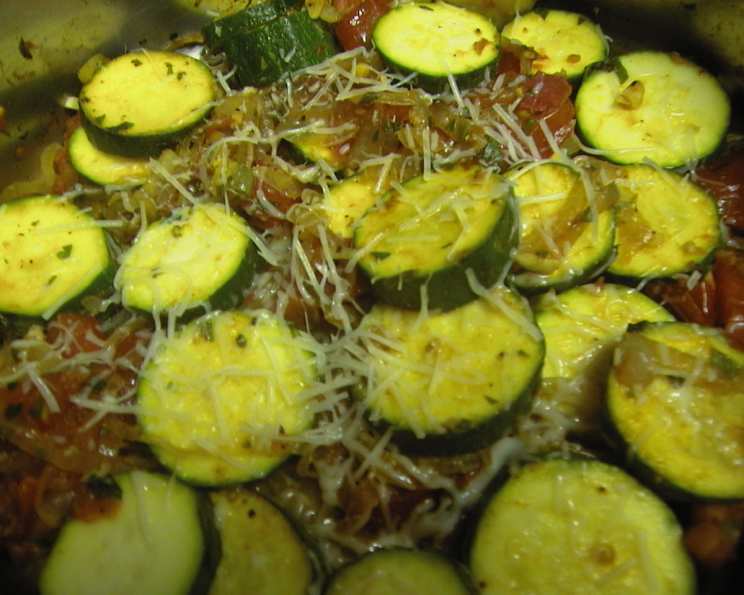
Zucchini Marinara: A Deliciously Healthy Italian Delight
The aroma of simmering tomatoes, garlic, and fresh herbs – it always transports me back to my grandmother’s kitchen. Nonna Emilia’s marinara sauce was legendary, the heart of every Sunday family gathering. While her traditional recipe was undoubtedly delicious, it wasn’t always the most blood-sugar friendly. That’s why I’ve adapted this zucchini marinara. It captures the essence of Nonna’s original, but embraces fresh zucchini to create a lighter, healthier, and equally satisfying dish for everyone to enjoy, especially those watching their carbohydrate intake.
Recipe Overview
- Prep Time: 10 minutes
- Cook Time: 15 minutes
- Total Time: 25 minutes
- Servings: 4
- Yield: About 4 cups
- Dietary Type: Diabetic-Friendly, Low-Carb, Vegetarian
Ingredients
- 2 teaspoons olive oil
- 1 small onion, thinly sliced
- 2 medium tomatoes, chopped
- 2 cloves garlic, minced
- 1 tablespoon minced fresh parsley
- 1 tablespoon minced fresh basil
- 1 1/2 cups sliced zucchini
- Salt and pepper to taste
- 1 tablespoon Parmesan cheese, grated (optional, can be omitted for a stricter diabetic diet)
Equipment Needed
- Large skillet or frying pan
- Cutting board
- Knife
- Measuring spoons and cups
Instructions
- Begin by preparing your vegetables. Thoroughly wash and dry the tomatoes and zucchini. Chop the tomatoes into bite-sized pieces and slice the zucchini into thin rounds. Thin slices will cook quickly and evenly.
- Peel and thinly slice the onion. Mince the garlic. Finely chop the fresh parsley and basil. Having all your ingredients prepped and ready to go will make the cooking process smoother.
- Place a large skillet or frying pan over medium heat. Add the olive oil and let it heat up for a minute or two. The oil should shimmer but not smoke.
- Add the sliced onion to the skillet and sauté for about 4 minutes, or until the onions are softened and translucent. Stir occasionally to prevent them from burning. Softening the onions first helps to release their natural sweetness and build a flavorful base for the sauce.
- Add the chopped tomatoes, minced garlic, chopped fresh parsley, and chopped fresh basil to the skillet. Stir to combine all the ingredients.
- Cook for 3 minutes, allowing the tomatoes to begin to break down and release their juices. The aroma of the herbs and garlic will fill your kitchen, a sign that the sauce is coming together beautifully.
- Add the sliced zucchini to the skillet. Stir gently to coat the zucchini with the tomato sauce.
- Cook for 5 minutes, or until the zucchini is tender but still slightly firm. Avoid overcooking the zucchini, as it can become mushy. Test for doneness by piercing a slice with a fork; it should offer slight resistance.
- Season the zucchini marinara with salt and pepper to taste. Start with a small amount and adjust as needed. Taste the sauce to ensure the seasoning is balanced.
- If desired, sprinkle the zucchini marinara with grated Parmesan cheese. This adds a touch of richness and umami flavor. Omit this step for a dairy-free or stricter diabetic-friendly version.
- Serve immediately.
Expert Tips & Tricks
- Enhance the flavor: For a deeper, richer flavor, consider adding a pinch of red pepper flakes to the sauce. Be careful with the amount, as a little goes a long way.
- Freshness is key: Using fresh herbs like parsley and basil will significantly enhance the flavor of the marinara. If fresh herbs are not available, you can substitute dried herbs, but use about half the amount, as dried herbs are more concentrated.
- Control the acidity: If your tomatoes are particularly acidic, you can add a pinch of sugar or a small amount of baking soda to the sauce to balance the acidity.
- Thicken the sauce: If the sauce is too watery, you can simmer it for a few extra minutes, uncovered, to allow some of the liquid to evaporate. Alternatively, you can stir in a small amount of tomato paste.
- Zucchini variety: While any type of zucchini will work in this recipe, smaller zucchinis tend to be sweeter and have fewer seeds.
Serving & Storage Suggestions
Serve the zucchini marinara hot as a side dish, over pasta (use whole wheat or a low-carb option for a diabetic-friendly meal), as a topping for grilled chicken or fish, or as a filling for omelets. Garnish with a sprig of fresh basil or a sprinkle of Parmesan cheese for an elegant presentation.
Leftover zucchini marinara can be stored in an airtight container in the refrigerator for up to 3 days. Reheat gently on the stovetop or in the microwave until heated through. It can also be frozen for longer storage, up to 2 months. Thaw overnight in the refrigerator before reheating. Note that the texture of the zucchini may be slightly softer after freezing and thawing.
Nutritional Information
Note: Nutritional information is an estimate and may vary based on specific ingredients and portion sizes.
| Nutrient | Amount per Serving | % Daily Value* |
|---|---|---|
| Calories | 85 kcal | 4% |
| Total Fat | 5g | 6% |
| Saturated Fat | 1g | 5% |
| Cholesterol | 2mg | 1% |
| Sodium | 50mg | 2% |
| Total Carbohydrate | 7g | 3% |
| Dietary Fiber | 2g | 7% |
| Sugars | 4g | |
| Protein | 2g | 4% |
| Vitamin A | 15% | |
| Vitamin C | 20% | |
| Calcium | 4% | |
| Iron | 3% |
*Percent Daily Values are based on a 2,000 calorie diet.
Variations & Substitutions
- Spicy Zucchini Marinara: Add a pinch of red pepper flakes or a dash of hot sauce to the sauce for a spicy kick.
- Mediterranean Zucchini Marinara: Add chopped Kalamata olives, feta cheese (in moderation for diabetics), and a squeeze of lemon juice for a Mediterranean-inspired twist.
- Creamy Zucchini Marinara: Stir in a tablespoon of cream cheese or ricotta cheese at the end of cooking for a richer, creamier sauce. Use low-fat or fat-free options to reduce fat content.
- Zucchini Marinara with Ground Meat: Brown ground beef, turkey, or chicken in the skillet before adding the onions for a heartier meal. Remember to choose lean ground meat options.
- Vegan Zucchini Marinara: Omit the Parmesan cheese for a vegan version. You can add nutritional yeast for a cheesy flavor.
FAQs (Frequently Asked Questions)
Q: Can I use frozen zucchini in this recipe?
A: While fresh zucchini is preferred, you can use frozen zucchini in a pinch. Thaw it completely and squeeze out any excess water before adding it to the skillet. Be aware that the texture may be softer.
Q: How can I make this recipe even lower in carbohydrates?
A: Omit the Parmesan cheese and use a sugar substitute in place of sugar if your tomatoes are very acidic. Serve over cauliflower rice or zucchini noodles instead of pasta.
Q: Can I make this recipe ahead of time?
A: Yes, you can make the zucchini marinara ahead of time and store it in the refrigerator for up to 3 days. The flavors will actually meld together and deepen over time.
Q: Is this recipe suitable for children?
A: Yes, this recipe is generally suitable for children. You may want to adjust the seasoning to suit their taste preferences.
Q: Can I add other vegetables to this marinara?
A: Absolutely! Feel free to add other vegetables like bell peppers, mushrooms, or spinach to the sauce for added nutrients and flavor. Just adjust the cooking time accordingly.
Final Thoughts
This Zucchini Marinara is more than just a recipe; it’s a celebration of flavor, health, and the simple joy of cooking. It’s an adaptable dish that can fit into nearly any diet, and a wonderful way to enjoy the bounty of summer’s harvest. So, gather your ingredients, channel your inner Nonna, and get ready to create a dish that will nourish your body and delight your taste buds. I encourage you to try this recipe and share your feedback. And if you’re feeling adventurous, why not pair it with a light, crisp glass of sparkling water infused with lemon and mint? Buon appetito!