
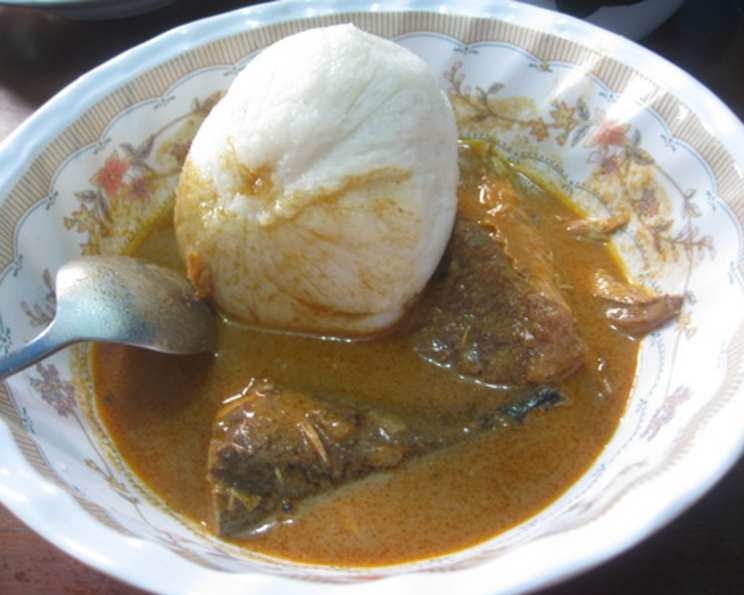
African Rice Balls: A Taste of Simplicity
The first time I encountered these simple rice balls was at a bustling street food market in Accra. The air buzzed with the scent of spices, grilling meat, and the rhythmic clatter of vendors preparing their specialties. Amidst the sensory overload, a small stall offered unassuming orbs of rice, subtly fragrant and remarkably satisfying. I remember being surprised by how such a humble dish could be so deeply comforting, a testament to the power of simple, well-prepared ingredients. Since then, I’ve returned to this recipe time and again, using it as a blank canvas for countless flavor combinations, always remembering that initial taste of home-style cooking.
Recipe Overview
- Prep Time: 5 minutes
- Cook Time: 10 minutes
- Total Time: 15 minutes
- Servings: 4
- Dietary Type: Vegetarian, Gluten-Free
Ingredients
- 1 1/2 cups basmati rice, rinsed
- 3 cups water
Equipment Needed
- Medium saucepan
- Wooden spoon
- Clean cloth or large serving spoons
Instructions
-
In a medium saucepan, bring the water to a vigorous boil over high heat.
-
Add the rinsed basmati rice to the boiling water.
-
Reduce the heat to low, cover the saucepan tightly, and simmer for exactly 10 minutes, or until the rice is really soft and has absorbed all the water. It’s crucial to keep the lid on during the simmering process to ensure even cooking and prevent the rice from drying out.
-
Remove the saucepan from the heat and let it sit, covered, for a few minutes to allow any residual moisture to be absorbed.
-
With a wooden spoon, thoroughly mash the rice until it sticks together cohesively. This is a critical step for forming the rice balls; the mashed rice acts as a binder. Don’t be afraid to put some muscle into it!
-
Divide the mashed rice into four equal portions.
-
Using a clean cloth to protect your hands from the heat, or using two large serving spoons, gently mould each portion into a ball. The cloth helps prevent the rice from sticking to your hands and allows you to shape the balls more easily. Alternatively, wet your hands slightly to prevent sticking.
Expert Tips & Tricks
- Rice Selection: While basmati rice is recommended, other short-grain rice varieties can work as well, such as sushi rice or Arborio rice. The key is to use a rice that becomes sticky when cooked.
- Mashing Technique: The thoroughness of the mashing is paramount to the success of the rice balls. If the rice isn’t mashed enough, the balls will fall apart. Continue mashing until the rice forms a smooth, cohesive mass.
- Flavor Infusion: Consider adding a pinch of salt to the water while cooking the rice to enhance its flavor. You can also experiment with adding spices like turmeric, cumin, or ginger for a more complex flavor profile.
- Preventing Sticking: If you find the rice is sticking to your hands or spoons, lightly oiling them can help. Use a neutral-flavored oil like vegetable or canola oil.
- Even Cooking: To ensure even cooking, use a saucepan with a heavy bottom. This will help distribute the heat evenly and prevent the rice from burning.
- Make-Ahead Tip: The rice can be cooked ahead of time and stored in the refrigerator. When ready to form the balls, simply reheat the rice slightly and proceed with the mashing and shaping steps.
Serving & Storage Suggestions
These African rice balls are incredibly versatile and can be served in a multitude of ways. Traditionally, they are often served alongside stews, soups, or grilled meats, acting as a neutral base to complement the richer flavors of the accompanying dishes. They can also be enjoyed as a simple snack or side dish.
For storage, leftover rice balls should be stored in an airtight container in the refrigerator. They will keep for up to 3 days. To reheat, you can microwave them briefly, steam them, or pan-fry them for a slightly crispy exterior.
Nutritional Information
| Nutrient | Amount per Serving | % Daily Value |
|---|---|---|
| Calories | 257 kcal | 13% |
| Total Fat | 1 g | 1% |
| Saturated Fat | 0 g | 0% |
| Cholesterol | 0 mg | 0% |
| Sodium | 10 mg | 0% |
| Total Carbohydrate | 54 g | 18% |
| Dietary Fiber | 2 g | 7% |
| Sugars | 1 g | 2% |
| Protein | 6 g | 12% |
Note: Nutritional information is an estimate and can vary based on specific ingredients and portion sizes.
Variations & Substitutions
- Spiced Rice Balls: Add a teaspoon of curry powder, ginger, or garlic powder to the rice while it’s cooking for an extra layer of flavor.
- Herbaceous Rice Balls: Mix in finely chopped fresh herbs like parsley, cilantro, or thyme after the rice is cooked.
- Vegetable Rice Balls: Incorporate small pieces of cooked vegetables like carrots, peas, or corn into the rice mixture before forming the balls.
- Fried Rice Balls: Coat the rice balls in breadcrumbs and pan-fry them until golden brown and crispy.
- Gluten-Free Variation: This recipe is naturally gluten-free, as it uses only rice and water. Ensure that any added ingredients, such as spices, are also gluten-free if you have a gluten intolerance.
- Savory Filling: Experiment by pressing a small cube of cheese, cooked vegetables, or spiced meat into the center of each rice ball before shaping.
- Coconut Rice Balls: Replace half of the water with coconut milk for a richer, sweeter flavor.
- Brown Rice: Substitute basmati rice with brown rice for a nuttier flavor and increased fiber content, but remember brown rice requires a longer cooking time. Adjust the water and cooking time according to the brown rice package instructions.
FAQs (Frequently Asked Questions)
Q: Can I use regular white rice instead of basmati rice?
A: While basmati rice is preferred for its aroma and texture, you can use other types of white rice. Just ensure it’s a variety that becomes sticky when cooked, such as short-grain or medium-grain rice.
Q: How do I prevent the rice balls from falling apart?
A: Thoroughly mashing the rice is crucial for binding the rice balls together. Ensure the rice is very soft and sticky before forming the balls. Also, be gentle when shaping them.
Q: Can I add salt to the rice while it’s cooking?
A: Absolutely! Adding a pinch of salt to the water while cooking the rice enhances its flavor.
Q: How can I make these rice balls more flavorful?
A: Experiment with adding spices, herbs, or cooked vegetables to the rice mixture. The possibilities are endless!
Q: Are these rice balls suitable for freezing?
A: Yes, you can freeze these rice balls for longer storage. Wrap them individually in plastic wrap and store them in an airtight container in the freezer. Thaw them completely before reheating.
Final Thoughts
These simple African rice balls are more than just a recipe; they’re a blank canvas for your culinary creativity. Don’t be afraid to experiment with different flavors, textures, and serving suggestions. Whether you’re seeking a comforting side dish or a quick and easy snack, these rice balls are sure to satisfy. So, gather your ingredients, embrace the simplicity of the process, and let your imagination guide you. And when you’ve mastered this basic recipe, I encourage you to share your own unique variations and feedback. Happy cooking!