
The Art of Basterma: Crafting Armenia’s Cured Beef Delicacy
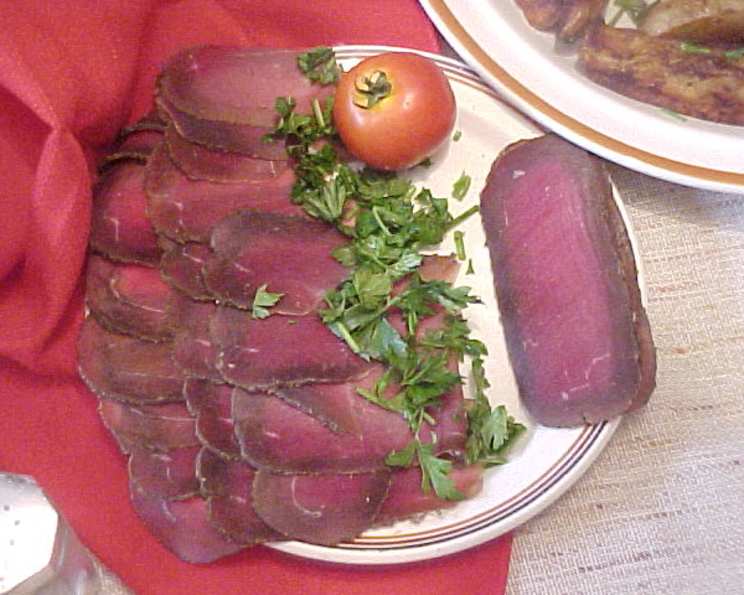
The first time I tasted Basterma, I was visiting my grandmother’s village in Armenia. The air was crisp, the sun warm, and the scent of spices hung heavy in the air. My aunt brought out a platter, and there it was: thinly sliced, deep red, almost translucent pieces of beef coated in a vibrant, earthy paste. The first bite was an explosion – a savory, spicy, almost fermented flavor that danced on my tongue. It was unlike anything I had ever tasted, and I knew instantly I was experiencing something truly special, a culinary heritage passed down through generations.
Recipe Overview
- Prep Time: 792 hours (approximately 33 days)
- Cook Time: 0 minutes
- Total Time: 792 hours (approximately 33 days)
- Servings: 12
- Yield: 2 pounds
- Dietary Type: High-Protein
Ingredients
- 1 slice beef (about 2 lbs.), preferably from the rib part
- 1/4 cup bagged granulated salt
Chairnen Mixture:
- 3 tablespoons chaimen
- 2 tablespoons paprika
- 1/2 teaspoon red pepper (optional, for extra heat)
- 1/2 teaspoon salt
- 1/2 tablespoon black pepper
- 1/2 tablespoon kimion (cumin)
- 1/2 teaspoon allspice
- 3-4 garlic cloves, crushed
- 1 cup water
Equipment Needed
- Heavy string
- Refrigerator
- Towels
- Cool, airy place for drying
- Cheesecloth casing (optional)
Instructions
- Select a very tender cut of beef from the rib part, about one and a half inches thick, and approximately 8 inches in length (or any length you desire). The quality of the beef will directly impact the final product, so choose wisely.
- Insert a heavy string through one end of the beef and make a loop. This will be used for hanging the meat during the drying process. Ensure the loop is secure.
- Rub the beef thoroughly with the bagged granulated salt. This salting process is crucial for drawing out moisture and inhibiting bacterial growth.
- Place the salted beef in the refrigerator for 3 days. Place a heavy item on top of the meat to help press out excess moisture. Turn the meat once a day to ensure even salting.
- After 3 days, wash the beef well with cold water to remove the excess salt.
- Leave the beef in clear water for one hour. This helps to further desalinate the meat.
- Drain the beef and press it firmly between towels to remove as much moisture as possible. Repeat this process until the meat is quite dry.
- Hang the beef in a cool, airy place to dry for about two weeks. Proper air circulation is key to preventing mold growth and ensuring even drying. Ideally, the temperature should be around 60-70°F (15-21°C).
- While the beef is drying, prepare the chairnen mixture. In a bowl, combine the chaimen, paprika, red pepper (if using), salt, black pepper, kimion (cumin), allspice, and crushed garlic cloves.
- Add water a little at a time to the spice mixture, mixing until you achieve a thick paste. The consistency should be similar to that of a thick mud – spreadable but not runny.
- After the beef has dried for two weeks, soak the meat in the chairnen paste for 2 weeks. Ensure the entire surface of the beef is completely covered with the mixture.
- Hang the beef, now coated in the chairnen, in an airy place for two more weeks. This final drying period allows the flavors of the chairnen to fully penetrate the meat and further dry the outer layer, creating the characteristic Basterma texture.
- After the final two weeks of drying, the Basterma may be used immediately, refrigerated, or frozen for later use.
- (Optional) A cheesecloth casing may be used to slip the meat into before hanging, which provides an extra layer of protection against insects and helps maintain the shape of the meat.
Expert Tips & Tricks
- Selecting the Beef: Opt for a cut with good marbling, as this will add flavor and moisture to the final product. A ribeye or sirloin tip is a good choice.
- Controlling Mold: Monitor the drying process closely. If you see any signs of mold, wipe it off immediately with a cloth dipped in vinegar. Proper air circulation is crucial to prevent mold growth.
- Achieving the Right Thickness of Chairnen: The thickness of the chairnen paste is important. If it’s too thin, it will run off the meat; if it’s too thick, it will not adhere properly. Adjust the amount of water accordingly.
- Adjusting the Spice Level: The amount of red pepper can be adjusted to your preference. If you prefer a milder flavor, omit the red pepper entirely.
- Proper Drying Environment: Finding the right drying environment can be challenging. Avoid direct sunlight, which can dry the meat too quickly and cause it to harden. A cool, dark, well-ventilated space is ideal. A basement or pantry often works well.
- To prevent the chairnen paste from cracking, you can brush the basterma with a thin layer of olive oil every few days during the final drying stage.
Serving & Storage Suggestions
Serve Basterma very thinly sliced, as humanly possible. This is best achieved with a very sharp knife or a meat slicer. Basterma is a wonderful appetizer or snack, traditionally served with pita bread, Armenian string cheese, and fresh vegetables like radishes and cucumbers. It is also delicious in sandwiches or as a topping for salads.
To store, wrap the Basterma tightly in plastic wrap and refrigerate. It will keep for several weeks in the refrigerator. For longer storage, freeze the Basterma. Thaw it in the refrigerator before slicing and serving.
Nutritional Information
| Nutrient | Amount per Serving | % Daily Value |
|---|---|---|
| Calories | 5.3 kcal | N/A |
| Calories from Fat | 1 g | 29% |
| Total Fat | 0.2 g | 0% |
| Saturated Fat | 0 g | 0% |
| Cholesterol | 0 mg | 0% |
| Sodium | 2455.8 mg | 102% |
| Total Carbohydrate | 1.1 g | 0% |
| Dietary Fiber | 0.5 g | 2% |
| Sugars | 0.1 g | 0% |
| Protein | 0.2 g | 0% |
Variations & Substitutions
- Spice Variations: Experiment with different spices in the chairnen mixture. Smoked paprika, coriander, or even a touch of cinnamon can add interesting flavor notes.
- Beef Cut Alternatives: While ribeye is recommended, you can also use other lean cuts of beef, such as top round or eye of round. Just be sure to trim off any excess fat.
- Chairnen without Chaimen: Chaimen is a key ingredient, but if unavailable, you can try substituting it with a mixture of fenugreek, cumin, and coriander powder. It won’t be exactly the same, but it will provide a similar flavor profile.
- Vegan Basterma: Although not authentic, portobello mushrooms can be marinated and dried using similar spices for a plant-based version.
FAQs (Frequently Asked Questions)
Q: Why does the Basterma take so long to make?
A: The long drying and curing process is essential for developing the characteristic flavor and texture of Basterma. It allows the salt and spices to fully penetrate the meat and inhibits the growth of harmful bacteria.
Q: How do I know when the Basterma is dry enough?
A: The Basterma should be firm to the touch and have a slightly leathery texture. The chairnen paste should be dry and hardened.
Q: Can I speed up the drying process?
A: While you can use a dehydrator on a very low setting, it’s not recommended. The slow, natural drying process is crucial for developing the best flavor and texture.
Q: What if I don’t have a cool, airy place to dry the Basterma?
A: You can use a well-ventilated refrigerator, but be sure to monitor it closely for mold growth.
Q: Is it safe to eat Basterma raw?
A: Yes, Basterma is a cured meat, and the curing process makes it safe to eat raw. However, it is important to ensure that the meat is properly dried and stored to prevent bacterial growth.
Final Thoughts
Making Basterma is a labor of love, a journey into the heart of Armenian culinary tradition. It requires patience and attention to detail, but the reward is a truly unique and unforgettable flavor experience. Don’t be intimidated by the lengthy process – each step is essential for creating this exquisite delicacy. I encourage you to try this recipe and share the fruits of your labor with friends and family. Serve it with a glass of Armenian wine or strong black coffee for an authentic and memorable experience. I’m confident that you’ll love this preserved delicacy.