
The Best Lemon Cheesecake Ever (Sour Cream Cheesecake)
I’ll never forget the first time I tasted a proper lemon cheesecake. It was at my grandmother’s house, during a sweltering summer afternoon. The tartness of the lemon, the creamy richness of the filling, and the comforting crumble of the graham cracker crust… it was a revelation. Since then, I’ve spent countless hours perfecting my own version, striving to capture that same balance of flavors and textures. This recipe, honed over years of experimentation, is as close as I’ve come to recreating that unforgettable bite of sunshine.
Recipe Overview
- Prep Time: 30 minutes
- Cook Time: 47 minutes
- Total Time: Overnight
- Servings: 15
- Yield: 1 large cheesecake
- Dietary Type: Not Gluten-Free
Ingredients
For the Crust:
- 2 1⁄4 cups graham cracker crumbs
- 6 tablespoons butter, melted
- 1⁄4 cup brown sugar
- 1 1⁄2 teaspoons cinnamon
For the Filling:
- 3 (8 ounce) packages cream cheese, softened (softened for at least 8 hours)
- 3 eggs
- 3⁄4 cup sugar
- 3 tablespoons lemon juice, strained
- 2 tablespoons flour
- 2 teaspoons vanilla extract, divided
- 1 teaspoon lemon zest, finely grated
- 1 pint sour cream
- 3 tablespoons sugar
For the Glaze:
- 1⁄2 cup sugar
- 4 teaspoons cornstarch
- 1⁄2 cup water
- 2 tablespoons lemon juice
Equipment Needed
- 11-12 inch springform pan
- Mixing bowls
- Electric mixer
- Measuring cups and spoons
- Rubber spatula
- Cooling rack
- Saucepan
Instructions
-
Preheat your oven to 350°F (175°C). It’s crucial to have the oven at the right temperature for even baking.
-
Prepare the crust: In a mixing bowl, combine the graham cracker crumbs, melted butter, brown sugar, and cinnamon. Use your hands or the back of a spoon to mix everything until well combined and the mixture resembles wet sand.
-
Press the crust into the bottom of an 11- to 12-inch springform pan. Ensure it’s evenly distributed and firmly packed. This will create a stable base for the cheesecake.
-
Bake the crust for 5 minutes. This short bake helps to set the crust and prevent it from becoming soggy.
-
Cool the crust completely. Then, refrigerate it until needed. This helps it firm up and makes it easier to pour the filling in.
-
Make the filling: In a large bowl, using an electric mixer, beat the softened cream cheese at high speed until completely smooth. This is a critical step – any lumps in the cream cheese will result in a lumpy cheesecake. Be patient and keep beating until it’s perfectly creamy.
-
Add the eggs one at a time, beating until smooth after each addition. Avoid overmixing at this stage, as it can incorporate too much air and cause the cheesecake to crack.
-
Gradually add the sugar, then the flour, and strained lemon juice. Beat at medium speed until well blended. The flour helps to stabilize the cheesecake and prevents it from sinking in the middle.
-
Stir in the lemon zest and 1 teaspoon of the vanilla extract. The lemon zest adds a bright, aromatic flavor to the cheesecake.
-
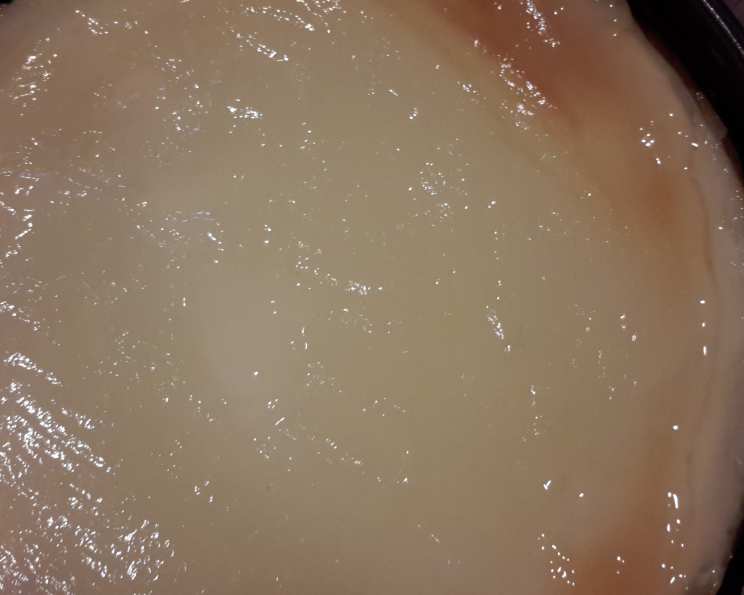
Pour the filling into the prepared crust. Gently smooth the surface with a spatula.
-
Bake the cheesecake at 350°F (175°C) for 35 minutes. The cheesecake should be set around the edges but still have a slight jiggle in the center.
-
Prepare the sour cream topping: While the cheesecake is baking, blend the sour cream with the remaining 1 teaspoon vanilla extract and 3 tablespoons sugar. Set the mixture in a warm place to slightly thin it out.
-
Spread the sour cream topping: Remove the cheesecake from the oven and gently spread the sour cream mixture evenly over the top.
-
Return the cheesecake to the oven and bake for another 12 minutes. The sour cream topping should be set and slightly golden.
-
Cool the cheesecake on a rack for 30 minutes. This allows it to cool gradually and prevents cracking.
-
Refrigerate the cheesecake until the topping is cool but not completely chilled.
-
Make the glaze: In a saucepan, combine the sugar, cornstarch, water, and lemon juice.
-
Bring the glaze to a boil, stirring constantly until thickened (about 3 minutes). The glaze should be clear and glossy.
-
Chill the glaze until cool, but not set.
-
Spread the glaze evenly on top of the cheesecake.
-
Chill the cheesecake overnight. This is crucial for the flavors to meld and the cheesecake to set properly.
Expert Tips & Tricks
- Softening the cream cheese: Make sure your cream cheese is properly softened. Leaving it out at room temperature for at least 8 hours is ideal. This will prevent lumps in the filling.
- Don’t overbake: Overbaking will cause the cheesecake to crack. It should still have a slight jiggle in the center when you take it out of the oven.
- Water bath (optional): For an even creamier texture and to minimize cracking, you can bake the cheesecake in a water bath. Wrap the bottom of the springform pan in aluminum foil and place it in a larger pan. Fill the outer pan with hot water, reaching about halfway up the sides of the springform pan.
- Crust variations: You can use different types of cookies for the crust, such as chocolate wafers or digestive biscuits.
- Lemon intensity: Adjust the amount of lemon juice and zest to your liking. If you prefer a more intense lemon flavor, add a little more of each.
- Preventing a soggy crust: Brushing the crust with a thin layer of melted white chocolate before adding the filling can help prevent a soggy crust.
Serving & Storage Suggestions
Serve the cheesecake chilled, straight from the refrigerator. You can garnish it with fresh berries, a dusting of powdered sugar, or a few lemon slices.
Leftover cheesecake can be stored in the refrigerator for up to 5 days. Cover it tightly with plastic wrap to prevent it from drying out. You can also freeze the cheesecake for up to 2 months. Thaw it overnight in the refrigerator before serving. Cheesecake is best enjoyed cold, and the texture may change slightly after freezing.
Nutritional Information
| Nutrient | Amount per Serving | % Daily Value |
|---|---|---|
| Calories | 430.8 kcal | N/A |
| Calories from Fat | 262 g | 61% |
| Total Fat | 29.1 g | 44% |
| Saturated Fat | 17.4 g | 86% |
| Cholesterol | 117.9 mg | 39% |
| Sodium | 275.3 mg | 11% |
| Total Carbohydrate | 37.2 g | 12% |
| Dietary Fiber | 0.6 g | 2% |
| Sugars | 27 g | 108% |
| Protein | 6.7 g | 13% |
Variations & Substitutions
- Gluten-Free: Use gluten-free graham crackers for the crust.
- Dairy-Free: While challenging, you could attempt using dairy-free cream cheese alternatives and vegan sour cream. However, the texture and flavor will be significantly different.
- Berry Swirl: Before baking, swirl in some berry jam or compote for a beautiful and flavorful twist.
- Lime Cheesecake: Substitute lemon juice and zest with lime juice and zest for a lime-flavored cheesecake.
- Orange Cheesecake: Substitute lemon juice and zest with orange juice and zest for an orange-flavored cheesecake.
- Chocolate Swirl Cheesecake: Add melted chocolate to a portion of the batter and swirl it into the cheesecake before baking.
FAQs (Frequently Asked Questions)
Q: Why did my cheesecake crack?
A: Cheesecakes often crack due to rapid temperature changes or overbaking. Baking it in a water bath can help prevent this, as can ensuring the cream cheese is thoroughly softened. Avoid opening the oven door frequently during baking.
Q: Can I use regular sugar instead of brown sugar in the crust?
A: Yes, you can substitute regular granulated sugar for brown sugar in the crust, but the brown sugar adds a richer, more caramel-like flavor.
Q: How do I know when the cheesecake is done?
A: The cheesecake is done when the edges are set and the center still has a slight jiggle. It will continue to set as it cools.
Q: Can I make this cheesecake ahead of time?
A: Absolutely! In fact, it’s best to make the cheesecake a day in advance to allow the flavors to meld and the texture to fully set.
Q: What if I don’t have a springform pan?
A: While a springform pan is ideal, you can use a regular cake pan. Line it with parchment paper, leaving an overhang to help lift the cheesecake out after baking.
Final Thoughts
This Lemon Sour Cream Cheesecake is more than just a dessert; it’s an experience. The bright, tangy lemon perfectly complements the rich, creamy filling, creating a symphony of flavors that will tantalize your taste buds. Don’t be intimidated by the seemingly lengthy instructions – each step is straightforward, and the end result is well worth the effort. I encourage you to try this recipe and share your own lemon cheesecake memories with your loved ones. And please, don’t hesitate to let me know how it turns out for you – your feedback is always greatly appreciated! This cheesecake pairs wonderfully with a crisp glass of white wine or a cup of strong, black coffee. Enjoy!