
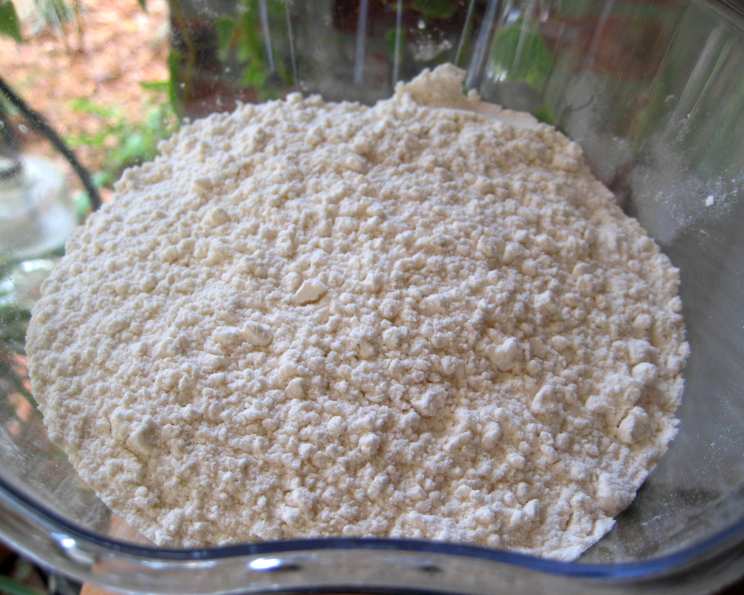
The Baker’s Secret: Homemade Cake Flour Substitute
I’ll never forget my first attempt at baking a delicate angel food cake. Armed with a brand-new recipe and a hopeful heart, I meticulously followed every instruction. But alas, the cake emerged from the oven dense and chewy, far from the ethereal cloud I had envisioned. The culprit? I soon realized I had used all-purpose flour instead of cake flour. Since then, I’ve learned a valuable lesson: cake flour is essential for certain recipes. And I’ve also learned a fantastic trick for when I don’t have any on hand!
Recipe Overview
- Prep Time: 2 minutes
- Yields: 2 cups
- Dietary Type: Vegetarian, Vegan
Ingredients
- 1 ¾ cups all-purpose flour
- ¼ cup cornstarch
Equipment Needed
- Measuring cups
- Leveling tool (such as a knife or spatula)
Instructions
- To create a cake flour substitute that yields two cups, you’ll need 1 ¾ cups of all-purpose flour and ¼ cup of cornstarch.
- Combine the all-purpose flour and cornstarch thoroughly. A simple way to measure this is to place 2 tablespoons of cornstarch at the bottom of a 1-cup measuring cup.
- Then, fill the remainder of the cup with all-purpose flour, ensuring the top is level. Use a knife or other flat edge to level the flour for accurate measurement.
- Repeat this process to obtain your two cups of the cake flour substitute. This ensures the ratio of flour to cornstarch remains correct, which is vital for the recipe’s success.
- If you only require ½ cup of cake flour, place 1 tablespoon of cornstarch at the bottom of a ½ cup measuring cup, then fill and level as above.
Expert Tips & Tricks
- Sifting is Key: For the best results, sift the all-purpose flour and cornstarch together a few times after combining them. This will ensure the cornstarch is evenly distributed and will aerate the mixture, mimicking the light and airy texture of commercial cake flour.
- Don’t Overmix: When using your cake flour substitute in a recipe, be careful not to overmix the batter. Overmixing develops gluten, which will result in a tougher cake. Mix just until the ingredients are combined.
- Measuring Matters: Accurate measuring is crucial in baking. Use dry measuring cups for the flour and cornstarch, and level them off carefully. Avoid scooping the flour directly from the bag, as this can compact it and lead to using too much. Spoon the flour into the measuring cup and then level it off.
- Adjust for Altitude: If you live at a high altitude, you may need to adjust your recipes when using a cake flour substitute. High altitude baking often requires less flour and more liquid. Consider reducing the amount of all-purpose flour slightly or adding a bit more liquid to the recipe.
- Experiment with Different Cornstarch: While regular cornstarch works perfectly well, you can experiment with other types of cornstarch for subtly different results. Potato starch, for example, can create an even lighter and more tender crumb.
- Make it in Bulk: If you frequently bake recipes calling for cake flour, consider making a larger batch of this substitute and storing it in an airtight container. This will save you time in the long run and ensure you always have some on hand. Just remember to whisk it well before each use, as the cornstarch may settle.
- Combine with Self-Rising Flour: If a recipe calls for self-rising cake flour, you will need to adjust the ingredients accordingly. You can make self-rising cake flour by combining the all-purpose flour, cornstarch, and baking powder. A general rule of thumb is to add 1 ½ teaspoons of baking powder and ½ teaspoon of salt per cup of flour.
Serving & Storage Suggestions
This cake flour substitute is best used immediately in your favorite baking recipes. It doesn’t require any special storage on its own. Once baked, store your cakes, cupcakes, or other baked goods according to the specific recipe instructions. Most cakes are best stored in an airtight container at room temperature to maintain their moisture. If you live in a humid environment, consider storing them in the refrigerator to prevent them from becoming sticky. Frosted cakes should always be stored in the refrigerator. Most cakes will last for 3-4 days when stored properly. Cakes can also be frozen for longer storage. Wrap the cake tightly in plastic wrap and then place it in a freezer-safe bag or container. Frozen cakes can last for 2-3 months. Thaw the cake overnight in the refrigerator before serving.
Nutritional Information
Note: Nutritional information is an estimate and can vary based on specific ingredients and serving sizes.
| Nutrient | Amount per Serving (approx. ¼ cup) | % Daily Value* |
|---|---|---|
| Calories | 100 kcal | 5% |
| Total Fat | 0g | 0% |
| Saturated Fat | 0g | 0% |
| Trans Fat | 0g | 0% |
| Cholesterol | 0mg | 0% |
| Sodium | 0mg | 0% |
| Total Carbohydrate | 23g | 8% |
| Dietary Fiber | 0g | 0% |
| Sugars | 0g | 0% |
| Protein | 2g | 4% |
| Vitamin D | 0mcg | 0% |
| Calcium | 0mg | 0% |
| Iron | 0mg | 0% |
| Potassium | 0mg | 0% |
- Percent Daily Values are based on a 2,000 calorie diet.
Variations & Substitutions
- Gluten-Free Cake Flour Substitute: For a gluten-free version, use a blend of gluten-free all-purpose flour (make sure it contains xanthan gum), tapioca starch, and potato starch in place of the all-purpose flour and cornstarch. A good ratio is 1 cup gluten-free all-purpose flour, 2 tablespoons tapioca starch, and 2 tablespoons potato starch for every cup of cake flour needed.
- Arrowroot Powder: In a pinch, arrowroot powder can be used instead of cornstarch. However, keep in mind that arrowroot powder has a slightly different texture and may produce a slightly different result in your baked goods. Use the same measurement as you would for cornstarch.
- Rice Flour: While not a direct substitute, a small amount of rice flour (about 1-2 tablespoons per cup of all-purpose flour) can be added to the all-purpose flour to create a slightly softer texture. This works best in combination with the cornstarch method.
- Experiment with Flavors: Consider adding a pinch of your favorite spice to the flour mixture. For example, a touch of nutmeg or cinnamon can add warmth to cakes and muffins.
FAQs (Frequently Asked Questions)
Q: Why is cornstarch used in this cake flour substitute?
A: Cornstarch helps to reduce the gluten content in the all-purpose flour, which results in a more tender and delicate crumb in your baked goods, mimicking the effect of store-bought cake flour.
Q: Can I use this substitute for any recipe that calls for cake flour?
A: Yes, this substitute is a great option for most recipes that require cake flour, such as cakes, cupcakes, muffins, and biscuits. However, keep in mind that results may vary slightly depending on the recipe.
Q: Does this substitute work for yeast breads?
A: This substitute is not recommended for yeast breads. The lower gluten content will not provide the necessary structure and chewiness for a good loaf of bread. Use all-purpose flour or bread flour for yeast breads.
Q: How does cake flour differ from all-purpose flour?
A: Cake flour has a lower protein content than all-purpose flour, which means it forms less gluten when mixed with liquids. This results in a more tender and delicate texture in baked goods.
Q: Can I make this substitute ahead of time?
A: Yes, you can mix the all-purpose flour and cornstarch together and store it in an airtight container until you’re ready to use it. Just be sure to whisk it well before measuring to ensure the cornstarch is evenly distributed.
Final Thoughts
Don’t let a missing ingredient stand between you and a delicious homemade treat! This simple cake flour substitute is a lifesaver when you’re in a pinch. It empowers you to bake with confidence, knowing you can achieve that perfect, tender crumb without a special trip to the store. So go ahead, dust off that cake recipe, and experience the joy of baking something truly special. And please, share your creations and experiences – your feedback is the sweetest ingredient of all!