
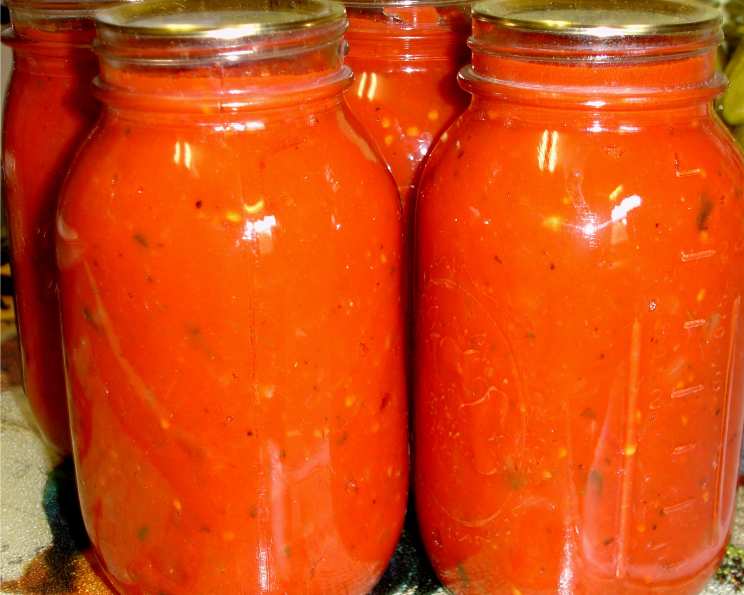
Big Batch Spaghetti Sauce: A Taste of Home
The scent of simmering tomatoes, garlic, and oregano instantly transports me back to my grandmother’s kitchen. Every summer, her garden overflowed with ripe, juicy tomatoes, which she transformed into a fragrant, bubbling elixir that filled the entire house. The hours spent stirring that enormous pot, the anticipation of the first taste on perfectly cooked spaghetti – those are memories I cherish, and this recipe is my attempt to recreate that magic.
Recipe Overview
- Prep Time: 30 minutes
- Cook Time: 2 hours
- Total Time: 2 hours 30 minutes
- Servings: 24-30
- Yield: About 12-15 cups
- Dietary Type: Vegan (naturally)
Ingredients
- 1/4 cup olive oil
- 3 medium onions, chopped
- 2 cloves garlic, minced
- 12 cups tomatoes, peeled, cored, and chopped (approximately)
- 3 (12 ounce) cans tomato paste
- 3 tablespoons brown sugar
- 1 tablespoon dried oregano
- 4 teaspoons salt
- 2 teaspoons dried basil
- 1 teaspoon dried black pepper
Equipment Needed
- Large stockpot or Dutch oven
- Knife
- Cutting board
- Spoon for stirring
- Freezer bags or airtight containers for storage, or canning equipment if you plan to can the sauce.
Instructions
-
Begin by heating the olive oil in a large stockpot or Dutch oven over medium heat. This will be your base for building layers of flavor.
-
Add the chopped onions and minced garlic to the pot. Sauté them until they become tender and translucent, about 5-7 minutes. Be careful not to burn the garlic, as it can turn bitter.
-
Now, add the peeled, cored, and chopped tomatoes to the pot. If you don’t have fresh tomatoes, you can substitute with two 28-ounce cans of crushed tomatoes, but fresh is best when available!
-
Stir in the three cans of tomato paste. This will add richness and body to the sauce. Make sure to thoroughly incorporate the paste into the tomatoes and onions.
-
Add the remaining ingredients: brown sugar, dried oregano, salt, dried basil, and dried black pepper. The brown sugar helps to balance the acidity of the tomatoes.
-
Increase the heat to medium-high and bring the sauce to a boil. Once boiling, reduce the heat to low.
-
Simmer, partially covered, for 2 hours, stirring occasionally to prevent sticking and scorching. The longer the sauce simmers, the more the flavors will meld together and deepen.
-
After simmering, allow the sauce to cool completely. This is crucial before freezing or canning.
-
To freeze: Divide the cooled sauce into freezer bags or airtight containers in increments that work best for your family. Label each bag with the date and contents.
To can: Process in a boiling water canner for 35 minutes, following proper canning procedures to ensure safety and prevent spoilage. -
When ready to use, thaw the frozen sauce in the refrigerator overnight or heat directly from frozen on the stovetop. For canned sauce, simply heat and serve.
-
Feel free to add your favorite ingredients during the last 30 minutes of simmering, such as sliced mushrooms, cooked and drained Italian sausage, ground beef, or even a splash of red wine.
-
This versatile sauce is fantastic for any Italian dish. Use it as a sauce for pasta, a base for lasagna, or even as a pizza sauce!
Expert Tips & Tricks
- Deepen the flavor: For an even richer flavor, roast the tomatoes in the oven before adding them to the sauce. Toss them with olive oil, salt, and pepper, and roast at 400°F (200°C) for about 30-40 minutes.
- Smooth texture: If you prefer a smoother sauce, use an immersion blender to puree it after simmering. Be careful when blending hot liquids!
- Adjust sweetness: Taste the sauce after simmering and adjust the amount of brown sugar to your liking. Some tomatoes are more acidic than others.
- Herb variations: Experiment with different herbs, such as thyme, rosemary, or bay leaf. Add them during the simmering process for the best flavor infusion. Remember to remove the bay leaf before serving.
- Spice it up: For a spicy kick, add a pinch of red pepper flakes or a dash of hot sauce.
Serving & Storage Suggestions
Serve this flavorful spaghetti sauce hot over your favorite pasta, such as spaghetti, penne, or rigatoni. Garnish with fresh basil, grated Parmesan cheese (or a vegan alternative), and a drizzle of olive oil.
Storage:
- Room Temperature: Do not store at room temperature.
- Refrigerator: Store cooled sauce in an airtight container in the refrigerator for up to 3-4 days.
- Freezer: Store cooled sauce in freezer bags or airtight containers for up to 3 months.
- Reheating: Reheat refrigerated sauce on the stovetop over medium heat until heated through. Reheat frozen sauce on the stovetop over low heat, stirring occasionally, until thawed and heated through.
Nutritional Information
| Nutrient | Amount per Serving | % Daily Value |
|---|---|---|
| Calories | 84 kcal | N/A |
| Calories from Fat | 23 kcal | N/A |
| Total Fat | 2.7g | 4% |
| Saturated Fat | 0.4g | 1% |
| Cholesterol | 0mg | 0% |
| Sodium | 731.9mg | 30% |
| Total Carbohydrate | 14.8g | 4% |
| Dietary Fiber | 3.2g | 12% |
| Sugars | 9.8g | N/A |
| Protein | 2.9g | 5% |
Note: Nutritional information is an estimate and may vary based on specific ingredients and portion sizes.
Variations & Substitutions
- Meat Lovers: Add browned ground beef, Italian sausage, or meatballs to the sauce during the last hour of simmering.
- Vegetarian Boost: Include finely chopped carrots, zucchini, or bell peppers for added nutrients and flavor.
- Spicy Arrabbiata: Add red pepper flakes to the sauce for a spicy kick.
- Creamy Tomato Sauce: Stir in a splash of heavy cream or coconut cream at the end of simmering for a richer, creamier sauce.
- Wine Infusion: Add a cup of red wine to the sauce after sautéing the onions and garlic. Allow the wine to reduce slightly before adding the tomatoes.
FAQs (Frequently Asked Questions)
Q: Can I use canned tomatoes instead of fresh tomatoes?
A: Yes, you can substitute with two 28-ounce cans of crushed tomatoes. However, using fresh tomatoes will result in a brighter, fresher flavor.
Q: How do I prevent the sauce from sticking to the bottom of the pot?
A: Stir the sauce occasionally, especially during the last hour of simmering. Using a heavy-bottomed pot can also help prevent sticking.
Q: Can I add other vegetables to the sauce?
A: Absolutely! Feel free to add chopped carrots, celery, bell peppers, or mushrooms. Sauté them with the onions and garlic before adding the tomatoes.
Q: How long can I store the sauce in the freezer?
A: The sauce can be stored in the freezer for up to 3 months without significant loss of quality.
Q: Can I make this sauce in a slow cooker?
A: Yes, you can! Sauté the onions and garlic on the stovetop, then transfer everything to a slow cooker. Cook on low for 6-8 hours, stirring occasionally.
Final Thoughts
Making a big batch of spaghetti sauce is more than just following a recipe; it’s about creating a comforting, flavorful foundation for countless meals. Whether you’re using garden-fresh tomatoes or relying on the convenience of canned, this recipe is a blank canvas for your culinary creativity. Gather your ingredients, embrace the process, and savor the delicious results. I hope this becomes a cherished tradition in your kitchen, just as it is in mine. I can’t wait to hear how you make it your own!