
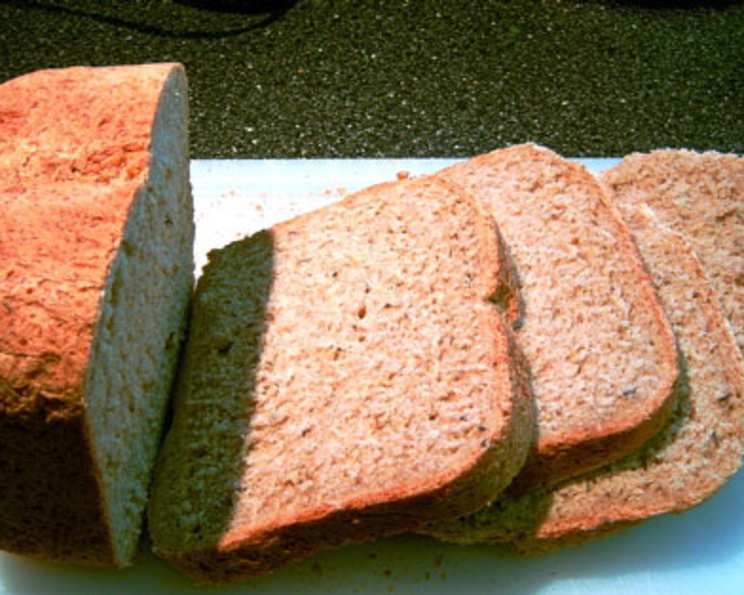
Bread Machine Swedish Limpa: A Taste of Home
I can almost smell it now: that warm, intoxicating aroma of anise and orange zest swirling through my grandmother’s kitchen. It was Christmastime, and snow was falling softly outside as she pulled a dark, crusty loaf of Swedish Limpa from her ancient bread machine. That subtly sweet, caraway-kissed bread wasn’t just food; it was a symbol of family, tradition, and the cozy warmth of the holidays. Every bite was a comforting journey back to childhood, and now, I’m delighted to share the magic of Swedish Limpa with you.
Recipe Overview
- Prep Time: 15 minutes
- Cook Time: 3 hours
- Total Time: 3 hours 15 minutes
- Servings: 12
- Yield: 1 1/2 pound loaf
- Dietary Type: Vegetarian
Ingredients
- 1 1/8 cups warm water
- 2 1/2 cups all-purpose flour
- 1 cup rye flour
- 1 teaspoon salt
- 1 tablespoon canola oil
- 1 tablespoon liquid honey
- 1 teaspoon caraway seed
- 1/2 teaspoon anise seed
- 1/2 teaspoon fennel seed
- 1 1/2 oranges, zest of
- 1 1/2 teaspoons active dry yeast
Equipment Needed
- Bread Machine
- Measuring cups and spoons
- Zester
- Cooling rack
Instructions
- Begin by adding the warm water to your bread machine pan. It’s important that the water is warm, not hot, to properly activate the yeast.
- Next, add the all-purpose flour and the rye flour to the bread machine pan. Make sure the flours are evenly distributed. The combination of all-purpose and rye gives the bread its characteristic texture and flavor.
- Add the salt, canola oil, liquid honey, caraway seed, anise seed, and fennel seed. These ingredients contribute to the unique flavor profile of Swedish Limpa. The honey adds a touch of sweetness, while the spices provide warmth and depth.
- Zest the oranges and add the zest to the bread machine pan. The orange zest adds a bright, citrusy note that complements the other flavors.
- Finally, sprinkle the active dry yeast over the top of the ingredients in the bread machine pan. Ensure the yeast is fresh for optimal rising.
- Follow your bread machine’s instructions for a basic bread cycle. This typically involves selecting the appropriate cycle (usually a white bread or sweet bread setting) and crust color.
- Keep a close eye on the dough during the kneading and mixing process. A good dough should form a nice, soft, round ball. This is a key indicator of the correct water-to-flour ratio.
- If the dough appears too floppy and wet, gradually add a small amount of all-purpose flour (about a tablespoon at a time) until it forms a proper ball.
- Conversely, if the dough seems too dry or the mixer is struggling, add a small amount of water (about a teaspoon at a time) until it reaches the desired consistency. This adjustment is crucial for achieving the perfect texture.
- Once the bread machine cycle is complete, carefully remove the loaf from the pan. Use oven mitts to protect your hands, as the pan will be hot.
- Place the loaf on a cooling rack and allow it to cool for at least one hour before slicing. This allows the bread to set properly and prevents it from becoming gummy.
- Slice and serve. Enjoy the taste of homemade Swedish Limpa!
Expert Tips & Tricks
- Spice it up: Feel free to adjust the amount of spices to your liking. If you prefer a stronger anise flavor, add a bit more anise seed.
- Orange enhancement: For an even more intense orange flavor, consider adding a tablespoon of orange juice along with the zest.
- Rye flour variations: Different types of rye flour (light, medium, dark) will affect the bread’s color and flavor. Experiment to find your favorite.
- Gluten development: While rye flour is essential for Limpa’s flavor, it can inhibit gluten development. Ensuring your all-purpose flour is a higher protein content (bread flour) can help improve the loaf’s structure.
- Dough rising in different environments: Keep in mind that the rising time can vary depending on the ambient temperature and humidity. If your kitchen is cold, the dough may take longer to rise.
- Make it ahead: You can prepare the dry ingredients in advance and store them in an airtight container. When you’re ready to bake, simply add the wet ingredients and yeast.
- Sticky situations: If the dough sticks to the bread machine pan, lightly grease the pan before adding the ingredients.
- Troubleshooting flat bread: If your bread is consistently flat, it could be due to old or inactive yeast. Always check the expiration date of your yeast before using it.
Serving & Storage Suggestions
Swedish Limpa is incredibly versatile. It’s delicious served warm with butter, or as part of a buffet spread. It pairs exceptionally well with Black Forest ham, Swiss cheese, or a creamy cheese spread. Leftovers can be stored at room temperature in an airtight container for up to 3 days. For longer storage, wrap the loaf tightly in plastic wrap and freeze it for up to 2 months. To reheat, thaw the bread completely and warm it in a low oven (around 300°F) for about 10-15 minutes. Slices can also be toasted.
Nutritional Information
| Nutrient | Amount per Serving | % Daily Value |
|---|---|---|
| Calories | 143.2 kcal | N/A |
| Calories from Fat | N/A | N/A |
| Total Fat | 1.6 g | 2% |
| Saturated Fat | 0.1 g | 0% |
| Cholesterol | 0 mg | 0% |
| Sodium | 195.4 mg | 8% |
| Total Carbohydrate | 28.3 g | 9% |
| Dietary Fiber | 2.2 g | 8% |
| Sugars | 1.6 g | N/A |
| Protein | 3.8 g | 7% |
Variations & Substitutions
- Gluten-free Limpa: While achieving the exact texture is difficult, you can experiment with gluten-free bread flour blends and add xanthan gum to improve binding. Note this will significantly change the bread.
- Spelt flour: Substitute some of the all-purpose flour with spelt flour for a slightly nutty flavor.
- Molasses: Replace the honey with molasses for a richer, darker flavor.
- Citrus variations: Try using lemon or grapefruit zest instead of orange zest for a different citrus note.
- Seed additions: Add sunflower seeds, pumpkin seeds, or flax seeds for added texture and nutritional value.
- Spice blend: Experiment with different spice combinations, such as cardamom, ginger, or cloves, to create your own unique Limpa flavor.
FAQs (Frequently Asked Questions)
Q: Can I make this recipe without a bread machine?
A: Yes, although it requires more hands-on effort. You can knead the dough by hand or with a stand mixer, let it rise, and then bake it in a conventional oven.
Q: Why is my Limpa bread so dense?
A: This could be due to several factors, including using old yeast, not kneading the dough enough, or using too much rye flour. Ensure your yeast is fresh, adjust the kneading time, and experiment with the flour ratio.
Q: How can I get a darker crust on my Limpa bread?
A: You can brush the loaf with milk or an egg wash before baking to promote browning. You can also add a tablespoon of brown sugar to the dough.
Q: Can I freeze Swedish Limpa bread?
A: Absolutely! Wrap the loaf tightly in plastic wrap and then in foil before freezing. It can be frozen for up to 2 months.
Q: Is rye flour essential for this recipe?
A: Yes, rye flour is what gives Swedish Limpa its distinctive flavor and texture. While you can experiment with small substitutions, it’s best to keep rye as a main component.
Final Thoughts
Now, armed with this recipe, I encourage you to try your hand at baking Swedish Limpa. Don’t be intimidated by the spices or the rye flour – the bread machine does most of the work! The aroma that will fill your kitchen as it bakes is a reward in itself. And who knows, maybe this bread will become a cherished tradition in your own family, a taste of home passed down through generations. Share your creations with loved ones, and let the warm, comforting flavors of Swedish Limpa bring a little bit of joy into their lives. Pair it with a hearty soup or a cup of hot coffee for the ultimate cozy experience. I’m eager to hear about your baking adventures and any personal twists you add to this classic recipe!